 0
0
 0
0
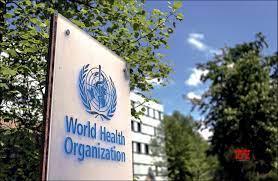
BUENOS AIRES — In a landmark shift for global public health, Argentina officially concluded its withdrawal from the World Health Organization (WHO) on March 17, 2026. The move, spearheaded by President Javier Milei, marks the completion of a year-long exit process and positions Argentina as the second major Western nation to leave the UN’s health body this year, trailing the United States’ departure in January.
Foreign Minister Pablo Quirno formalized the exit by notifying the United Nations Secretary-General, citing a strategic shift toward “health sovereignty.” While the administration insists that Argentina will remain a robust participant in international health through bilateral agreements, the decision has ignited a fierce debate among medical professionals regarding the future of pandemic preparedness and disease surveillance in South America.
The Path to “Health Sovereignty”
The seeds for this withdrawal were sown in February 2025, shortly after the reelection of Donald Trump in the United States and the subsequent U.S. announcement to pull funding and membership from the WHO. President Milei, a staunch libertarian, has been a vocal critic of the WHO’s handling of the COVID-19 pandemic, famously labeling global lockdown recommendations as “the greatest experiment in social control in history.”
According to the Milei administration, the WHO’s guidance during the 2020–2023 period was driven by political interests rather than objective science. By invoking the Vienna Convention on the Law of Treaties, which requires a one-year notice period, Argentina has now fully reclaimed its autonomy over national health policies.
“Argentina will continue to promote international cooperation in health through bilateral agreements and regional forums,” Foreign Minister Quirno stated via X (formerly Twitter). “We are fully preserving our capacity to make decisions regarding health policies that reflect our national reality.”
Financial and Institutional Impact
While Argentina’s annual contribution of approximately $8 million is modest compared to the WHO’s $6.9 billion budget, the symbolic weight of its departure is significant. The organization is already reeling from the loss of the United States, which previously provided 16% to 18% of its total funding.
However, Argentine officials have clarified that the country intends to remain a member of the Pan American Health Organization (PAHO). Because PAHO is a semi-autonomous body with its own governance and funding structures, Argentina may still maintain a regional safety net for managing local threats like Dengue and Zika virus.
Expert Perspectives: A Fragmented Front
The medical community remains deeply divided on the consequences of this isolationist trend. Many public health experts argue that infectious diseases do not recognize national borders, making a centralized global coordinator essential.
Dr. Michael Osterholm, Director of the University of Minnesota’s Center for Infectious Disease Research and Policy, has previously warned that such exits could lead to a “fragmented” global response. Analysts at the Buenos Aires Times echo this concern, noting that stepping outside the WHO framework could complicate the rapid exchange of genomic data during the next major outbreak.
“This is a multidimensional setback,” says Dr. María Belén Herrero, a prominent global health researcher. “By leaving the WHO, we lose a seat at the table where global health standards, vaccine distributions, and emergency protocols are established.”
Conversely, proponents of the move argue that the WHO’s “one-size-fits-all” approach failed during COVID-19. Presidential spokesperson Manuel Adorni emphasized that tailoring health responses to the specific economic and social needs of Argentines is a priority that was often hindered by international mandates.
What This Means for Public Health
For the average citizen, the immediate impact on daily healthcare may be negligible. Routine medical care, hospital services, and local vaccination programs remain under the jurisdiction of the Argentine Ministry of Health. However, the long-term implications involve three critical areas:
1. Disease Surveillance
The WHO manages the Global Influenza Surveillance and Response System (GISRS), which monitors flu strains to determine the composition of annual vaccines. While Argentina may gain access to this data through third parties or PAHO, it will no longer be a direct partner in this high-level exchange.
2. Emergency Resource Access
During global health emergencies—such as the recent Mpox or Avian Flu scares—the WHO coordinates the fair distribution of specialized therapeutics and vaccines. Argentina will now rely entirely on bilateral negotiations (country-to-country deals) to secure these resources, which could lead to higher costs or delays during a crisis.
3. Technical and Financial Aid
The WHO provides technical support for eradicating endemic diseases like Polio and Malaria. While Argentina has made great strides in these areas, the loss of WHO technical expertise may place a heavier burden on the national budget, which is already strained by high inflation.
Limitations and the Road Ahead
Critics of the withdrawal point out that Argentina’s current economic climate may make total self-reliance difficult. Unlike the United States, Argentina possesses less domestic infrastructure for large-scale vaccine manufacturing and independent global research.
Furthermore, there is a legal and social concern regarding isolation. A recent analysis by University College London (UCL) suggested that nations exiting multilateral bodies risk financial instability in their health sectors and reduced support for low-income populations.
However, the WHO itself has faced criticism for its delayed warnings regarding the origins of COVID-19 and its perceived susceptibility to influence from major powers. Argentina’s exit serves as a stark reminder of the growing demand for reform within international institutions.
Conclusion
Argentina’s departure from the WHO is more than a policy shift; it is a test of the “sovereignty-first” model in an interconnected world. Whether bilateral agreements can truly replace the collective security of a global health body remains to be seen. As the nation navigates this new path, the focus remains on whether localized control will lead to more agile health responses or leave the country vulnerable in the face of the next global pathogen.
References
-
Economic Times Health. “Argentina withdraws from World Health Organization.” March 17, 2026. [DOI/Link: economictimes.indiatimes.com]
Medical Disclaimer: This article is for informational purposes only and should not be considered medical advice. Always consult with qualified healthcare professionals before making any health-related decisions or changes to your treatment plan. The information presented here is based on current research and expert opinions, which may evolve as new evidence emerges.