 0
0
 0
0
June 8, 2025 — A growing body of scientific evidence is raising alarms about the amount of plastic humans may be ingesting—and the potential health consequences that come with it. According to recent research highlighted by SciTechDaily, microscopic plastic particles, known as microplastics, are increasingly being found in the food we eat and the water we drink.
Microplastics: An Invisible Threat
Microplastics are tiny fragments of plastic, often less than 5 millimeters in size, that originate from the breakdown of larger plastic debris or are manufactured for use in products like cosmetics and cleaning agents. These particles have been detected in a wide range of foods, including seafood, salt, honey, and even bottled water.
Health Risks Under Investigation
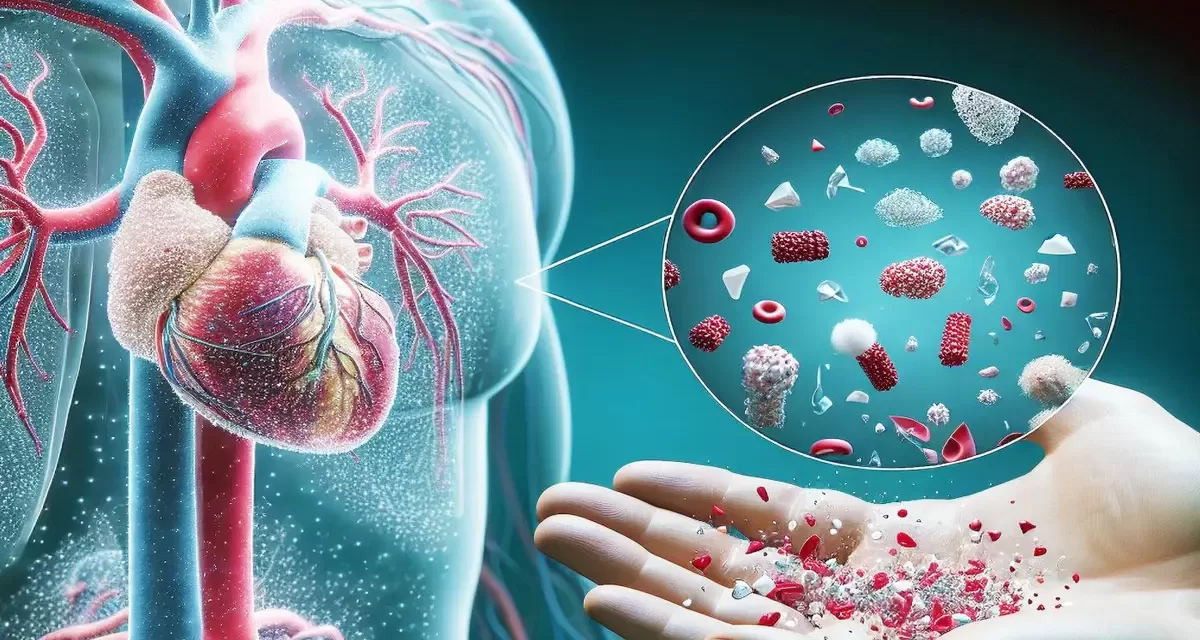
While the full impact of microplastic consumption on human health is still being studied, early research suggests potential risks. Some studies indicate that microplastics can carry harmful chemicals and may trigger inflammation or disrupt hormone function when ingested. Scientists are particularly concerned about the ability of these particles to penetrate human tissues and organs, potentially leading to long-term health effects.
What Can Be Done?
Experts recommend several steps to reduce microplastic exposure:
-
Minimize use of single-use plastics: Opt for reusable bags, bottles, and containers.
-
Choose fresh over packaged foods: Packaging is a common source of microplastic contamination.
-
Support policy changes: Advocate for stronger regulations on plastic production and waste management.
Looking Ahead
Researchers emphasize the need for further studies to fully understand the health implications of microplastic ingestion. In the meantime, public awareness and proactive measures can help limit exposure.
Disclaimer:
This article is based on information summarized from a SciTechDaily headline and general scientific knowledge as of June 2025. The full details of the referenced research were not directly accessible at the time of writing. For comprehensive information and specific health advice, please consult the original study and qualified health professionals.