 0
0
 0
0
The World Health Organization (WHO) has issued a stark warning about the accelerating risks posed by arboviral diseases in 2025. In a newly released clinical guidance, the WHO addresses four major mosquito- and tick-borne diseases: chikungunya, dengue, Zika, and yellow fever. This marks the first time a single resource provides comprehensive treatment recommendations for all four illnesses.
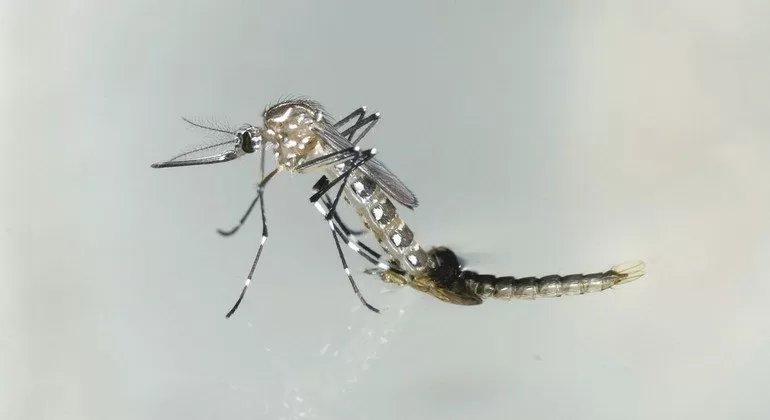
According to the WHO, arbovirus infections now threaten 5.6 billion people worldwide. The risk is no longer confined to traditional tropical and subtropical regions. The diseases are expanding into new areas where virus-carrying mosquitoes were previously rare, raising the possibility of outbreaks in regions unaccustomed to these threats.
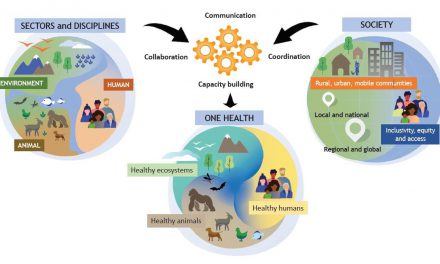
The organization stresses the need for an integrated approach to disease management. Early symptoms of these arboviral infections are often similar, making it difficult for clinicians to distinguish between them—especially in areas where diagnostic testing is limited. Complicating matters, multiple arboviruses can circulate at the same time in a given region, further challenging healthcare providers.
International travelers are particularly vulnerable, as many lack natural immunity and have not received recommended travel vaccines. The WHO highlights the importance of global risk maps to assess and monitor the evolving threat of arboviral diseases as they continue to spread beyond their historical boundaries.
“An integrated approach is vital, as these four diseases often present with similar symptoms, especially in the early stages of infection, and multiple arboviruses may circulate simultaneously in certain regions,” the WHO stated.
:
This article is based on information available as of July 11, 2025, and summarizes guidance and data from the World Health Organization and related health sources. It is intended for informational purposes only and should not be used as a substitute for professional medical advice, diagnosis, or treatment. For the latest recommendations and health guidance, consult your healthcare provider or official public health authorities.