 0
0
 0
0
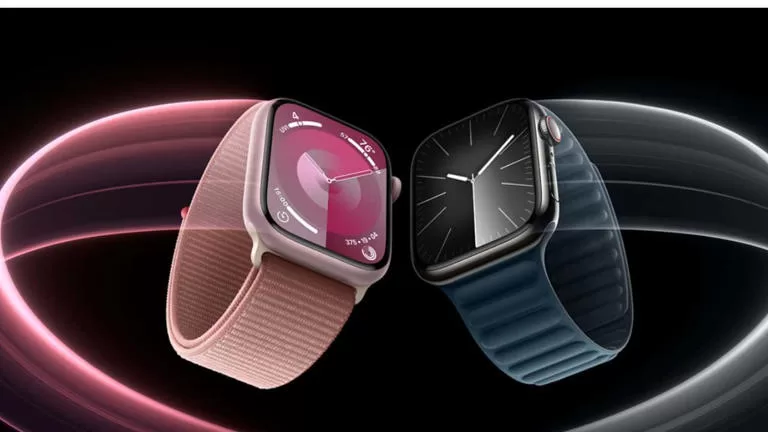
Apple unveiled the Apple Watch Series 11 and AirPods Pro 3 on September 9, 2025, introducing significant advancements in personal health tracking, including groundbreaking hypertension detection and in-ear heart rate monitoring, aiming to empower users and health professionals alike. The launch marks a pivotal moment as wearable technology moves further into proactive health management.
Key Findings and New Developments
The Apple Watch Series 11 debuts with several advanced health features, most notably the introduction of hypertension (chronic high blood pressure) notifications. Using an optical heart sensor and advanced machine learning, the watch passively monitors blood vessel responses over 30-day periods to detect patterns consistent with hypertension—a condition impacting roughly 1.3 billion adults worldwide and often going undiagnosed. The device also provides a comprehensive “sleep score,” improved durability, 5G connectivity, and up to 24 hours of battery life.
Meanwhile, the AirPods Pro 3 extend the scope of health monitoring into the audio space. The new earbuds integrate a custom photoplethysmography (PPG) heart rate sensor, enabling continuous heart rate and stress monitoring during workouts or throughout daily life. Health data syncs seamlessly with the Apple Health ecosystem, and the earbuds support new AI-powered features like live translation for real-time multilingual conversations.
Expert and Industry Perspectives
Dr. Sarah Goldstein, a cardiologist at the Cleveland Clinic not involved in the development of these products, commented, “Non-invasive tools that help detect hypertension earlier could empower individuals to seek medical care sooner and potentially reduce their risk for heart attack and stroke. However, the accuracy and clinical integration of any new technology should be validated in rigorous independent studies.”
Apple has emphasized the scientific basis behind these features, stating that the hypertension notification algorithm draws upon studies totaling over 100,000 participants and was validated in a clinical study. Nevertheless, the company encourages users to confirm any abnormal readings with traditional blood pressure cuffs and consult clinicians, reinforcing that the device serves as an aid, not a replacement for medical diagnostics.
Context and Background
Hypertension is often called the “silent killer” due to its asymptomatic nature. Without regular screenings, many people remain unaware of their risk. Current guidelines from organizations like the American Heart Association recommend routine blood pressure monitoring, but these advancements from Apple could make tracking much more accessible. Similarly, in-ear heart rate tracking reduces the dependence on chest straps or wrist-worn devices, providing users with more everyday health insights.
Wearable devices have steadily gained credibility as adjuncts to traditional healthcare. The Apple Watch’s existing features—such as ECG, irregular rhythm notifications, and fall detection—have resulted in research partnerships and real-world case reports of early disease detection. The extension into hypertension and stress monitoring via multiple form factors signals Apple’s deepening influence on digital health.
Public Health Implications
For consumers, these advancements offer the promise of catching critical cardiovascular risk factors earlier and integrating health monitoring into daily routines. Such features may help demystify personal health data, encourage proactive care, and foster better conversations with healthcare professionals. Apple’s new “Workout Buddy” experience in both devices, powered by on-device AI, aggregates individualized metrics—including heart rate, calories burned, and sleep patterns—to offer personalized coaching and insights.
However, experts caution that wearables should enhance, not replace, routine medical care. Over-reliance may foster unnecessary anxiety or the neglect of physician-based diagnosis and management. Users are urged to use these devices as supplementary tools.
Limitations and Counterarguments
Independent validation remains vital. While Apple’s data is promising, health tracking by consumer wearables can sometimes suffer from inaccuracies due to factors like skin tone, motion artifacts, and device placement. The hypertension notification, for example, analyzes vascular responses rather than direct blood pressure measurements. This distinction is important when interpreting results and making medical decisions.
Additionally, accessibility concerns persist, as the devices remain out of financial reach for some populations. Privacy and data security are also ongoing considerations, given the sensitivity of health information.
What This Means for Everyday Health Decisions