 0
0
 0
0
New Delhi, July 30, 2025 — An influential anti-vaping coalition, Mothers Against Vaping, has called on the Union Health Ministry to enact an immediate ban on nicotine pouches and gums in India, warning that these products are fueling a growing addiction trend among teenagers.
In formal appeals sent to both the Union Health Minister and the Central Drugs Standard Control Organisation (CDSCO), the group described nicotine pouches as a potential “next gateway” to addiction, comparing their risks to those posed by e-cigarettes and vapes. Citing rapid market growth and targeted marketing, the group emphasized the urgent need for regulatory action.
Mothers Against Vaping, a network of mothers campaigning against youth vaping, alleges multinational tobacco corporations are using pharmaceutical firms as front companies to seek backdoor access to the Indian market. The group pointed to a recent acquisition of an Indian pharma and nutraceutical company by a global tobacco MNC, which, it claims, has already applied for a license to sell nicotine pouches in India—an effort purportedly aimed at circumventing existing tobacco control laws.
According to the group, multinational companies are promoting nicotine pouches as a “safer alternative” to smoking, a narrative that has “misled many young people.” The group alleges that these corporations are manipulating scientific research and public policy to support the introduction and acceptance of their new-age nicotine products.
The anti-vaping lobby’s concerns echo those voiced by the World Health Organization (WHO). The WHO has repeatedly warned of “industry tactics to influence public health policies” and accused the tobacco industry of seeking a role in policymaking to lobby against effective health protections for young people.
Currently, Indian regulations permit sale of certain nicotine replacement therapy (NRT) products—such as gums, lozenges, strips, and patches—on a medically regulated basis. Under Schedule K of the Drugs Rules, 1945, gums containing up to 2mg of nicotine are exempt from prescription or sales license requirements. Mothers Against Vaping argues this regulatory gap is being exploited, allowing easy over-the-counter access to products that could pose harms—especially to teenagers.
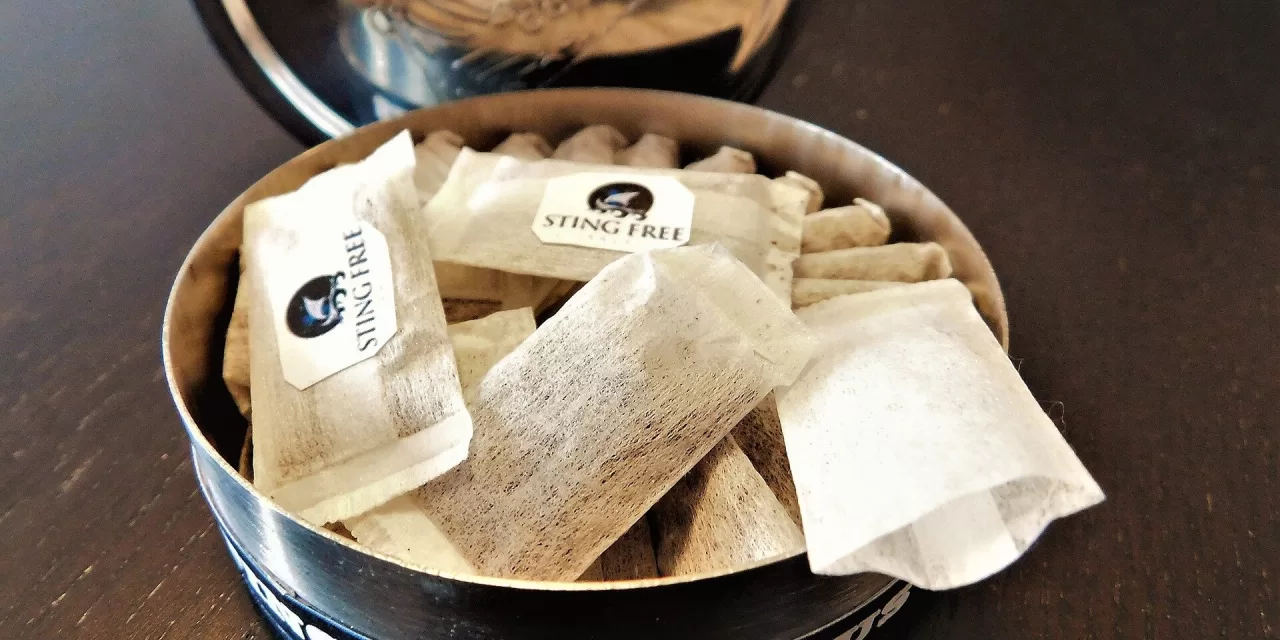
Nicotine pouches differ from traditional smokeless tobacco, containing nicotine powder or salts in small packets, most typically ranging from 1.5 to 8mg of nicotine, but sometimes up to 50mg per pouch—the equivalent of eight cigarettes. Notably, these products do not require spitting and are easy to use discreetly, raising additional concern.
“Makers of nicotine pouches are actively targeting impressionable teenagers through calculated marketing strategies—using modern packaging and flavors like mint, fruit, and bubblegum to make nicotine appear harmless and fun,” said Dr. Bhavna Barmi, a clinical psychologist and group member. “These sophisticated branding efforts are luring teens into experimentation and subsequent addiction.”
Health experts warn that early exposure to nicotine can profoundly impact adolescent physical and neurological development. Dr. Rajesh Gupta, Director of Pulmonology at Fortis Hospital and group member, explained: “Nicotine is a powerful chemical that can cause real, lasting damage, especially in developing bodies. It has been shown to alter brain development and, in teens, can result in higher heart rates, hypertension, headaches, nausea, and early cardiovascular symptoms. It can also weaken immune function and disrupt essential sleep.”
Both Dr. Barmi and Dr. Gupta emphasized that marketing nicotine pouches as “smokeless” or “tobacco-free” does not mean they are safe or risk-free. The group has asked for stronger public health messaging and more robust regulatory oversight to counter these narratives and protect Indian youth.
Mothers Against Vaping previously released a white paper, ‘Please Stop This,’ detailing the strategies being used to market these products worldwide and influence public policy, urging authorities to scrutinize lobbying efforts more closely.
Disclaimer: This report is based on information provided by Mothers Against Vaping and statements from medical professionals. The information herein reflects the views and claims of the group and selected health experts. Readers are advised to consult medical professionals and official regulatory sources for comprehensive advice and the latest updates on nicotine products and related health policies.