 0
0
 0
0
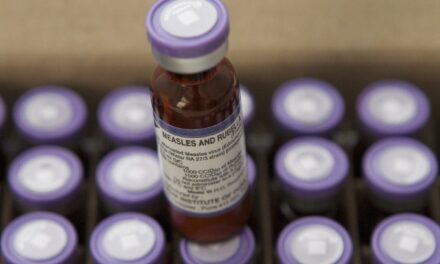
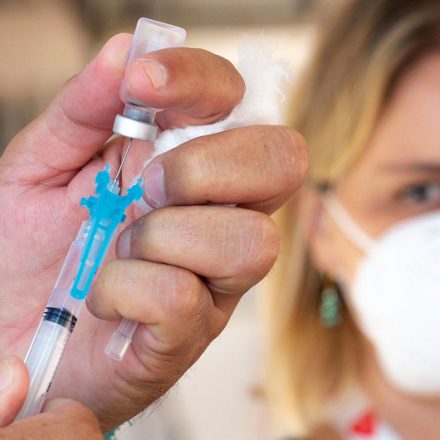
A recent nationwide survey has revealed that nearly 80% of public health facilities in India have anti-rabies vaccine (ARV) available, marking significant progress in the country’s fight against rabies. The study, conducted across 60 districts in 15 states, underscores both achievements and ongoing challenges in ensuring equitable access to life-saving rabies prevention measures.
The research, led by Dr. Manoj Murhekar and published in The Lancet, involved interviews with staff at 534 health facilities, of which 467 were public sector institutions. The findings show that ARV was available in 372 public sector health facilities (79.7%), with regional availability ranging from 60% to 93.2%. However, the lowest availability was observed in Urban Primary Healthcare Centres (UPHCs), where only 58.9% stocked the vaccine.
In contrast, the availability of rabies immunoglobulin (RIG)—a critical component for severe exposures—remains low, present in just 20.3% of public sector health facilities. The highest RIG availability was found in medical college hospitals, while UPHCs had as little as 1.8%.
The study also highlighted considerable geographic disparities. Southern states reported the highest ARV and RIG availability, while the northeast and eastern regions lagged behind. Nearly two-thirds of public facilities have adopted the cost-saving intradermal (ID) regimen for ARV administration, as recommended by the National Rabies Control Program, but adoption rates are lower in the east and northeast.
India has witnessed a 75% decline in dog-mediated human rabies deaths over the past two decades, attributed largely to improved ARV and RIG access. However, the authors stress that bridging the distribution gap—especially at the primary care level and in under-served regions—is essential to achieve the national goal of zero dog-mediated human rabies deaths by 2030.
The study calls for context-specific strategies to address supply chain and implementation challenges, particularly in regions where ARV and RIG availability remains inadequate. Expanding the use of the intradermal regimen and ensuring uninterrupted supply at all primary care facilities are among the recommendations to improve vaccine equity and reduce the burden of rabies across India.
“We found that nearly four-fifths of the public health facilities had anti-rabies vaccine,” said Dr. Manoj Murhekar, corresponding author of the study.
:
This article is based on findings from a recent nationwide survey and related research publications. The information provided reflects the availability of anti-rabies vaccine and immunoglobulin in public health facilities as of the study period. For individual medical advice or the most current information on rabies prevention and treatment, readers are advised to consult healthcare professionals or official public health sources.