 0
0
 0
0
In the wake of recent rabies-related deaths among children in Kerala, health authorities and medical experts are emphasizing that anti-rabies vaccination alone may not be enough to prevent the fatal disease, especially in cases involving deep bites from stray dogs.
The tragic case of Niya Faisal, a 7-year-old who succumbed to rabies despite receiving the full course of vaccination, has brought this issue into sharp focus. Niya became the third vaccinated child in Kerala to die from rabies in the past month, following similar deaths of a 12-year-old from Pathanamthitta and a six-year-old girl from Malappuram.
Doctors at SAT Hospital, where Niya was treated, explained that the location and depth of the bite are critical factors. If a dog bite penetrates deeply into an area rich in nerves—such as the face or hands in children—the rabies virus can travel rapidly through the nervous system, potentially reaching the brain before the vaccine-induced antibodies have time to act. “If a dog’s tooth directly pierces a nerve, the antibodies from the vaccine may not be able to neutralize the virus,” said Dr. S. Bindu, superintendent of SAT Hospital.
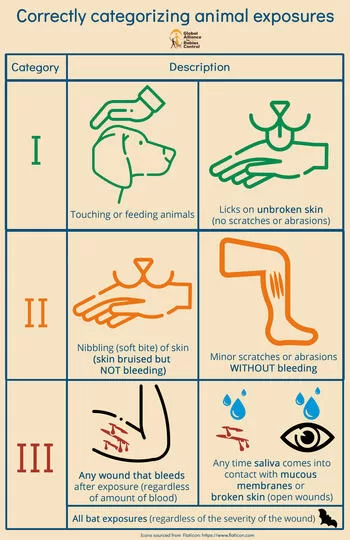
Medical guidelines recommend that for Category III exposures—which include single or multiple transdermal bites, licks on broken skin, or contamination of mucous membranes—Rabies Immunoglobulin (RIG) should be administered in addition to the anti-rabies vaccine. RIG provides immediate passive immunity by neutralizing the virus at the wound site, buying time for the body to generate its own antibodies in response to the vaccine.
However, there is a lack of awareness and adherence to these protocols. Many cases do not receive RIG as required, and delays or incomplete vaccination schedules further increase the risk. Experts highlight that proper wound management, including immediate washing with soap and water for at least 15 minutes, is also a critical first step in rabies prevention.
With the number of dog bite cases rising across India, health authorities are urging the public and healthcare providers to strictly follow the recommended protocols for post-exposure prophylaxis, especially in children who are more likely to suffer severe and nerve-rich bites.
“There are numerous challenges in the management and prevention of rabies, and the primary one is a lack of awareness of first-aid measures that need to be taken in case of a bite,” said Dr. Tushar Tayal, consultant at CK Birla Hospital, Gurugram.
Disclaimer:
This article is for informational purposes only and is not a substitute for professional medical advice, diagnosis, or treatment. Always seek the advice of your physician or other qualified health provider with any questions you may have regarding a medical condition.