 0
0
 0
0
Luanda, Angola – May 15, 2025
Angola’s Ministry of Health has confirmed a severe cholera outbreak in the country, reporting more than 20,000 cases since the beginning of January. The ongoing epidemic has claimed over 600 lives, underscoring the urgent public health challenge facing the nation.
According to the ministry’s daily status report released Tuesday, a total of 20,050 cholera cases have been documented, with 612 fatalities attributed to the disease. In the past 24 hours alone, 233 new cases and three deaths were recorded. The outbreak has predominantly affected Luanda province, home to the capital city, which accounts for approximately one-third of all reported infections.
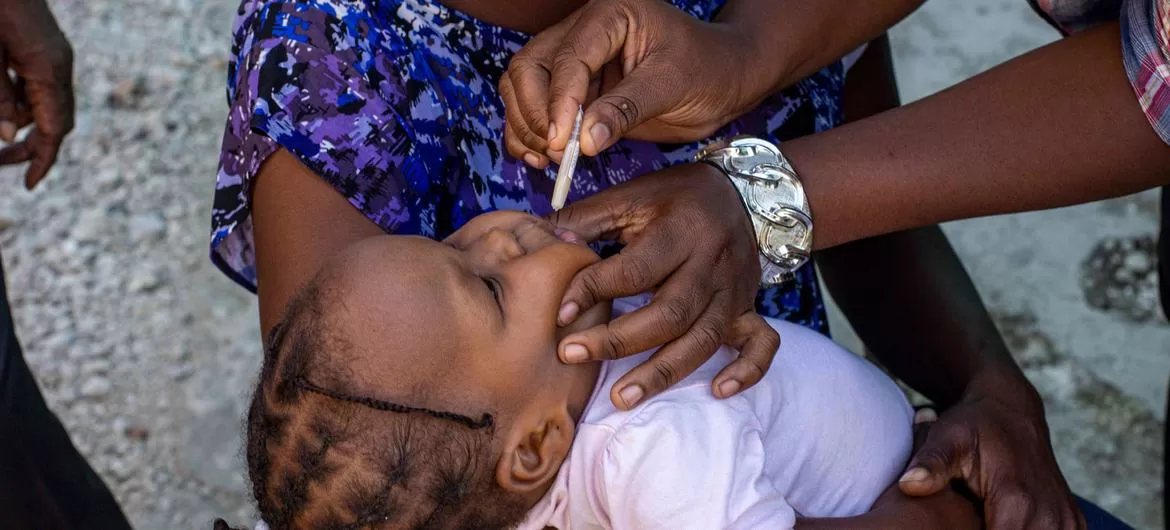
Cholera is an acute intestinal infection caused by consuming contaminated food or water. It leads to severe diarrhea, vomiting, and muscle cramps, and can result in death within hours if untreated. However, the disease is preventable and treatable through proper sanitation, oral rehydration therapy, and antibiotics.
Despite Angola’s oil wealth, widespread poverty and inadequate sanitation infrastructure have contributed to the rapid spread of cholera. The World Health Organization (WHO) notes that Angola has faced recurrent cholera outbreaks for decades, with incidence peaking during the rainy seasons. The first case of this year’s outbreak was reported in January, and since then, the disease has spread to most of the country’s 21 provinces, affecting people aged between 2 and 100 years.
Health authorities are intensifying efforts to contain the outbreak, including improving access to clean water, promoting hygiene practices, and expanding treatment facilities. International organizations are also collaborating with the government to support emergency response measures.
What You Need to Know:
-
Over 20,000 cholera cases reported in Angola since January 2025
-
More than 600 deaths have occurred due to the outbreak
-
Luanda province is the hardest hit region
-
Cholera spreads through contaminated food and water, causing severe dehydration
-
Treatment includes oral rehydration and antibiotics
-
Angola faces ongoing challenges with sanitation and poverty, exacerbating outbreaks
The Angolan government urges residents to take precautions by drinking safe water, maintaining hygiene, and seeking immediate medical care if symptoms appear.
Disclaimer:
This article is based on information reported by Angola’s Ministry of Health and covered by AFP via MedicalXpress. While every effort has been made to ensure accuracy, the situation may evolve rapidly. Readers are advised to consult official health sources for the latest updates and guidance.
Citations: