 0
0
 0
0
Amaravati, July 7, 2025 — In a pioneering step to combat vector-borne diseases, Andhra Pradesh’s Municipal Administration and Urban Development (MAUD) Department is set to roll out a Smart Mosquito Surveillance System (SMoSS) powered by Artificial Intelligence and deep technology. The initiative, designed to curb the mosquito menace and safeguard public health, will be launched on a pilot basis across 66 locations in six major municipal corporations in the state.
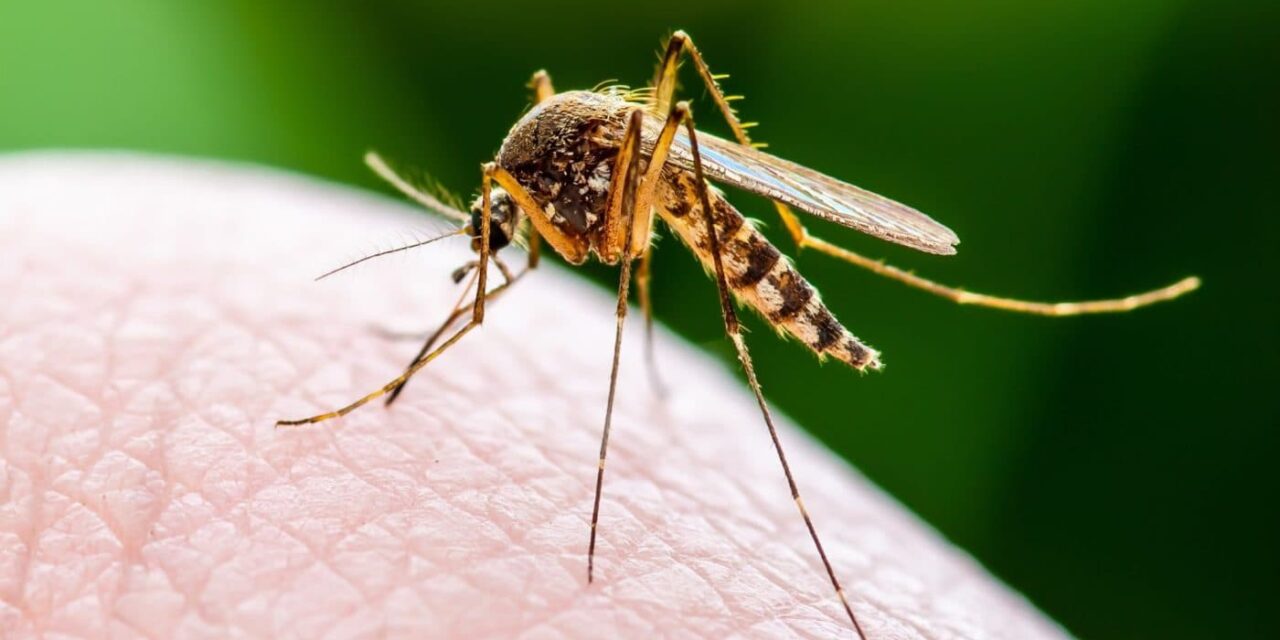
The SMoSS programme will deploy AI-powered smart mosquito sensors in key mosquito-prone zones within urban local bodies. These advanced sensors are capable of detecting mosquito species, gender, density, temperature, and humidity. When mosquito density in any area crosses a set threshold, the system will automatically generate alerts, allowing for targeted and timely intervention. Data from the sensors will be streamed continuously to a central server and visualized on a real-time dashboard for effective monitoring.
The pilot will cover:
-
16 locations in Greater Visakhapatnam Municipal Corporation
-
4 in Kakinada
-
5 in Rajamahendravaram
-
28 in Vijayawada
-
7 in Nellore
-
6 in Kurnool
The programme also leverages Internet-of-Things (IoT) technologies such as drones, sensors, heat maps, and traps. Drones will be used to spray larvicides, enabling efficient coverage of large areas with reduced chemical use, time, and cost. This data-driven approach aims to replace the traditional “blind spraying” method, which officials say has limited impact.
MAUD officials, including Principal Secretary S. Suresh Kumar and Director of Municipal Administration P. Sampath Kumar, have reviewed the system—developed by a private agency—to assess its effectiveness. They emphasized that the initiative will outsource operations to specialized agencies, with payments tied to results and operational accountability. Citizen complaints and feedback from field staff will be tracked via mobile applications such as Vector Control and Puramitra.
Additionally, a daily reporting system for malaria, dengue, and chikungunya cases is being established in hospitals. This data will help identify mosquito hotspots, guiding focused action plans for fogging and larval treatment in affected areas.
Officials stress that the core principles of SMoSS are evidence-based spraying, prevention of chemical overuse, and promotion of public health safety. The overarching goal is to shift from reactive to preventive measures in vector control.
“The entire focus and approach of SMoSS is safeguarding public health. Prevention (of diseases) through containment (of vectors) will be the driving spirit,” said Suresh Kumar and Sampath Kumar.
Disclaimer: This article is based on initial announcements and official statements regarding the upcoming AI-driven mosquito control programme in Andhra Pradesh. The effectiveness of the Smart Mosquito Surveillance System (SMoSS) and its impact on public health will be evaluated following the pilot implementation. Details may evolve as the programme progresses and more data becomes available.