 0
0
 0
0
Andhra Pradesh Health Minister Satya Kumar Yadav approved a policy on December 23, 2025, allowing postgraduate Ayurvedic doctors with specified training to independently perform 58 surgical procedures. The Indian Medical Association (IMA) immediately condemned the move as a threat to patient safety, citing inadequate training and a pending Supreme Court case set for January 8, 2026. This decision, aligned with 2020 national regulations, intensifies national debates over blending traditional Ayurveda with modern allopathic surgery.
Policy Details and Procedures Approved
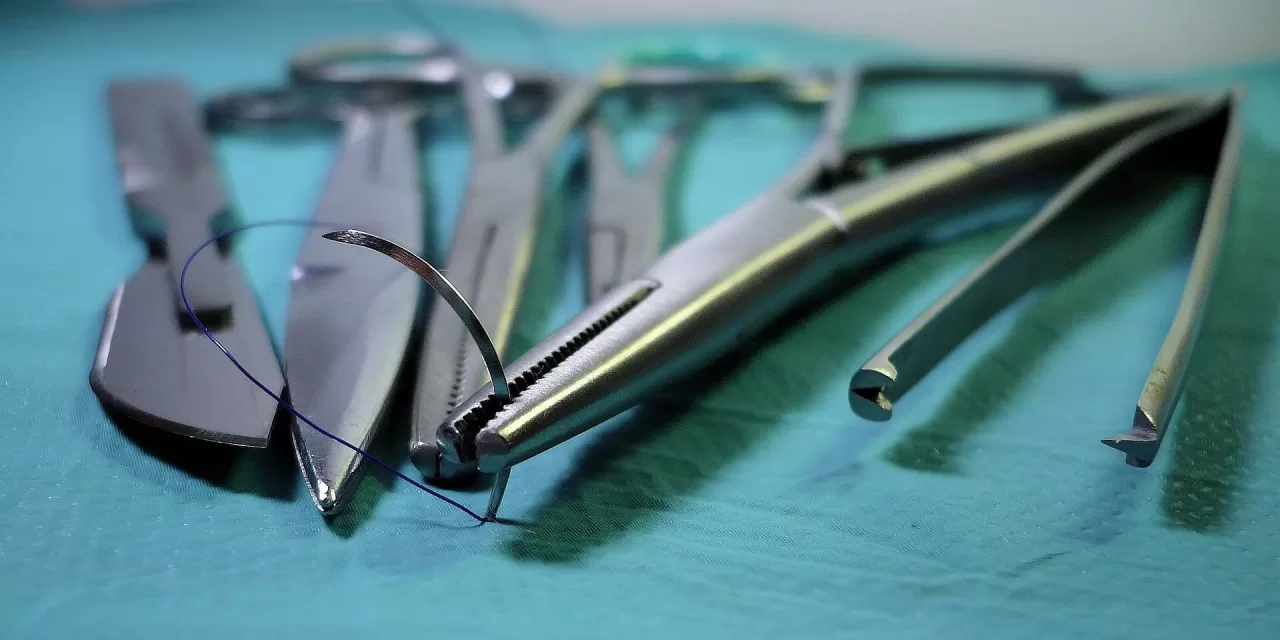
The approval targets postgraduate specialists in Shalya Tantra (general surgery) and Shalakya Tantra (ENT, eye, and dental procedures), permitting 39 general surgeries and 19 specialized ones. Procedures include cataract and glaucoma surgeries, septoplasty, nasal polyp removal, tonsillectomy, tooth extractions, cleft lip repair, hernia repairs (herniotomy, herniorrhaphy), hydrocele eversion, appendectomies, and wound management like suturing and skin grafting.
This follows the Indian Medicine Central Council (Post Graduate Ayurveda Education) Amendment Regulations, 2020, and National Commission for Indian Systems of Medicine (NCISM) guidelines, which list these 58 procedures for practical training in postgraduate curricula. Andhra Pradesh officials, including Ayush Director K. Dinesh, presented the plan to integrate Ayurveda with modern practices, noting the state’s three Ayurveda colleges could support it. Proponents argue it addresses doctor shortages in rural areas while expanding access to traditional care.
IMA’s Strong Opposition and Safety Concerns
The IMA Andhra Pradesh branch labeled the policy “misleading and against scientific principles,” insisting surgery demands MBBS and MS/MCh training under the National Medical Commission (NMC). National IMA President Dr. Dilip P. Bhanushali called it a “huge blunder” that promotes “mixopathy”—unscientific blending of systems—risking lives through gaps in anesthesia, complication management, and emergency care.
“Surgery is not merely a technical skill but requires in-depth knowledge of anatomy, physiology, pathology, perioperative critical care, and complication management,” the IMA stated, warning of public confusion and eroded trust. Dr. Rohan Krishnan, Chief Patron of FAIMA Doctors Association, described it as a “dangerous experiment,” noting non-MBBS practitioners lack supervised exposure to real emergencies like uncontrolled bleeding. Dr. Indranil Deshmukh, IMA JDN National Secretary, added that short courses cannot replicate years of structured training.
Legal Context: Supreme Court Pending
A 2020 Public Interest Litigation by IMA challenges the Central Council of Indian Medicine’s (CCIM) 2020 notification allowing Ayurveda postgraduates surgical training, arguing it invades modern medicine’s domain. The case, sub-judice since then, awaits hearing on January 8, 2026, after a 2022 listing. IMA deems state approvals “legally untenable,” prejudging judicial outcomes, and demands withdrawal pending consultation.
Past Supreme Court observations, like in a 2023 pay parity case, noted Ayurveda practitioners do not perform complex allopathic surgeries or autopsies. The IMA has urged democratic and legal action if ignored.
Expert Perspectives and Broader Debate
Dr. Karan Juneja, IMA JDN MSN Gurgaon Chairman, called for stakeholder discussions to protect safety. Former Andhra Health Secretary P.V. Ramesh warned it “legalises quackery,” potentially harming standards. Ayurveda advocates highlight Shalya Tantra’s ancient roots in parasurgical techniques like Kshara Karma (alkaline application) and Agnikarma (cauterization), now incorporating modern tools under NCISM curricula emphasizing asepsis and wound care.
Yet critics stress Ayurveda’s preventive focus differs from allopathy’s interventional rigor; a 2020 CCIM notification specifies training but not equivalence. IMA respects Ayurveda for wellness but insists boundaries prevent risks, echoing decade-long opposition to cross-practice.
Public Health Implications
With India facing surgeon shortages—rural areas often have 1:20,000 ratios—this could expand access but risks complications without standardized oversight. Patients might face higher infection or referral delays in complex cases, eroding confidence. Balanced integration via more modern seats, as IMA suggests, could strengthen systems without dilution.
For consumers, verify practitioner qualifications via NMC/NCISM registries and seek allopathic surgeons for high-risk procedures. This policy tests India’s pluralistic healthcare, prioritizing evidence over expediency.
Medical Disclaimer: This article is for informational purposes only and should not be considered medical advice. Always consult with qualified healthcare professionals before making any health-related decisions or changes to your treatment plan. The information presented here is based on current research and expert opinions, which may evolve as new evidence emerges.
References
-
Medical Dialogues. “Doctors oppose Andhra govt’s decision allowing Ayurveda practitioners to perform surgeries.” December 28, 2025. https://medicaldialogues.in/news/health/doctors/doctors-oppose-andhra-govts-decision-allowing-ayurveda-practitioners-to-perform-surgeries-161593