 0
0
 0
0
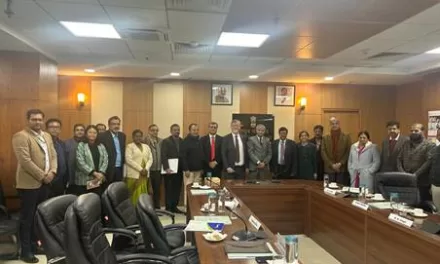
Dr. P. Chandrasekhar, Vice-Chancellor of Dr. NTR University of Health Sciences (NTRUHS), announced the introduction of a new BSc Emergency Medicine program in every medical college in Andhra Pradesh, offering 20 seats per institution. This move, revealed during a recent visit to Anantapur Government Medical College on January 30, 2026, aims to build specialized paramedical manpower to strengthen the state’s emergency healthcare services. With Andhra Pradesh home to 37 medical colleges, the initiative could train up to 740 students annually, addressing critical gaps in emergency care delivery.
Program Details and Rollout
The BSc Emergency Medicine course mirrors established paramedical programs at NTRUHS, such as BSc Cardiology, Perfusion Science, and Anaesthesia Technology, typically spanning three years plus a one-year internship. Students will gain hands-on skills in initial patient resuscitation, trauma management, advanced life support, and emergency department operations—essential for ambulance teams, ERs, and ICUs. Dr. Chandrasekhar emphasized that the program provides a “focused career pathway in emergency medicine” and will enhance hospital response quality statewide.
NTRUHS, the apex body regulating health sciences education in Andhra Pradesh, plans a swift launch, building on its paramedical framework that already offers similar BSc courses with fees around ₹16,500 for the full duration. Each college will also receive ₹3 lakh for infrastructure upgrades, including sports grounds and annual inter-collegiate cultural events, to foster well-rounded medical training. Faculty at Anantapur Medical College, including Principal Dr. M. Vijayashree, welcomed the announcement, highlighting ongoing research commitments.
Crisis in India’s Emergency Care
India faces a dire shortage of emergency care professionals, with only about 5% of the needed 140,000 emergency physicians available for its 1.4 billion population as of recent estimates. Emergency departments (EDs) nationwide grapple with overcrowding, handling high patient volumes where up to 40% of cases could be managed at primary care levels due to weak upstream infrastructure. In Andhra Pradesh, job listings for emergency roles underscore persistent demand, from ambulance paramedics to critical care staff.
Paramedics play a pivotal role here, bridging gaps until physicians arrive; trained technicians reduce ED wait times and improve outcomes in trauma and cardiac arrests. The National Medical Commission recognized Emergency Medicine as a mandatory department in 2019, yet specialist staffing lags, exacerbating delays in time-sensitive care. Andhra’s initiative targets this by scaling paramedical training, similar to BSc programs elsewhere that produce EMTs, paramedics, and disaster responders.
Expert Perspectives
“This is a timely step toward professionalizing emergency response at the paramedic level,” says Dr. Raman Kumar, Founding President of the Academy of Family Physicians of India, who notes family medicine’s overlap with emergencies but stresses specialized training’s value. Though not directly involved, Kumar highlights how such programs could alleviate ED burdens, where untrained generalists often manage crises.
Paramedical educators echo this. “BSc Emergency Medicine equips graduates for high-stakes roles like pre-hospital stabilization, directly saving lives during golden hours,” explains a curriculum overview from Amrita Institute, which runs a comparable program. Dr. Chandrasekhar himself positions it as manpower generation: “It will produce specialised personnel to strengthen emergency healthcare services.” However, experts caution that without physician-level expansion—India trains only ~1,000 emergency doctors yearly—the gap persists.
Public Health Impact
For Andhra Pradesh’s 53 million residents, faster emergency responses mean better survival in road accidents (over 150,000 deaths nationally yearly), heart attacks, and disasters. Paramedics trained in this program could staff 108 ambulance services, reducing transport deaths, and support rural EDs where specialists are scarce. Nationally, it aligns with pushes for robust EMS under Ayushman Bharat, potentially lowering overcrowding by 20-30% through efficient triage.
Patients stand to benefit from quicker interventions—like defibrillation or airway management—lowering mortality in the critical first hour. Hospitals gain a steady supply of skilled technicians, easing physician workloads and enabling focus on complex cases. For health-conscious consumers, this signals improving access to timely care, especially in underserved districts like Anantapur.
Career Pathways and Opportunities
Graduates emerge as Emergency Medical Technicians (EMTs), paramedics, or trauma specialists, with roles in hospitals, ambulances, disaster teams, and even telemedicine. Demand is high: Andhra listings show openings for emergency staff paying competitively, with global mobility for skilled paramedics. Further studies could lead to MSc or supervisory roles, blending tech like AI triage tools.
Eligibility mirrors paramedical norms: 10+2 with 50% in Physics, Chemistry, Biology. Hands-on internships ensure readiness, much like aviation crews training for crises—precise, calm, life-preserving.
Challenges and Limitations
While promising, scalability hinges on faculty shortages and infrastructure; Andhra’s 37 colleges must equip simulation labs without delays. Critics note paramedics can’t replace physicians, and brain drain sees trained talent migrate abroad. Retention strategies, like incentives, are vital. Overcrowding stems partly from primary care deficits, so this addresses symptoms, not roots. Enrollment may vary, and program efficacy needs post-launch evaluation.
Balanced against this, it’s a proactive model other states could emulate, per Academy of Family Physicians advocates.
Medical Disclaimer: This article is for informational purposes only and should not be considered medical advice. Always consult with qualified healthcare professionals before making any health-related decisions or changes to your treatment plan. The information presented here is based on current research and expert opinions, which may evolve as new evidence emerges.
References
-
Medical Dialogues. (2026-01-31). Andhra to introduce BSc Emergency Medicine in all medical colleges, 20 seats per college. https://medicaldialogues.in/state-news/andhra-pradesh/andhra-to-introduce-bsc-emergency-medicine-in-all-medical-colleges-20-seats-per-college-163724[medicaldialogues]