 0
0
 0
0
Kerala, India — In 2025, a rare but deadly brain infection known as Amoebic Meningoencephalitis has surged alarmingly across Kerala, with 42 confirmed cases reported so far this year, resulting in at least six deaths, including vulnerable infants and young children. The infection, primarily caused by the “brain-eating amoeba” Naegleria fowleri, has struck multiple districts, notably Kozhikode, Malappuram, and Wayanad, prompting state health authorities to intensify preventive measures amid growing public concern.
Key Developments and Findings
This year’s outbreak in Kerala represents a significant public health challenge. Two recent fatalities include a three-month-old infant and a 52-year-old woman, both treated at Kozhikode Medical College Hospital, where several other patients remain hospitalized. Earlier in August, a nine-year-old girl also succumbed to the infection. According to health officials, cases have been linked to exposure to untreated freshwater sources such as wells, ponds, and unchlorinated swimming pools, common in affected regions.
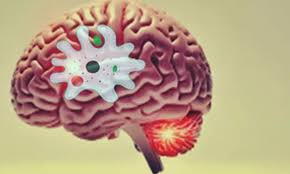
Amoebic Meningoencephalitis, medically termed Primary Amoebic Meningoencephalitis (PAM), is an inflammation of the brain and its lining caused by microscopic amoebae that enter the body through the nasal passages during contact with contaminated water. Once in the brain, these amoebae destroy brain tissue rapidly, causing symptoms resembling meningitis: headache, fever, nausea, neck stiffness, progressing to seizures, coma, and often death within days.
Expert Perspectives and Context
Dr. Leena Mathew, an infectious disease specialist not involved with the Kerala cases, explains, “Naegleria fowleri is a rare but aggressive pathogen. Its infective stage invades the brain through the nasal mucosa, leading to devastating inflammation. Unfortunately, the disease progresses rapidly, often outpacing diagnosis and treatment efforts.” Studies show the global fatality rate for PAM exceeds 97%, underscoring its lethality.
Environmental studies confirm that Naegleria fowleri thrives in warm, stagnant freshwater bodies, conditions common in Kerala’s tropical climate, especially during hotter months. A 2024 Indian study reported increased detections of the amoeba in freshwater sources, correlating with recent case surges in the region. This aligns with global patterns where warming temperatures and water usage habits elevate infection risk.
Kerala’s Health Department has escalated measures including chlorinating wells and storage tanks in affected districts and launching public awareness campaigns on avoiding exposure to untreated freshwater sources. “Preventive efforts focus on reducing contact with potentially contaminated water through education on safe water practices,” said a health official.
Implications for Public Health and Daily Decisions
For the general public, awareness and caution are critical. Avoiding swimming or bathing in untreated or unchlorinated freshwater bodies can significantly minimize infection risk. Nasal exposure should be avoided in these environments, including practices such as diving or jumping into water where potential amoeba presence exists.
Early symptoms of PAM resemble common viral infections, making early detection difficult. Rapid medical attention is vital once neurological symptoms like neck stiffness, confusion, or seizures appear. However, currently, no universally effective treatment for PAM exists, and most cases result in fatality, making prevention the foremost defense.
Limitations and Conflicting Views
While confirmed cases are rising, PAM remains exceedingly rare. Critics caution against panic, emphasizing that Naegleria fowleri infections do not spread from person to person and require specific environmental conditions and exposure routes. Moreover, some experts note that improved diagnostics and surveillance might partly account for the apparent case increase.
Medical Disclaimer: This article is for informational purposes only and should not be considered medical advice. Always consult with qualified healthcare professionals before making any health-related decisions or changes to your treatment plan. The information presented here is based on current research and expert opinions, which may evolve as new evidence emerges.
References