 0
0
 0
0
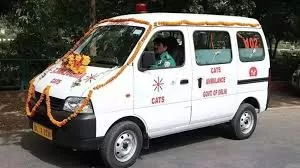
New Delhi, September 25, 2025 — With the rallying cry “Ambulance in Delhi should reach before pizza,” Chief Minister Rekha Gupta today flagged off 11 new Centralised Accident and Trauma Services (CATS) ambulances in the national capital. This timely move, part of the ‘Sewa Pakhwada’ (Service Fortnight) dedicated to Prime Minister Modi’s 75th birthday, marks a significant stride in Delhi’s ongoing mission to modernise its emergency health infrastructure and broaden public health access.
Rapid Response: Scaling Up the CATS Ambulance Fleet
At an event attended by Health Minister Dr. Pankaj Kumar Singh and senior health officials, CM Gupta underscored the city’s commitment to robust emergency response. “Eleven ambulances have been launched today. By October, 53 more will be added. We are working to take the total strength to 1,000 to ensure every resident has timely access to emergency medical services,” Gupta said.
This expansion brings the operational CATS fleet to 277 vehicles, with plans to reach 1,000 by the end of the next development phase. The existing network currently integrates both Basic Life Support (BLS) and Advanced Life Support (ALS) ambulances, equipped with essential tools such as oxygen cylinders, pulse oximeters, and nebulisers. The city’s response time has averaged around 17 minutes in recent years—a figure governance bodies hope to reduce substantially with the expanded fleet.
Expert Perspective: Dr. Rajiv Malhotra, an emergency medicine specialist at AIIMS (not involved in the initiative), commented, “Timely ambulance access is the cornerstone of effective emergency care. Expanding a city-wide fleet significantly enhances survival rates in trauma and critical care situations.”
Digitising Hope: Launch of Delhi’s First Organ Donation Portal
A second cornerstone of today’s announcement is the unveiling of Delhi’s first online organ donation portal under the aegis of the newly formed State Organ and Tissue Transplant Organisation (SOTTO), made possible following recent approval by the Ministry of Health and Family Welfare. The portal, known as “Delhi Aang Daan,” provides a transparent, accessible platform for Delhiites to pledge organ and tissue donations—an important step to bridge the demand-supply gap for life-saving transplants.
CM Gupta highlighted both the ethical and practical importance of organ donation: “While alive, we should serve our country, and after death, continue to help people waiting for a new lease on life.” The city saw over 1,222 pledges on its eye donation portal launched earlier in September—a testament to growing public enthusiasm for organ donation. Dr. Satyajit Kumar, the state’s THOTA cell nodal officer, notes, “One deceased donor can save up to eight lives. Streamlining coordination via SOTTO will save time and ensure equitable, ethical allocation”.
Modernising Diagnostics: Battling TB with Better Tools
Recognising the urgent need for early detection and treatment of communicable diseases, the government simultaneously introduced 40 TrueNat machines, 10 PathoDetect molecular diagnostics units, and 27 handheld X-ray devices to the public health apparatus—a move designed to combat Delhi’s high tuberculosis (TB) burden. TrueNat and PathoDetect platforms allow for rapid, point-of-care TB diagnosis and drug resistance screening. The addition of portable X-ray technology enables easier community outreach and more efficient case finding, especially among hard-to-reach populations.
According to the Indian Council of Medical Research (ICMR), the sensitivity and specificity of these new TB diagnostic tools approach or exceed 85% and 95%, respectively, marking a significant advance over conventional tests.
Expanding Child Health and Hospital Capacity
Also debuting today: the city’s first District Early Intervention Centre (DEIC) at Chacha Nehru Bal Chikitsalaya, offering screening and treatment for children with developmental challenges. Alongside expansion in diagnostics and emergency transport, Minister Singh announced the appointment of 1,300 nurses and permanent medical superintendents, transparent centralised procurement of medicines, 168 new Arogya Mandirs, doubled dialysis capacity (now 300 machines), and a notable increase in hospital beds.
“All these measures are designed to guarantee reliable, round-the-clock health services for every resident,” Singh told assembled press.
Public Health Implications and Limitations
These upgrades have broad public health implications. Shorter ambulance response times, transparent transplant coordination, and earlier diagnosis of TB are expected to improve survival rates, reduce complications, and foster greater public trust in the health system. For the general public, the initiatives mean greater access to life-saving services, more streamlined processes for donation and transplantation, and swifter detection of diseases with major community impact.
However, some limitations remain: scaling up complex initiatives may outpace trained personnel availability. Historic reports from Delhi’s Comptroller and Auditor General have identified operational gaps in ambulance equipment and staffing, underscoring the need for continued investment and oversight. Increased awareness campaigns will be vital to translate policy into real-world organ donation and to ensure equitable access to new diagnostic technology.
Expert Perspective: Dr. Prashant Kumar, public health policy consultant, adds, “Program sustainability will depend on workforce training and ongoing public engagement. The ambitious ambulance response targets are only met if all resources—human and mechanical—function optimally.”
Takeaway for Readers
For Delhi’s residents, today’s announcements mean easier access to reliable ambulance services, more opportunities to contribute as organ donors, and greater protection against TB and childhood diseases. Individuals can visit the new organ donation portal to pledge, participate in TB screening drives, and expect improved emergency care in coming months.
Medical Disclaimer: This article is for informational purposes only and should not be considered medical advice. Always consult with qualified healthcare professionals before making any health-related decisions or changes to your treatment plan. The information presented here is based on current research and expert opinions, which may evolve as new evidence emerges.
References
-
Rediff. “‘Ambulance before pizza’: Delhi CM launches 11 CATS ambulances, organ donation portal.” September 25, 2025.