 0
0
 0
0
Major Expansion in India’s PG Training Capacity
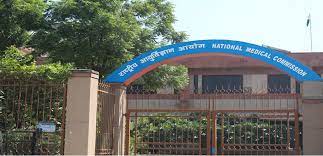
The National Medical Commission (NMC) has released the tentative postgraduate (PG) medical seat matrix for the academic year 2025–26, confirming a total of 58,331 PG seats across India—an increase of 8,416 seats compared to 49,915 seats in 2024–25. The updated matrix, notified through the Medical Assessment and Rating Board (MARB) on January 23, 2026, invites all medical colleges to verify their seat counts within 15 days, making this a crucial development for NEET-PG aspirants, medical institutions, and the country’s healthcare system.
Key Numbers: How Much Has Changed
NMC’s latest notice shows that the total PG medical seats under its purview have risen from 49,915 in AY 2024–25 to 58,331 for AY 2025–26, reflecting a roughly 17% increase in just one year. The 8,416 newly granted seats span broad-specialty MD/MS and diploma courses, and are based on approvals issued up to January 22, 2026.
Speciality-wise expansion
Several core and high-demand disciplines have seen substantial seat additions:
-
MD Anaesthesiology: +718 seats (from 4,946 to 5,664)
-
MD General Medicine: +668 seats (from 5,473 to 6,141)
-
MD Pediatrics: +645 seats (from 3,520 to 4,165)
-
MS Orthopaedics: +608 seats (from 3,025 to 3,633)
-
MS General Surgery: +610 seats (from 4,957 to 5,567)
-
MS Obstetrics & Gynaecology: +595 seats (from 4,069 to 4,664)
-
MD Radio-Diagnosis: +544 seats (from 2,606 to 3,150)
Alongside these, MD Community Medicine (+291), MD Psychiatry (+286), MD Biochemistry (+243), MD Microbiology (+242), MD Dermatology Venereology & Leprosy (+432), and MD Pathology (+430) have also seen notable boosts, reflecting an attempt to strengthen both clinical and public health–oriented disciplines.
State-wise distribution
A few states account for a large share of the expansion:
-
Karnataka: +1,328 seats (from 6,397 to 7,725)
-
Uttar Pradesh: +1,034 seats (from 4,635 to 5,669)
-
Tamil Nadu: +905 seats (from 4,656 to 5,561)
-
Maharashtra: +653 seats (from 5,896 to 6,549)
-
Gujarat: +651 seats (from 3,027 to 3,678)
Smaller and underserved regions have also been brought into the fold, with new PG seats appearing in Andaman & Nicobar Islands (+13), Arunachal Pradesh (+23), and Mizoram (+10), signalling an effort to gradually decentralise specialist training.
Snapshot: Top states by new seats
| State | PG seats 2024–25 | Seats added 2025–26 | Total PG seats 2025–26 | |
|---|---|---|---|---|
| Karnataka | 6,397 | 1,328 | 7,725 | |
| Uttar Pradesh | 4,635 | 1,034 | 5,669 | |
| Tamil Nadu | 4,656 | 905 | 5,561 | |
| Maharashtra | 5,896 | 653 | 6,549 | |
| Gujarat | 3,027 | 651 | 3,678 |
What NMC and MARB Have Directed Colleges to Do
In its public notice, MARB has attached the speciality- and state-wise seat matrix and instructed all medical colleges and institutions to verify the displayed numbers.
The notice clearly states that:
-
Institutions must check and confirm their PG seat numbers as of January 22, 2026.
-
Any discrepancy must be reported to MARB with supporting documents within 15 days of the notice date.
-
Failure to report discrepancies in time “may affect the updation of student details on the NMC Admission Portal,” potentially impacting future admissions and compliance.
NMC Secretary Dr Raghav Langer has also written to the Director/Principal/Dean of all NMC-recognised colleges, reiterating these instructions and clarifying that the current seat matrix is tentative and subject to verification.
Why This Matters: Public Health and Workforce Impact
India has steadily increased its medical education capacity over the past decade, including an 82% rise in medical colleges (from 387 before 2014 to 704 by 2023) and over 100% growth in MBBS seats. PG seats have also expanded sharply: government data presented in Parliament show an increase from 40,858 PG seats in 2020 to around 62,584 by 2025, reflecting an ongoing national strategy to strengthen specialist care.
At the same time, analysts note that the country still struggles with uneven distribution of doctors and specialists between urban and rural areas, and between government and private sectors. Recent estimates suggest a doctor–population ratio ranging from around 1:900 to 1:811 when considering allopathic doctors and AYUSH practitioners, slightly better than or close to the World Health Organization’s recommended minimum of 1:1,000, but with significant regional variations.
An experienced public health physician not involved in NMC’s process, such as a senior faculty member at a government teaching hospital, would likely view the expansion as a welcome step—but only part of a broader solution. They might note that increasing seats in community medicine, psychiatry, paediatrics, and obstetrics & gynaecology is critical for tackling India’s high burdens of maternal mortality, childhood illnesses, mental health conditions, and non-communicable diseases.
Expert Perspective: Capacity vs. Quality
Experts in medical education have long argued that simply increasing seat numbers is not enough if training quality, infrastructure, and mentoring do not keep pace. In recent years, counselling data from the Medical Counselling Committee have shown a paradox: even as PG seats rise nationally, thousands of seats—especially in certain private institutions and non-clinical branches—remain vacant after multiple rounds of counselling.
In one recent analysis, vacancies after the first round of PG counselling rose from 11,629 in 2021 to 17,619 in 2025, prompting authorities to drastically lower NEET-PG qualifying percentiles to ensure seats are filled. A senior member of a national resident doctors’ association, commenting on these trends, has criticised the practice of repeatedly reducing cut-offs, arguing that it risks diluting merit while still leaving many highly ranked but economically disadvantaged candidates unable to afford high-fee private seats.
Applying that critique to the new NMC seat matrix, medical education specialists may raise several points:
-
Quality assurance: Rapid seat expansion must be matched by adequate faculty, clinical material, and infrastructure, especially in high-skill areas such as anaesthesiology, radiology, and orthopaedics.
-
Equity and affordability: Many of the new seats are likely in private colleges; if fees remain very high, they may not meaningfully improve access for students from lower- and middle-income backgrounds.
-
Workforce planning: Adding large numbers of specialists without parallel planning for public sector posts and rural deployment may risk creating an “available but maldistributed” workforce.
What It Means for Aspirants and Patients
For NEET-PG aspirants, the immediate implication is a larger pool of seats across popular clinical and para-clinical disciplines, potentially improving chances of securing a seat—especially in states such as Karnataka, Uttar Pradesh, Tamil Nadu, Maharashtra, and Gujarat. Increased seats in high-demand subjects like general medicine, anaesthesiology, paediatrics, obstetrics & gynaecology, radiodiagnosis, and orthopaedics may slightly ease competition at certain ranks, although demand for these branches is expected to remain intense.
For the public, the long-term promise is a broader pipeline of specialists and teaching faculty who can strengthen district hospitals, medical colleges, and tertiary-care centres. Expanded capacity in community medicine, psychiatry, geriatrics, and palliative medicine also aligns with the shift towards comprehensive, person-centred care, including mental health and end-of-life support.
However, experts caution that the benefits will be fully realised only if:
-
New PG seats are accompanied by standards-based accreditation and regular audits.
-
Governments and institutions create enough sanctioned posts and equitable deployment policies to absorb newly trained specialists, particularly in public and rural settings.
-
Fee regulation and scholarship mechanisms are strengthened to ensure that bright, less affluent candidates are not priced out of specialist training.
A clinician-educator at a central government institute, for example, might summarise it this way: expanding PG seats is like widening a highway—if entry points, exits, and safety checks are not upgraded together, congestion and uneven flow will persist despite the extra lanes.
Limitations and Next Steps
NMC itself has emphasised that the current seat matrix is tentative and subject to verification and correction based on feedback from colleges. The figures reflect seat approvals only up to January 22, 2026; further changes—either additional approvals or corrections—may occur before the final matrix used for counselling is notified.
Moreover, the seat matrix does not directly address critical qualitative questions, such as faculty-student ratios, training case-loads, or the proportion of seats in government versus private institutions—factors that significantly influence both the learning environment and service delivery. Independent evaluations and regulatory inspections will be essential to ensure that numerical growth translates into genuinely stronger training programmes.
For aspirants, the key practical steps now are to:
-
Track official NMC and counselling authority updates for any revisions to the seat matrix.
-
Understand speciality-wise and state-wise trends to make informed choices aligned with career goals, financial realities, and service preferences.
-
Seek guidance from credible mentors or counsellors rather than relying solely on social media chatter.
For policymakers, the next phase will involve linking this expanded PG capacity to broader health system goals: improving access to specialists in underserved regions, enhancing emergency and critical care, and strengthening public health and preventive services.
Medical Disclaimer: This article is for informational purposes only and should not be considered medical advice. Always consult with qualified healthcare professionals before making any health-related decisions or changes to your treatment plan. The information presented here is based on current research and expert opinions, which may evolve as new evidence emerges.
References
-
Medical Dialogues. Altogether 58,331 PG medical seats, 8416 granted in 2025-26, NMC releases seat matrix. Published January 26, 2026. Accessed January 28, 2026.[medicaldialogues]