 0
0
 0
0
Madrid, May 14, 2025 – Allergy sufferers across Spain are facing one of the most intense pollen seasons in recent years, with grass and olive tree pollen reaching “red alert” levels in many regions. Provinces such as Salamanca, Cáceres, Badajoz, Toledo, Ciudad Real, Jaén, Córdoba, Sevilla, Huelva, Málaga, and Cádiz are experiencing particularly high rates of allergic reactions, according to recent data from Eltiempo.es.
Grasses Dominate the Allergy Map
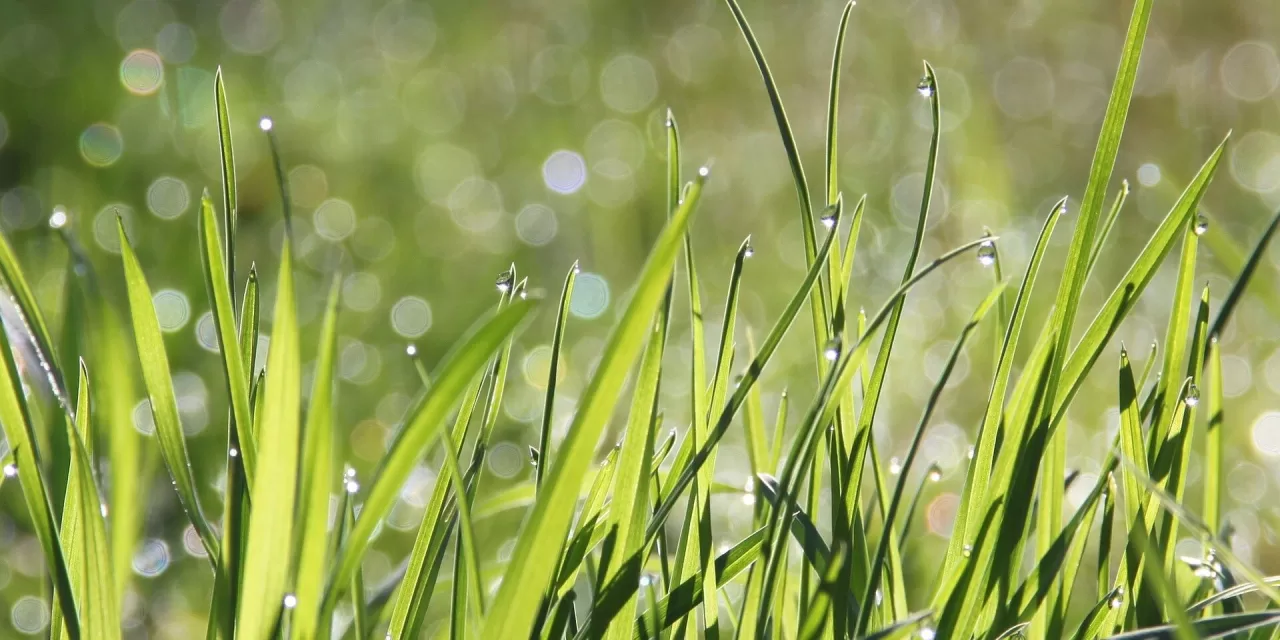
Grasses, a plant family that includes wheat, barley, oats, rye, maize, and even common lawn grass, are currently in their peak pollination phase. This has led to a significant increase in pollen counts, especially in central, western, and southwestern Spain. Experts estimate that around 8 million Spaniards are affected by pollen allergies, with grasses being the primary culprit this May.
Olive Pollen Also a Major Concern
While grasses are the main source of allergies at this time of year, olive trees are also contributing to the high pollen levels. The central, western, and southwestern regions, as well as Tarragona, are reporting elevated olive pollen counts. This dual impact is making life particularly difficult for allergy sufferers.
Weather Patterns Intensify Allergy Season
This year’s allergy season is being exacerbated by unusual weather conditions. Spain has experienced a 20% increase in rainfall since October compared to recent years, resulting in lush plant growth. While rain and wind have temporarily helped clear pollen from the air, experts warn that as temperatures rise and rainfall decreases, pollen levels are expected to peak.
According to meteorologists, the combination of mild temperatures and abundant rainfall has set the stage for an especially severe allergy season. As the weather shifts, those with sensitivities to grass and olive pollen should prepare for continued high levels in the coming weeks.
Stay Informed
Allergy sufferers are encouraged to monitor daily pollen forecasts, available on platforms like Eltiempo.es, to stay updated on current and upcoming pollen levels in their area.
Disclaimer:
This article is for informational purposes only and is based on publicly available data from Eltiempo.es as of May 14, 2025. For medical advice or personalized allergy management, please consult a healthcare professional.
Citations: