 0
0
 0
0
Surge in Inexpensive, Sugary Beverages
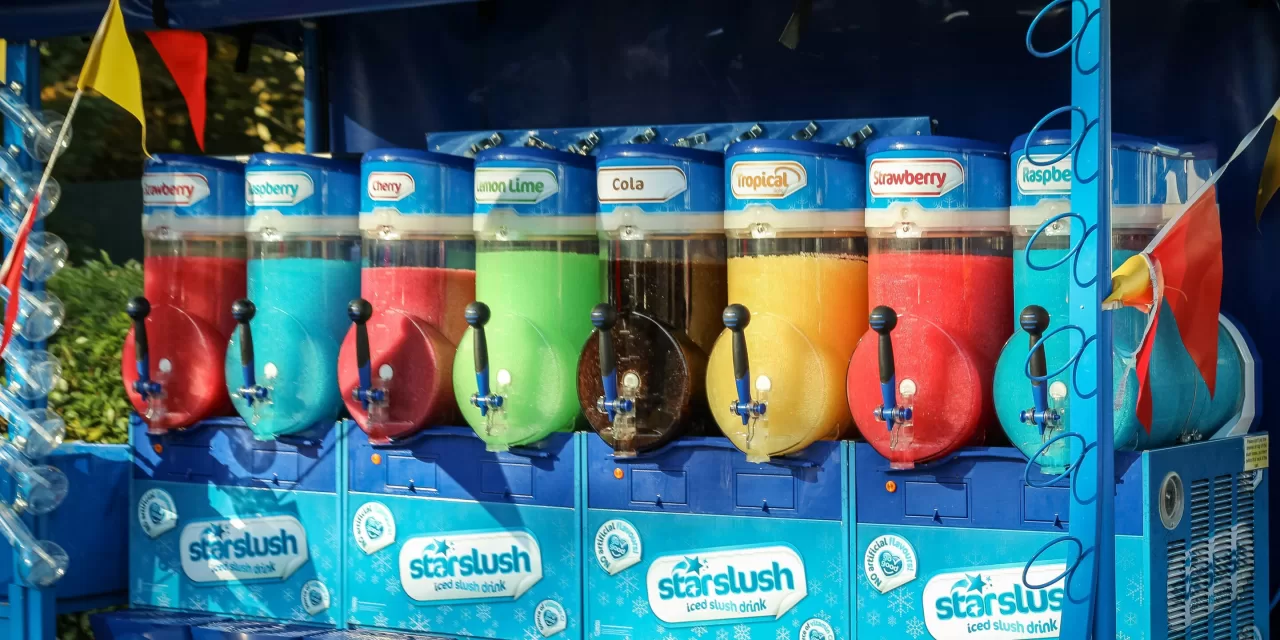
In recent years, Indian schools have witnessed a troubling uptick in the consumption of inexpensive energy drinks by students, many of whom now routinely choose these beverages over healthier options. Priced as low as Rs 10-20, energy drinks have become readily accessible to children across the country, replacing water and milk in daily consumption patterns. Experts warn that this trend represents a grave public health crisis that could threaten an entire generation’s well-being.
Dangerous Health Effects Outlined by Experts
Food scientist and Vice Chancellor of BRA Bihar University, Prof. Dinesh Chandra Rai, highlights that these energy drinks typically contain a potent mix of stimulants and sugars. A single 250 ml can may have 80 to 300 mg of caffeine—far exceeding the adolescent recommended limit of 100 mg per day—and 20 to 40 grams of sugar per serving.
Children’s bodies, with their lower weight and developing nervous systems, are particularly at risk for:
-
Elevated heart rate
-
Acute hypertension
-
Anxiety and insomnia
-
Cardiac arrhythmias or seizures in severe cases
-
Jitteriness, restlessness, and difficulty concentrating
The high sugar content not only raises the risk of type 2 diabetes—a condition already epidemic in India—but also contributes to obesity, dental erosion, and non-alcoholic fatty liver disease. The acidic nature of these drinks (pH 2.5-3.5) further accelerates dental health issues.
Artificial additives, such as amino acids and synthetic vitamins, may lead to allergic reactions and unknown long-term effects. Caffeine’s diuretic effect can also increase dehydration, an especially grave concern in India’s warm climate. Moreover, research links frequent energy drink consumption to higher rates of aggression, stress, depression, and impaired academic performance among youth.
Comparisons to Tobacco: Marketing and Availability
Prof. Rai draws direct parallels between the marketing strategies of energy drink brands and those historically used by tobacco companies. Aggressive campaigns—leveraging social media influencers, esports sponsorships, and school event promotions—have targeted India’s youth with images of vitality and performance.
The ready availability of these products, now at the fraction of their earlier price, mirrors the widespread accessibility of tobacco in previous decades. Such pervasive presence has made energy drinks a daily staple for many students, further complicating attempts to regulate consumption.
Calls for Stringent Regulation and Education
Experts and public health advocates urge a multipronged response, including:
-
Nationwide age restrictions on the sale of energy drinks (18+)
-
Mandatory labeling of caffeine and sugar content, plus bold health warnings
-
Limits on caffeine content, aligning with international standards
-
Comprehensive bans on marketing and advertising of energy drinks to minors, especially around schools and at youth events
-
School-based curricula educating students, staff, and parents about the dangers of energy drinks
-
Complete campus bans on sale and promotion of these beverages, mirroring tobacco-free zone policies
-
Promotion of healthier alternatives, such as water, milk, and 100% fruit juices (in moderation)
Continuous research and collaborations with government bodies, NGOs, and educational communities are deemed crucial for monitoring and addressing evolving trends.
Advocating Healthier Alternatives
Experts recommend the following beverages as safe alternatives:
-
Water: Optimal for daily hydration
-
Milk: Provides essential calcium, vitamin D, and protein for growth
-
100% Fruit Juice: Rich in vitamins, but best consumed in moderation
-
Sports Drinks: Only for children engaged in prolonged, intense physical activity; not for casual refreshment
For older adolescents, unsweetened tea or coffee may be considered in moderation, provided total caffeine intake is monitored closely.
Conclusion
The consumption of energy drinks among Indian schoolchildren, with a reported market size of USD 6.29 billion in 2024 and over 570 million liters consumed in 2023, has escalated into what experts call a national public health emergency. Immediate, coordinated action by policymakers, educators, and parents is vital to safeguard India’s youth from serious, preventable health risks.
Disclaimer:
This article is based on expert commentary and current research. It is intended for informational purposes only and should not substitute professional medical advice. Readers are encouraged to consult qualified health professionals for individualized guidance and policy-makers for regulatory updates.