 0
0
 0
0
ALAPPUZHA, KERALA — In a decision that has sparked intense debate over medical accountability and systemic safety, an internal inquiry committee at Alappuzha Government Medical College (AMCH) has exonerated a senior gynaecologist involved in a high-profile “retained surgical item” case. The investigation centered on a 2021 hysterectomy that left a pair of artery forceps inside a patient’s abdomen for nearly five years.
The four-member panel, led by Resident Medical Officer (RMO) Dr. Lekshmi PL, concluded that the operating surgeon, Dr. J. Shahida, followed all established protocols during the complex procedure. This finding stands in stark contrast to the initial administrative response, which saw the suspension of both the doctor and a scrub nurse, and follows the filing of criminal charges against the former department head.
The 2021 Surgery and the Years of Hidden Pain
The case traces back to May 2021, when 51-year-old Usha Joseph underwent surgery at AMCH to remove a massive uterine tumor weighing approximately 3.5 kilograms. The procedure was performed by Dr. Shahida, then an assistant professor, under the unit of Dr. Lalithambica Karunakaran, who served as the Head of the Department of Obstetrics and Gynaecology.
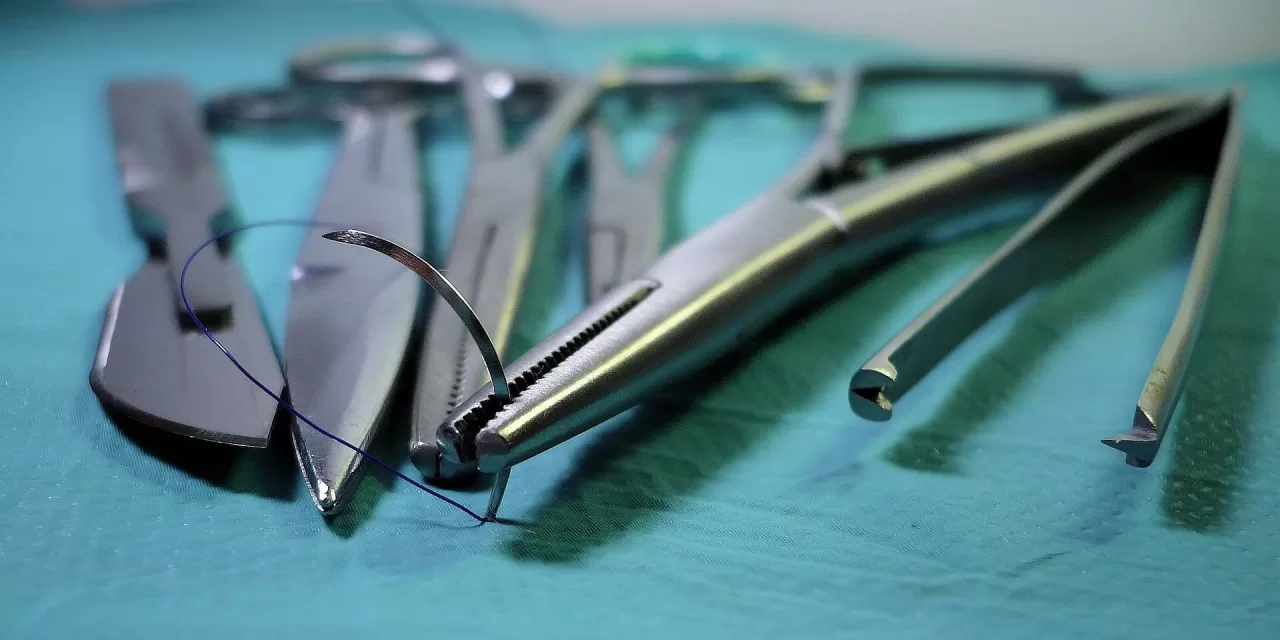
While the surgery was initially deemed successful and the patient was discharged on May 15, 2021, Ms. Joseph’s recovery was marked by persistent, debilitating abdominal pain. For years, the cause remained a mystery. It was only in early 2026, after seeking help at a private facility in Kochi, that an X-ray revealed a pair of artery forceps—a scissor-like clamping tool—lodged in her pelvic cavity. The instrument was surgically removed at Amrita Hospital, Kochi, where the patient is currently recovering.
The Panel’s Findings: A “Paper-Perfect” Procedure?
The inquiry committee’s exoneration of Dr. Shahida hinges on the meticulous nature of the hospital’s documentation from the day of the surgery. According to the report, the surgical team adhered to the “count-in, count-out” protocol that is standard in operating theaters worldwide.
Key findings from the investigation include:
-
Verbal Confirmation: The surgeon reportedly confirmed with the scrub nurse that all instruments were accounted for before suturing the abdominal wall.
-
Documentation Consistency: The nursing notes and the surgical case sheet showed no discrepancy between the number of instruments issued and those returned.
-
Protocol Compliance: The panel found no evidence that the surgeon personally bypassed any recognized safety checklists.
While these findings led to the recommendation to lift the doctor’s suspension, they raise a troubling question: How can a surgical instrument be left behind if the official count is recorded as correct?
Systemic Failure vs. Individual Negligence
The Alappuzha incident has reignited a global conversation about “never events”—serious medical errors that should never occur if safety protocols are followed. According to a 2019 study published in JSLS (Journal of the Society of Laparoscopic & Robotic Surgeons), retained surgical items (RSIs) occur in roughly 1 in every 1,000 to 2,000 abdominal surgeries.
Dr. Anil Kumar, a senior consultant gynaecologist not involved in the case, explains that these errors are rarely the result of a single person’s carelessness.
“Even when documentation is perfect, real-time lapses can occur due to human factors,” Dr. Kumar noted. “We must consider the context of 2021. This surgery took place during the peak of the COVID-19 pandemic. Surgeons were operating in full PPE, under extreme stress, and managing high-volume workloads. In such environments, cognitive fatigue is a significant risk factor.”
Dr. Lalithambica Karunakaran, who now faces criminal charges under Sections 125 and 125(a) of the Bharatiya Nyaya Sanhita (BNS) for “endangering life by negligence,” has echoed this sentiment. She maintains that she did not personally perform the surgery and has suggested the incident be viewed as a “system failure” rather than individual malpractice.
The Legal and Public Health Fallout
Despite the internal exoneration of the operating surgeon, the legal battle is far from over. The Ambalapuzha police are proceeding with a criminal investigation, and legal experts suggest that an administrative “clean chit” does not automatically negate civil or criminal liability.
Public health advocates argue that the case highlights a critical gap in post-operative care within the government health system. Ms. Joseph suffered for five years without the cause being identified—a delay that points to a lack of accessible diagnostic imaging during follow-up visits for chronic post-surgical pain.
Implications for Patient Safety
The Kerala Health Department has commissioned a separate expert committee to review the case. This investigation is expected to influence future protocols, potentially mandating:
-
Adjunct Imaging: Post-operative X-rays for “high-risk” surgeries involving large tumors or emergency conditions.
-
Enhanced Technology: The use of radio-frequency identification (RFID) tagged sponges and instruments to automate the counting process.
-
Standardized Debriefing: Mandatory “Time-Out” and “Sign-Out” sessions where every member of the surgical team must explicitly verify the instrument count.
What This Means for Patients
For the general public, this case serves as a reminder of the complexities of modern medicine. While patients should trust their healthcare providers, staying informed and proactive is essential.
-
Ask About Checklists: Patients and families can ask if the hospital follows the WHO Surgical Safety Checklist.
-
Persistent Symptoms: If you experience unusual or persistent pain after surgery, do not hesitate to seek a second opinion or request diagnostic imaging, such as an X-ray or ultrasound.
-
Maintain Records: Always keep copies of your surgical notes, discharge summaries, and any post-operative reports.
As the Kerala health authorities finalize their report, the medical community remains divided. The exoneration of the surgeon may provide temporary relief to the staff involved, but for Usha Joseph, the five-year ordeal remains a stark reminder that even the most rigorous “paper” protocols can fail the patient they are meant to protect.
References
Medical Disclaimer: This article is for informational purposes only and should not be considered medical advice. Always consult with qualified healthcare professionals before making any health-related decisions or changes to your treatment plan. The information presented here is based on current research and expert opinions, which may evolve as new evidence emerges.