 0
0
 0
0
The recent investigations surrounding Al Falah University in India link approximately 200 doctors and staff members to possible connections with a suicide bomber, Dr. Umar Nabi, who allegedly carried out a deadly attack. This development has sparked intense scrutiny from investigative agencies as they probe whether the bomber had internal handlers within the university and to what extent the institution may have been a hub for extremist activities. The unfolding situation has raised serious concerns not only about security but also significant psychological impacts on healthcare professionals associated with such incidents.
Key Developments at Al Falah University
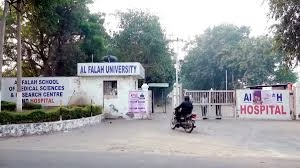
Investigative authorities have placed around 200 doctors and university staff under surveillance following the suicide bombing incident involving Dr. Umar Nabi, an assistant professor at the university. Reports indicate that the bomber had received special treatment at the institution and showed unusual patterns such as prolonged absences and limited participation in typical academic duties, raising suspicion among colleagues.
The agencies are conducting wide-ranging investigations that include questioning over 1,000 people, searching off-campus student residences, and analyzing deleted mobile data. The inquiry aims to uncover whether Dr. Nabi had accomplices inside the university, with a focus on identifying possible internal handlers or supporters.
This scrutiny has severely affected the normal functioning of Al Falah Medical College hospital, where outpatient visits dropped by about 50%, reflecting patient apprehension linked to the university’s alleged ties to terrorism.
Psychological Effects on Healthcare Workers in Terrorism Contexts
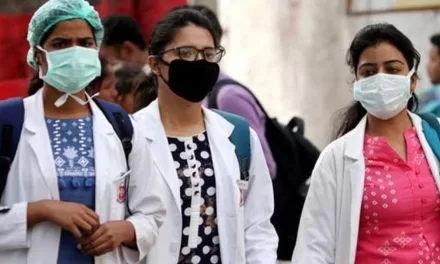
Beyond the immediate security and legal repercussions, incidents like this inflict substantial psychological stress on healthcare professionals involved or associated with such environments. Research shows that frontline healthcare workers (FHCWs) exposed to terrorism experience heightened levels of anxiety, acute stress symptoms (ASS), and media-induced traumatic stress, which can adversely affect their mental health and job performance.
A recent study surveyed FHCWs exposed to terrorist attacks, identifying significant correlations between direct exposure, high media consumption, and elevated anxiety and ASS. Notably, personal resilience and experience—such as over 25 years in the profession—were linked with lower psychological distress, suggesting resilience-building as a valuable protective strategy.
Healthcare workers in such scenarios face dual burdens: providing critical care under threat and coping with their own trauma and societal stigma. These effects can manifest as post-traumatic stress disorder (PTSD), depression, burnout, and impaired professional functioning if not addressed appropriately.
Expert Perspectives on Investigation and Mental Health
Security experts emphasize the importance of careful, evidence-based investigation to avoid undue stigmatization of medical professionals during counterterrorism operations. Mental health professionals advocate for integrated approaches that include mental health screenings, tailored support, and training to identify behavioral signs indicating potential security risks or psychological distress among healthcare workers.
For example, collaborative partnerships between law enforcement and mental health practitioners can improve threat management and reduce biases against healthcare workers with mental health issues, enhancing both security and well-being within medical institutions.
Public and Health System Implications
The Al Falah case reveals broader implications for the public health system and community safety. It underscores the need for heightened vigilance, stronger security protocols in medical institutions, and comprehensive mental health support for healthcare providers in terrorism-exposed areas.
Public confidence in healthcare systems can be shaken by associations with extremist activities, potentially leading to decreased healthcare access and disrupted services, as evidenced by lowered outpatient visits in this case.
Strategically, authorities should focus on policies that balance security concerns with safeguarding healthcare workers’ rights and mental health, fostering resilience-building programs that prepare healthcare personnel for crisis scenarios.
Limitations and Balanced Viewpoints
While investigations are ongoing, definitive links between all personnel under scrutiny and terrorist activities remain unproven. The risk of misjudging innocent medical staff based on circumstantial evidence or social biases calls for judicious handling to maintain institutional integrity and trust.
Furthermore, psychological research also reveals variability in individual responses to trauma, influenced by factors such as prior mental health, support systems, and exposure levels. Hence, generalized conclusions must be cautiously drawn, with attention to tailored interventions.
Practical Guidance for Readers
Healthcare workers and institutions should prioritize mental health resilience training and seek professional psychological support following exposure to traumatic events like terrorism. Awareness of stress and trauma symptoms can enable early intervention, mitigating long-term consequences.
For the general public, understanding the complex situation at Al Falah University highlights the importance of balanced, evidence-based media consumption and avoiding stigmatizing healthcare professionals who may be caught in broader security investigations.
Medical Disclaimer
This article is for informational purposes only and should not be considered medical advice. Always consult with qualified healthcare professionals before making any health-related decisions or changes to your treatment plan. The information presented here is based on current research and expert opinions, which may evolve as new evidence emerges.
References