 0
0
 0
0
New Delhi, November 2025 — Al-Falah School of Medical Sciences and Research in Faridabad has come under intense investigation by the National Medical Commission (NMC) following revelations that an assistant professor of the college was allegedly involved in the deadly car blast near Delhi’s historic Red Fort on November 10, 2025. The blast killed at least eight people and injured 20 others. This unsettling development has thrust the medical institution and its regulatory oversight into the spotlight as authorities probe links between staff members and terror activities.
Key Developments and Investigation Details
The NMC, India’s statutory medical regulatory body overseeing medical education and practice, is closely monitoring the ongoing inquiry into the incident. The alleged accused, Dr. Umar Mohammad—a suspected suicide bomber driving the explosive-laden vehicle—was an assistant professor at Al-Falah Medical College, having joined approximately 18 months ago. Reports indicate that he was part of a “white-collar terror module” involving doctors motivated to participate in terrorist plots, coordinated by groups such as Jaish-e-Mohammed and Ansar Ghazwat-ul-Hind, with operational connections spanning Jammu and Kashmir, Haryana, and Uttar Pradesh.
Several doctors linked to the blast—including Dr. Muzammil Shakeel and Dr. Shaheen Shahid—were arrested, and a large cache of explosives (approximately 2,900 kg) was seized in nearby Faridabad. Of notable concern is Room 13 in Building 17 of the Al-Falah campus, where the accused are believed to have convened meetings and planned the routes for transporting ammonium nitrate and other explosives. Authorities suspect that this room was a hub for coordinating terror activities.
The NMC has stated that it will take appropriate action based on investigation outcomes and statutory regulations governing medical institutions, emphasizing that the case is under active review and that any violations or breaches of conduct would be addressed accordingly.
Medical and Forensic Insights on the Blast
Forensic experts from Maulana Azad Medical College involved in victim examinations reported severe internal injuries consistent with a close-range explosion, including ruptured lungs, damaged eardrums, and fractured bones—with a predominance of upper-body trauma. Preliminary analysis suggests the use of a compact and powerful modified explosive device, combining ammonium nitrate with other high-grade explosive substances intended to maximize damage.
The blast’s timing and circumstances, just hours after arrests related to the suspected terror module, indicate that the device may have been prematurely detonated, possibly due to panic or improper assembly by the accused.
Expert Commentary and Context
Dr. Asha Menon, a retired professor of forensic medicine and an independent security analyst, commented: “The involvement of medical professionals in terrorism is deeply troubling, given the trust society places in healthcare providers. It highlights the imperative for rigorous background checks and ongoing vigilance within medical institutions, especially those that recruit from conflict-prone regions.”
She further noted that “The NMC’s regulatory framework must incorporate enhanced monitoring of faculty affiliations and activities, to preempt potential misuse of academic institutions as fronts for illicit agendas.”
Background: NMC’s Role and Medical College Regulation in India
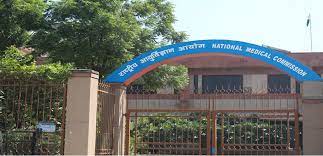
The National Medical Commission (NMC), established in 2020 to replace the Medical Council of India, regulates medical education, accreditation of medical schools, registration of practitioners, and assessment of medical infrastructure. It mandates minimum standards for admissions, curriculum, faculty qualifications, and infrastructure compliance across India’s more than 600 medical colleges.
The NMC has regulatory authority to investigate and act upon malpractice or breaches of conduct within medical institutions, including issues related to faculty affiliations and institutional governance. Any findings of complicity or negligence uncovered in the ongoing probe of Al-Falah Medical College could lead to sanctions ranging from faculty suspension to revocation of college recognition.
Public Health and Security Implications
The emerging link between a medical college and a terrorist incident raises multifaceted public health concerns. The potential for exploitation of trusted institutions for illicit behaviors threatens public confidence in the healthcare system. This case underscores the need for enhanced security protocols and cross-sector collaboration between health, law enforcement, and regulatory bodies to ensure that medical education environments remain safe and focused on training ethical, competent professionals.
Potential Limitations and Considerations
It must be noted that the investigation is still ongoing, and facts continue to emerge. The involvement of individual medical professionals should not tarnish the reputation of the broader medical community or institutions without due process. The NMC’s monitoring reflects a commitment to maintaining standards while awaiting conclusive evidence.
The complex nature of radicalization and security threats in India’s diverse socio-political context requires nuanced understanding and balanced administrative responses that uphold both security and educational integrity.
Practical Takeaways for Readers
For health-conscious consumers and the general public, this incident highlights the importance of vigilance in healthcare provider verification and institutional accountability. Regulatory bodies play a critical role in certifying institutional legitimacy and practitioner credentials to safeguard public health interests.
For institutions, this case serves as a cautionary tale motivating the adoption of robust recruitment vetting and internal surveillance mechanisms to detect and deter subversive activities.
Medical Disclaimer
This article is for informational purposes only and should not be considered medical advice. Always consult with qualified healthcare professionals before making any health-related decisions or changes to your treatment plan. The information presented here is based on current research and expert opinions, which may evolve as new evidence emerges.
References
-
Medical Dialogues, “Red Fort Blast: Al Falah Medical College under NMC scanner”, November 11, 2025, https://medicaldialogues.in/health-news/nmc/red-fort-blast-al-falah-medical-college-under-nmc-scanner-158533medicaldialogues