 0
0
 0
0
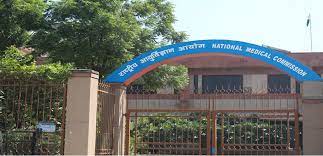
New Delhi, November 14, 2025 — Al Falah Medical College in Faridabad is currently embroiled in a serious controversy that threatens its standing with the National Medical Commission (NMC), the apex regulatory body for medical education in India. The turmoil follows a show-cause notice issued by the National Assessment and Accreditation Council (NAAC), a key statutory body responsible for accrediting higher education institutions, alleging false claims of accreditation on the university’s website. This comes amid an ongoing investigation linked to a deadly blast near the Red Fort in New Delhi, in which a few doctors affiliated with Al Falah University have come under suspicion.
Key Developments and Context
The National Assessment and Accreditation Council (NAAC) has formally questioned the university’s claims regarding accreditation status, stating that Al Falah University incorrectly displayed ‘A’ grade accreditation for its engineering and education institutions on its website, despite those accreditations having expired years ago (2016 and 2018, respectively). Moreover, the university itself reportedly never attained accreditation for the entire university entity under NAAC’s Cycle-1 Assessment and Accreditation process. NAAC’s show-cause notice demands removal of these claims and a response within seven days. The notice also asks why NAAC should not recommend withdrawal of the university’s recognition under sections 2(f) and 12B of the University Grants Commission (UGC) Act and advises the NMC to rescind recognition of the medical college’s programs.
The medical college’s predicament worsened as investigations into the November 10, 2025 blast revealed that Room 13 in Building 17 of the college, occupied by three doctors (including the primary accused), was allegedly used for terror-related planning and coordination. The college campus has thus become a focal point in the inquiry.
According to university representatives, the institution disavows any connection with the accused doctors beyond professional affiliation, denying the allegations aiming to malign its reputation.
Expert Perspectives
Dr. Anil Deshmukh, a veteran medical educationist and former member of the Medical Council of India (MCI), now subsumed under NMC, commented, “Recognition from the National Medical Commission is critical to maintaining educational and training standards. Any looming suspension or withdrawal of recognition usually reflects serious compliance failures or legal concerns. The current probes into Al Falah Medical College’s integrity and governance could potentially impact its accreditation status and thereby the validity of its medical qualifications.”
Medical education expert Dr. Shobha Menon added, “Misrepresentation of accreditation misleads students and stakeholders and undermines trust in the system. The NMC’s response will be vital to uphold the quality and credibility of medical education in India.”
Implications for Public Health and Medical Students
Should the NMC decide to withdraw recognition of Al Falah Medical College, students currently enrolled may face significant challenges, including the legitimacy of their medical degrees and complications in pursuing postgraduate training or medical registration. Loss of recognition would also impact the healthcare system’s trust in practitioners trained at the institution.
This situation further underscores the importance of transparency and adherence to accreditation norms in medical education institutions, which is essential not only for institutional credibility but also for safeguarding public health by ensuring well-trained healthcare professionals.
Limitations and Balanced View
It is crucial to note that the investigation is ongoing, and the university’s final status with the NMC remains undecided. The university has protested the show-cause notice and pledged cooperation. While the involvement of some doctors has raised alarm, the broader medical college community should not be prejudged. The administrative oversight related to expired accreditation does not directly imply academic or clinical malpractice but does question organizational compliance and governance.
Medical Regulatory Framework in India
The National Medical Commission (NMC) regulates all medical colleges in India and is responsible for recognizing valid medical qualifications. Recognition withdrawal typically follows non-compliance with infrastructure, faculty, or governance standards or legal infractions. The University Grants Commission (UGC) governs university-level accreditation, supplemented by NAAC assessments that gauge academic quality through a grading system. Al Falah University’s expired NAAC accreditation reflects procedural non-compliance but also affects its standing with these bodies.
Conclusion
Al Falah Medical College stands at a critical juncture with its NMC recognition under scrutiny following NAAC’s show-cause notice and the investigations linking doctors from the college to a terror attack. The outcomes will have broad ramifications for regulatory oversight of medical education, institutional accountability, and the educational prospects of students affiliated with the university. Close monitoring and transparent reporting of further developments will be essential.
Medical Disclaimer: This article is for informational purposes only and should not be considered medical advice. Always consult with qualified healthcare professionals before making any health-related decisions or changes to your treatment plan. The information presented here is based on current research and expert opinions, which may evolve as new evidence emerges.
References: