 0
0
 0
0
The latest analysis of the Global Burden of Disease (GBD) 2023 data reveals a stark and urgent public health crisis in Delhi: nearly 15 percent of all deaths in the city last year were linked to air pollution, equating to approximately 17,188 premature deaths. This means that one in every seven deaths recorded in Delhi during 2023 was attributed to the health impacts of ambient particulate matter pollution, positioning air pollution as the leading health risk for the capital’s residents.
Key Findings and Developments
The Institute for Health Metrics and Evaluation (IHME), a reputable global health research institution, released this comprehensive data highlighting the persistent and deadly burden of air pollution. Despite fluctuations year to year, deaths attributable to particulate matter have remained alarmingly high, even exceeding fatalities associated with other major risk factors such as high blood pressure and diabetes. For comparison, high systolic blood pressure accounted for 12.5 percent of deaths, diabetes for 9 percent, high cholesterol for 6 percent, and high body mass index for 5.6 percent in 2023 in Delhi.
The Centre for Research on Energy and Clean Air (CREA) further analyzed the data, emphasizing that air pollution should not be viewed solely as an environmental issue but as a profound public health crisis. CREA analyst Manoj Kumar urged the necessity of science-driven policies to substantially reduce pollution exposure and improve air quality to prevent the ongoing rise in pollution-related diseases, including respiratory illnesses, heart disease, stroke, and lung cancer.
Expert Perspectives and Commentary
Experts in pulmonology and environmental health stress that the fine particulate matter—especially PM2.5 particles—pose extreme health risks because they penetrate deep into the lungs and bloodstream, triggering inflammation and worsening chronic conditions. Dr. Randeep Guleria, former director of AIIMS, has warned that toxic air in Delhi is now responsible for more deaths than even the COVID-19 pandemic, adversely affecting not only respiratory health but also cardiovascular and neurological systems, alongside hampering children’s growth and development.
The link between air pollution and multiple non-communicable diseases (NCDs) is now irrefutable, with studies demonstrating how long-term exposure increases the risk of heart attacks, strokes, lung cancer, and chronic obstructive pulmonary disease (COPD). The burden also extends to emerging evidence on air pollution’s role in neurological diseases such as dementia.
Context and Background
Delhi remains one of the most polluted capitals globally, with an average PM2.5 level far exceeding the World Health Organization (WHO) safety limit of 5 micrograms per cubic meter. The 2023 World Air Quality Report ranks Delhi consistently among the most polluted cities in the world, exposed to particulate levels that pose immediate and long-term health threats.
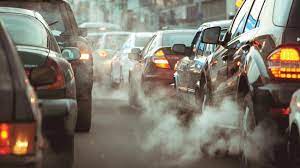
The problem arises from a combination of vehicle emissions, industrial pollutants, construction dust, stubble burning in neighboring states, and household combustion sources. Despite existing governmental interventions, air quality improvements have been slow, and the health consequences continue unabated.
Public Health Implications
The findings underscore an imperative for urgent, coordinated public health actions. Reducing air pollution in Delhi aligns not only with environmental goals but is foundational to preventing a growing share of premature deaths and chronic illnesses. The health care system also faces increased burdens from pollution-related diseases requiring chronic management.
For residents, embracing preventive measures—such as using air purifiers indoors during high pollution days, wearing certified masks outdoors, and avoiding strenuous outdoor activities when air quality indices are poor—can mitigate individual risk. However, systemic policy measures are vital to deliver population-wide health improvements.
Limitations and Counterarguments
While the IHME and GBD data represent some of the most rigorous epidemiological efforts globally, the Indian central government has expressed caution regarding direct attribution of deaths to air pollution, citing a lack of conclusive evidence. Nonetheless, independent research and global health authorities including the WHO maintain that particulate matter pollution is a critical health risk factor supported by robust scientific evidence.
It is also noted that air pollution interacts synergistically with other risk factors such as hypertension and diabetes, complicating isolated attribution but reinforcing the overall danger of the pollution burden.
Medical Disclaimer
This article is for informational purposes only and should not be considered medical advice. Always consult with qualified healthcare professionals before making any health-related decisions or changes to your treatment plan. The information presented here is based on current research and expert opinions, which may evolve as new evidence emerges.
References
- https://www.hindustantimes.com/cities/delhi-news/1-of-7-deaths-in-delhi-in-2023-linked-to-air-pollution-study-101761935470171.html
- https://health.economictimes.indiatimes.com/news/industry/15-per-cent-of-deaths-in-delhi-in-2023-linked-to-air-pollution-report/124994890