 0
0
 0
0
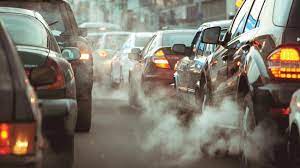
India’s air pollution crisis has escalated into a full-blown public health emergency, claiming over 1.6 million lives annually and costing the nation tens of billions of dollars in lost economic output each year. Despite the mounting toll, policy responses remain fragmented and underpowered, leaving millions vulnerable to the silent but deadly effects of toxic air.
A Deadly Toll on Health
The story of Bhola, a 36-year-old construction worker in Delhi, is tragically common. Exposed daily to hazardous levels of particulate matter (PM2.5 and PM10), Bhola died of a heart stroke—a fate shared by millions in India, where air pollution was responsible for 1.67 million deaths in 2019, accounting for 17.8% of all fatalities in the country, the highest proportion globally.
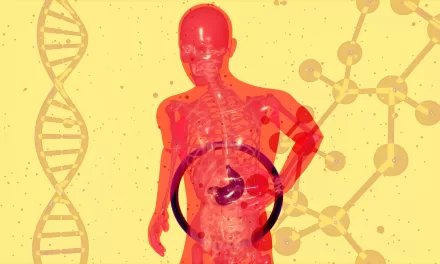
The impact of air pollution extends beyond respiratory illnesses. Experts warn that it can cause premature births, low birth weights, and impaired cognitive development in children. The invisible particles also strain the heart, kidneys, and brain, compounding the health burden across generations.
Economic Consequences: Billions Lost
The economic fallout is equally staggering. In 2019, healthcare costs linked to air pollution reached nearly $12 billion, while lost economic output due to illness and premature deaths amounted to $36.8 billion—together equaling 1.36% of India’s GDP. A separate estimate by consultancy Dalberg put the cost to Indian businesses at $95 billion, or 3% of GDP, due to reduced productivity and work absences. Consumer spending has also suffered, with annual losses of $22 billion attributed to reduced footfall and consumption. Delhi alone loses as much as 6% of its GDP each year to polluted air.
A World Bank analysis underscores the long-term impact: if India had halved its pollution over the past 25 years, its GDP would have been 4.5% higher by the end of 2023.
Policy Gaps and Patchwork Solutions
India’s efforts to combat air pollution have been reactive and insufficient. While programs like the Pradhan Mantri Ujjwala Yojana have reduced deaths from indoor pollution, the rise in outdoor pollution—mainly from vehicles and coal-fired power plants—has overshadowed these gains. The National Clean Air Programme (NCAP), launched in 2019, aims to reduce PM10 and PM2.5 levels by up to 40% by 2025–26 in 131 cities, but most measures have focused on dust management rather than addressing the more dangerous PM2.5 from combustion sources.
Institutional capacity is also a major hurdle. India’s Central Pollution Control Board employs just 500–600 people, compared to 17,000 at the US EPA, and the country has far fewer air quality monitoring stations than needed. Moreover, the NCAP lacks legal enforceability, undermining its effectiveness.
Lessons and the Way Forward
Experts argue that India needs a fundamental shift in approach, prioritizing emission reductions at the source. Structural reforms such as expanding affordable public transport, mandating pollution controls in thermal power plants, and improving emissions tracking are essential. International examples, like Beijing’s dramatic improvement in air quality and the US’s success since the Clean Air Act, demonstrate that economic growth and clean air can go hand in hand.
Technological innovations, such as Devic Earth’s Pure Skies, offer hope but remain in early stages. Ultimately, experts stress that the real challenge is not a lack of solutions but a lack of effective implementation and institutional commitment.
“There’s no dearth of emission control technologies—what’s lacking is effective implementation,” says Bhargav Krishna, convenor at Sustainable Futures Collaborative.
As India’s cities continue to choke under toxic skies, the cost of inaction grows steeper—both in lives lost and futures stifled.
Disclaimer:
This article is based on information compiled from Outlook Business and related sources as of June 2025. Figures and expert opinions are drawn from published studies and interviews cited in the referenced article. For the latest data and policy updates, readers are advised to consult official government releases and peer-reviewed research.