 0
0
 0
0
A major new clinical trial led by the All India Institute of Medical Sciences (AIIMS) has found that a single-pill combination of two widely-used blood pressure medications is significantly more effective than standard single-drug approaches, offering renewed hope to millions of people living with hypertension in India and across South Asia.
Key Findings
Researchers from AIIMS, Imperial College London, and the Centre for Chronic Disease Control (CCDC) compared three commonly prescribed two-drug combinations: amlodipine plus perindopril, amlodipine plus indapamide, and perindopril plus indapamide. More than 1,900 participants, aged 30 to 79 and representing both urban and rural populations from 35 hospitals across India, were enrolled in the two-year study.
All three combinations were found to be equally effective, resulting in substantial reductions in blood pressure. After six months, patients experienced:
-
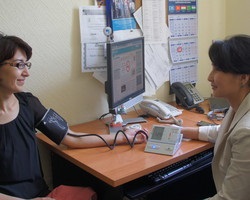
Ambulatory blood pressure (measured over 24 hours) dropped by an average of 14/8 mmHg.
-
Office (in-clinic) blood pressure readings decreased by about 30/14 mmHg.
Approximately 70% of participants achieved optimal blood pressure control (below 140/90 mmHg), a rate five times higher than current control rates in India using single-drug therapy.
Safety and Applicability
The study also confirmed the safety of these combination therapies: fewer than 3% of participants had to stop the medication due to side effects, indicating excellent tolerability. The results apply to a broad demographic, with the study including a substantial representation of women, older adults, and patients with coexisting conditions such as diabetes.
Implications for Hypertension Care
Experts say these findings could revolutionize hypertension treatment in South Asia, where BP control remains low despite the high prevalence of the disease. “A single daily pill containing two drugs not only improves blood pressure control but is also more convenient and safer for the majority of patients,” said Professor Ambuj Roy, lead investigator at AIIMS, Delhi.
The findings are expected to provide doctors and policymakers clear guidance on effective first-line hypertension treatments, potentially improving public health outcomes at a national scale.
Disclaimer:
This article summarizes findings from a recent clinical trial. The information presented is for educational and informational purposes only and does not constitute medical advice. Individuals should consult healthcare professionals before making any changes to their medication or treatment plans.