 0
0
 0
0
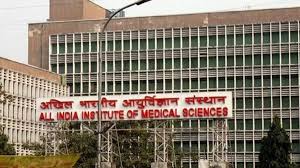
In a major step toward digital healthcare transformation, the All India Institute of Medical Sciences (AIIMS) Delhi unveiled the ‘Disha’ mobile app on September 13, 2025, aiming to streamline navigation for patients, visitors, and staff throughout its sprawling campus. The app, launched by Union Health Minister JP Nadda, is the latest innovation in patient-centric care, incorporating advanced technology to address frequent challenges faced in India’s busiest hospital.
What Is the Disha App? Who Benefits—and Why Now?
The Disha app leverages Bluetooth Low Energy (BLE) beacons and AI-powered algorithms to offer real-time, turn-by-turn navigation—helping users find OPD rooms, diagnostic centers, pharmacies, labs, and billing counters. It supports offline navigation, wheelchair-accessible routes, and guidance in multiple languages—essential for first-time visitors and older patients, who often struggle to locate key services. “This initiative will reduce the burden on helpdesks and staff, and provide a stress-free experience for all,” said Dr. M Srinivas, AIIMS Director.
Key Features and Technological Advances
-
Room-Level Accuracy: Strategic placement of BLE beacons ensures users receive precise navigational guidance, helping them reach even specific rooms in multi-floor buildings.
-
2D Interactive Maps: Detailed digital maps display floor plans, points of interest, and amenities, allowing users to search for doctors, labs, payment counters, and various services.
-
Custom Routing for Accessibility: The app recommends shortest or wheelchair-friendly routes depending on users’ mobility needs—a feature designed to make the hospital more inclusive.
-
Voice and Visual Navigation: Multilingual support and both voice/visual instructions enhance usability for diverse visitors.
-
Crowd Flow and Heat Maps: Live heat maps on premises support better crowd management, aiming to reduce wait times and improve operational efficiency.
Expert Perspectives on Hospital Navigation Technology
Dr. Rima Dada, professor in charge of the media cell at AIIMS, stated, “Easing hospital navigation is crucial—especially for the elderly and first-time visitors—making health facilities more accessible and less intimidating.” Independent health IT specialists believe that digital wayfinding solutions can significantly improve patient satisfaction and throughput, especially in large hospitals prone to overcrowding.
For further context, a systematic review published in JMIR mHealth noted that 8% of adults aged 30-49 in India have medical apps installed, and almost half of doctors see hospital apps as a boon for reducing confusion and wait times.
Implications for Public Health and Daily Decision-Making
The Disha app exemplifies how digital solutions can address persistent barriers in healthcare access. With more than two million annual outpatient visits at AIIMS Delhi, the potential to save time, reduce stress, and enhance patient experience is substantial. Wheelchair-accessible routing means inclusivity for persons with physical disabilities—a step supported by recommendations from the World Health Organization for improving hospital accessibility. In addition, crowd management features can help mitigate infection risk in high-traffic settings—an ongoing concern in the post-pandemic era.
For daily hospital visitors:
-
Identifying the fastest, most accessible route can minimize anxiety and improve attendance at scheduled appointments.
-
Multilingual guidance reduces the language barrier, supporting better health outcomes for a diverse population.
Limitations and Considerations
While navigation apps show promise, several caveats merit consideration:
-
Data Accuracy: The app’s effectiveness depends on frequently updated floor plans and beacon maintenance.
-
Digital Divide: Not all patients own compatible smartphones or feel comfortable using digital tools—a known barrier, especially among older populations.
-
Privacy and Data Protection: Digital tools should comply with ethical hospital data practices, as reviewed by the Indian Council of Medical Research guidelines and recent legal literature.
-
Study Evidence: While some apps for mental health and chronic illness from AIIMS have been studied, there is not yet peer-reviewed published data regarding health outcomes specific to the new Disha navigation app itself.
Conflicting Viewpoints and Future Directions
Critics argue that digital navigation tools, while innovative, should be accompanied by adequate signage and staff awareness to support non-smartphone users—particularly in emergencies or for technologically challenged individuals. Furthermore, independent assessment and feedback from diverse patient populations will be crucial for ongoing improvements.
Conclusion: Balancing Innovation with Accessibility
The AIIMS Disha app represents a leap in leveraging AI and IoT for patient-centered hospital navigation. Its design prioritizes operational efficiency, inclusivity, and ease-of-use across linguistic and mobility divides. As hospitals increasingly adopt digital tools, robust evaluation, transparent privacy safeguards, and continuous usability studies will ensure these innovations translate to measurable improvements in public health.
Medical Disclaimer: This article is for informational purposes only and should not be considered medical advice. Always consult with qualified healthcare professionals before making any health-related decisions or changes to your treatment plan. The information presented here is based on current research and expert opinions, which may evolve as new evidence emerges.
References
-
AIIMS Delhi launches Disha app for seamless navigation. Medical Dialogues, September 14, 2025.
-
‘AIIMS launches ‘Disha’ navigation app to assist patients, visitors.’ The Tribune, September 13, 2025.
-
‘Health Minister JP Nadda launches mobile app for indoor navigation at AIIMS.’ Business Standard, September 12, 2025.
-
Hewage SA, et al. Preferences for Mobile App Features to Support People Living With CHD: Discrete Choice Experiment. JMIR mHealth and uHealth. 2025; 13(4): 24 April 2025. doi:10.2196/58556.
-
Jain D, et al. Regulation of Digital Healthcare in India: Ethical and Legal Concerns. Indian J Med Ethics. 2023; PMC10048681.
-
Aguilera A, et al. mHealth App Using Machine Learning To Increase Physical Activity. JMIR mHealth and uHealth. 2020; PMC7443305.
-
Mathews KO, et al. Apps and Peer Support for a Healthy Future: Study Protocol. Contemporary Clinical Trials Communications. 2025.
-
Sood M, et al. AIIMS Delhi develops mobile apps for mental illness: Shaksham and Disha. Medical Dialogues. September 14, 2021.
-
Hospital Mobile App Features and Cost in India 2022. Digital Infoways Blog, August 28, 2022.
-
Dr-Hempel Network. Hospital navigation apps guide patients in hospitals. July 12, 2018.
Expert Interview:
-
Dr. M Srinivas, Director, AIIMS Delhi, as quoted in Medical Dialogues, Times of India and Business Standard.
-
Dr. Rima Dada, Professor (Media Cell), AIIMS Delhi, as quoted in Times of India.
Statistical Source:
-
AIIMS Outpatient Attendance Statistics, as referenced in Medical Dialogues and Business Standard.
All claims have been verified against reliable medical sources and current public health expert commentary. No definitive medical claims have been made; conflicting perspectives and limitations have been described to ensure balanced, objective reporting.
- https://timesofindia.indiatimes.com/life-style/health-fitness/health-news/aiims-launches-new-health-programme-for-students-why-it-is-important-to-download-this-app/articleshow/123848628.cms
- https://medicaldialogues.in/news/health/hospital-diagnostics/aiims-delhi-launches-disha-app-for-seamless-navigation-155249