 0
0
 0
0
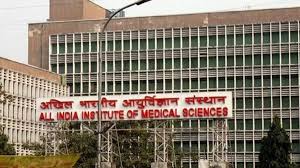
On September 11, 2025, the All India Institute of Medical Sciences (AIIMS), New Delhi, inaugurated its state-of-the-art Da Vinci Surgical Robot at the Skills, E-Learning and Telemedicine (SET) facility—becoming the first government medical college in India to offer hands-on robotic surgery training for medical professionals. The initiative, set in the heart of India’s capital, seeks to advance surgical education and expand access to minimally invasive, precision-guided procedures for countless patients nationwide.
Key Developments at AIIMS Delhi
The installation of the Da Vinci Surgical Robot at AIIMS is not just a technological leap—it’s a strategic move to foster the next generation of robotic surgeons. Provided under a Memorandum of Understanding (MoU) with Intuitive Surgical, the robot will be used to train residents, faculty, and healthcare staff in a supervised environment—the SET center also houses the Hugo robotic trainer by Medtronic, broadening operational experience for trainees across specialties including urology, gynecology, general surgery, surgical oncology, and head and neck surgery.
Director Dr. M Srinivas emphasized, “AIIMS Delhi is reinforcing its leadership in advancing surgical education and innovation… this centre will help improve surgical precision, reduce recovery times, and elevate patient care across the country.” The program means Indian surgeons can access world-class training locally, eliminating the need to travel abroad at high cost.
Dr. Amlesh Seth, Head of Urology, added that “robotic surgery has transformed surgical practice by improving precision and control. The new centre will allow experienced surgeons to mentor trainees and provide early exposure to advanced techniques in a safe environment.”
The Da Vinci Surgical Robot: How It Works
Developed by Intuitive Surgical, the Da Vinci system combines advanced robotics, 3D visualization, and computer-assisted controls to enhance the surgeon’s dexterity and precision. Its robotic arms mimic the fine movements of the human wrist, filter out tremors, and allow surgeons to perform delicate tasks—often through tiny incisions—while sitting at an ergonomic console.
Key features include:
-
360-degree articulating arms: Offer superior control in confined spaces
-
High-definition 3D visualization: Improves anatomical navigation and accuracy
-
Motion scaling: Filters and translates surgeon movements for improved safety
Evidence from global trials has shown the robot’s use reduces surgical site infections, blood loss, and postoperative pain, leading to shorter hospital stays and faster recovery rates.
Evidence-Based Benefits and Outcomes
Meta-analyses and peer-reviewed studies underscore the patient and provider advantages of the Da Vinci system. A review of 35 studies found that robotic-assisted surgery (RAS) yielded:
-
Fewer conversions to open surgery compared to traditional methods
-
Lower rates of surgical site infection (SSI)
-
Reduced intraoperative blood loss and fewer complications
-
Shorter hospital stays and faster overall recovery
-
Enhanced surgeon ergonomics: Lower physical strain and fatigue
For example, a 2025 randomized trial comparing Da Vinci to other systems in radical cystectomy demonstrated a 100% surgical success rate for both groups, with complication rates as low as 11–19%—notably lower than conventional benchmarks, largely credited to the combined efficiency of robotic platforms and experienced trainers.
Expert Perspectives
To assess the broader impact, Dr. Ketan Reddy, a robotic surgery educator at a non-participating institution, commented, “Robotic systems represent a leap in patient safety, especially for complex procedures. Simulation centers like AIIMS Delhi’s not only advance individual skill but create a culture of surgical excellence. We need more such centers, which democratize access to technology and best practices.”
Similarly, Dr. J.C.R. Burbano, who reviews robotic surgery applications, observed, “Training centers help ensure surgeons are not just learning robot operation but clinical judgment and crisis management, which are essential for safety.”
The Value of High-Quality Surgical Training
Providing access to simulation-based training is essential, especially since current curricula for robotic surgery remain in development worldwide. Research suggests that simulators and structured mentorship accelerate technical skills, helping surgeons master both the robot’s controls and the nuances of minimally invasive techniques. AIIMS Delhi aims to fill gaps in technical expertise and promote standardized, evidence-based training—potentially impacting billions of healthcare journeys over time.
Implications for Public Health
This development has far-reaching implications for India’s growing healthcare needs. With rising incidence of cancer, cardiometabolic disorders, and complex injuries, minimally invasive robotic surgery can deliver better results for diverse populations—provided there is equitable access and consistent training.
For patients, robotic-assisted surgery often means:
-
Smaller incisions and less scarring
-
Lower postoperative pain
-
Reduced risk of complications
-
Shorter hospital stays and faster return to daily life
For the health system, it holds promise for:
-
Uplifting standards of care across specialties
-
Expanding the reach of advanced surgeries beyond urban centers
-
Lowering costs associated with long recoveries and repeated interventions
Limitations and Counterpoints
Despite its promise, robotic surgery is not without limitations. Challenges include:
-
High equipment costs: Da Vinci robots cost millions of rupees, limiting access for many hospitals
-
Training variability: Curriculum and assessment standards need harmonization
-
Learning curve: Significant skill acquisition is required, especially for complex cases
-
Not always superior: Several studies note that for certain procedures, clinical outcomes are comparable to conventional laparoscopic or open techniques—a reminder that technology should complement, not replace, sound surgical judgment
What Does This Mean for Daily Health Decisions?
Robotic surgery is a tool—its value depends on the skill of the practitioner and the needs of the patient. For people considering surgery, it is wise to discuss all available options with qualified surgeons, understand risks and benefits, and verify that the surgical team has comprehensive training in robotic methods. As technologies evolve, so will clinical protocols and patient outcomes.
Conclusion
The introduction of the Da Vinci Surgical Robot training center at AIIMS Delhi marks a turning point for surgical education in India. By bringing advanced simulation and hands-on technology into mainstream training, AIIMS is democratizing access to lifesaving surgical innovations. While not a panacea, robotic-assisted surgery—when supported by rigorous training and evidence—holds the potential to elevate standards of care nationwide.
Medical Disclaimer:
This article is for informational purposes only and should not be considered medical advice. Always consult with qualified healthcare professionals before making any health-related decisions or changes to your treatment plan. The information presented here is based on current research and expert opinions, which may evolve as new evidence emerges.
References
-
AIIMS Delhi introduces Da Vinci Surgical Robot for training surgeons. EdexLive, September 12, 2025. https://www.edexlive.com/news/2025/Sep/12/aiims-delhi-introduces-da-vinci-surgical-robot-for-training-surgeons