 0
0
 0
0
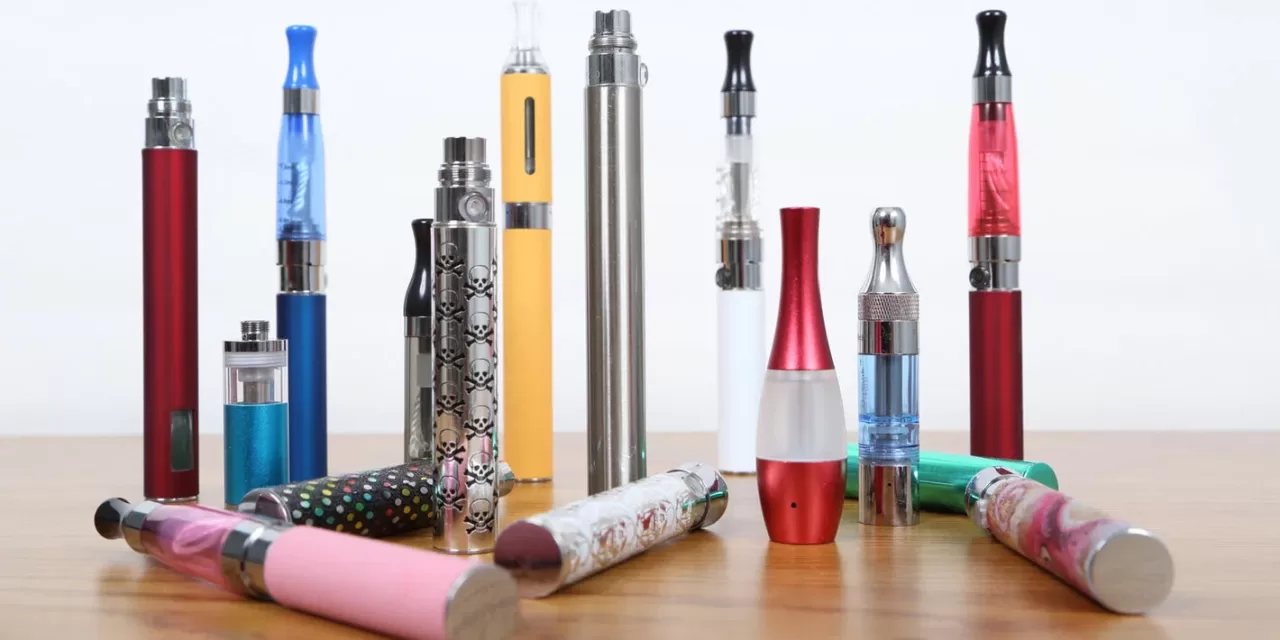
Researchers from the All India Institute of Medical Sciences (AIIMS), Delhi, have called for a reassessment of India’s prohibition on electronic nicotine delivery systems (ENDS), commonly known as e-cigarettes, which was enacted through the Prohibition of Electronic Cigarettes Act (PECA) in 2019. India’s policy currently bans the sale, storage, and manufacture of these devices.
Oncologists Dr. Abhishek Shankar and Dr. Vaibhav Sahni, in their recent commentary, argue that a complete ban may be counterproductive and could drive demand toward illicit marketing, making unregulated, potentially harmful products more accessible, especially to youth. They cited international experiences such as the United States’ outbreak of vaping-associated lung injuries linked to informal sources, and the United Kingdom’s harm reduction approach, where regulated e-cigarettes are used as tools for smoking cessation.
Dr. Shankar highlighted that ENDS, especially those containing nicotine, have demonstrated utility in helping smokers quit, with data supporting higher quit rates compared to standard care or non-nicotine alternatives. The researchers emphasized the need for regulatory measures such as advertising restrictions, packaging guidelines, and controls on nicotine levels to minimize risks.
The AIIMS doctors noted that ENDS remain available in India despite the legal ban, often through local shops and online platforms that do not reliably verify buyers’ ages. They warned that prohibitive policies might also deprive the government of potential tax revenue and could mirror the adverse outcomes seen in Indian states with total liquor bans, which led to illicit trade and health risks from spurious products.
“ENDS are a form of harm reduction and should be considered for their cessation benefits with strict legislation and caution,” Dr. Shankar stated.
Disclaimer: This article is based on public commentary and published research from AIIMS-Delhi. The information provided does not constitute medical advice or endorsement of e-cigarette use, and readers are encouraged to consult qualified health professionals and official government sources for guidance on smoking cessation and related health issues.