 0
0
 0
0
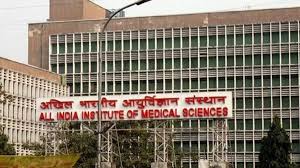
New Delhi: The National Human Rights Commission (NHRC) has directed the All India Institute of Medical Sciences (AIIMS), New Delhi, to investigate a complaint alleging that doctors at the institute bypassed official procurement norms by referring patients to a private vendor for brain implants. The NHRC has sought an action-taken report from AIIMS within 15 days, following a complaint from the Sahyadri Rights Forum, a non-governmental organization.
According to the complaint, doctors in the neuroradiology department at AIIMS provided patients or their caregivers with the contact details of a private vendor and instructed them to purchase a “flow diverter”—a stent-like device used to treat blood vessel disorders in the brain—directly from the vendor. This practice reportedly exposes patients to additional costs, as the device is available at regulated prices through approved institutional vendors.
The Telegraph reported that receipts from multiple patients indicate the private vendor charged Rs 595,550 plus taxes per device between 2022 and 2025. In contrast, the Central Government Hospital—Sree Chitra Tirunal Institute of Medical Sciences and Technology in Thiruvananthapuram—procured the same device for only Rs 475,000 plus taxes in 2023, as per a purchase price list. Both prices are below the maximum retail price of Rs 11.90 lakh for the device.
The complaint highlighted that this practice violates norms designed to protect patients from exploitation by medical suppliers. The NHRC, in its note to AIIMS Delhi’s Director and Medical Superintendent, stated that the allegations “prima facie seem to be serious violations of the human rights of the victims.” The Commission urged AIIMS to conduct a thorough investigation and take appropriate action.
A faculty member familiar with purchase regulations noted that the price difference between the two government hospitals contravenes the “fall clause,” which mandates uniform pricing across government institutes. Some faculty at AIIMS had previously raised concerns about patients being directed to private vendors, with one member alerting authorities in early 2024 about the potential for increased patient costs.
AIIMS Delhi had announced plans in 2023 to establish a centralized procurement system to promote transparency and streamline operations, moving away from the previous decentralized system that allowed departments to procure items independently.
The complainant has called for a detailed investigation, compensation for affected patients, and strict punishment for those responsible. The NHRC’s intervention underscores the seriousness of the allegations and the need for accountability in public healthcare procurement.
Disclaimer:
This article is based on information available from news reports and official complaints as of June 2025. While efforts have been made to ensure accuracy, the details may evolve as investigations proceed. Readers are advised to seek official statements or updates for the latest developments. The views expressed in this article do not constitute legal or medical advice1.