 0
0
 0
0
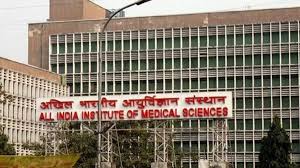
The All India Institute of Medical Sciences (AIIMS), New Delhi, has been officially designated as a World Health Organization (WHO) global network site for pandemic preparedness and emergency response under the Global Influenza Surveillance and Response System (GISRS). This significant development occurred in November 2025, placing AIIMS among an elite group of five selected sites within the WHO South-East Asia Region tasked with rapid investigations and studies during pandemics or epidemics involving emerging or re-emerging respiratory pathogens.
Key Developments and Function
This designation marks AIIMS as a critical hub in the WHO’s global strategy to strengthen preparedness and timely response to future pandemic outbreaks. The WHO’s Unity Studies, launched during the COVID-19 pandemic, are standardized research protocols aimed at rapidly collecting and sharing real-time data worldwide. These studies proved invaluable during the COVID-19 crisis to understand disease patterns and evaluate responses across countries with differing resources.
Building on the Unity Studies’ success, the WHO is establishing a global network of such sites to facilitate rapid studies and investigations during any future outbreak. AIIMS Delhi’s involvement ensures India’s health system contributes to, and benefits from, this accelerated public health research and response platform. Notably, the WHO network site at AIIMS will operate continuously, including during non-pandemic periods, supporting ongoing public health research, capacity building, training, and preparedness initiatives.
Expert Commentary
Dr. Puneet Misra, Professor of Community Medicine at AIIMS, emphasized that this network will enhance rapid evaluation of critical health tools supplementing routine disease surveillance, particularly in the early stages of a pandemic. He noted, “This network ensures that response readiness is immediate and evidence-based, ultimately protecting public health efficiently.”
Similarly, WHO Representative to India, Ms. Payden, highlighted the importance of AIIMS joining this select network, acknowledging India’s vital role in regional and global health security. The site inauguration was attended by leading institutional figures from AIIMS, further underlining the institutional commitment to pandemic preparedness and response.
Context and Background
The COVID-19 pandemic exposed critical gaps globally in pandemic preparedness, such as delays in data sharing, inequitable access to diagnostics, therapeutics, and vaccines, and the need for coordinated international response platforms. The WHO’s Global Influenza Surveillance and Response System (GISRS) is a longstanding global mechanism for surveillance of influenza viruses but has been adapted to address respiratory pathogens more broadly, with pandemic preparedness a central focus.
The new WHO Pandemic Preparedness and Emergency Response sites like AIIMS form part of a broader strategy to establish a legally binding pandemic agreement aimed at enhancing global health security through rapid research, equitable access to medical countermeasures, supply chain stabilization, and integration of a “One Health” approach linking human, animal, and environmental health.
Implications for Public Health
For healthcare professionals and the general public, AIIMS’s role as a WHO pandemic preparedness site means more robust and timely surveillance and research capacities within India. It enhances the ability to detect and respond to outbreaks early, potentially limiting disease spread and informing public health policies that improve population health resilience.
Regular research and training conducted at these sites during non-pandemic periods ensure sustained readiness of health systems, minimizing response delays when new pandemics occur. This commitment to preparedness also contributes to better coordination among health authorities, improving trust and compliance in public health measures.
Potential Limitations and Balanced Perspective
While the WHO network sites enhance pandemic preparedness, challenges remain in ensuring sustained funding, political commitment, and global cooperation. Effective use of such networks requires integration with local health infrastructure and transparency in data sharing. Furthermore, the complexity of emerging pathogens and socioeconomic disparities can limit the uniform effectiveness of such preparedness efforts worldwide.
Medical Disclaimer
This article is for informational purposes only and should not be considered medical advice. Always consult with qualified healthcare professionals before making any health-related decisions or changes to your treatment plan. The information presented here is based on current research and expert opinions, which may evolve as new evidence emerges.
References
-
“AIIMS, Delhi designated as WHO global network site for pandemic preparedness,” Economic Times Health News, November 17, 2025.
- https://www.newsonair.gov.in/who-launches-pandemic-preparedness-and-emergency-response-site-at-aiims-in-new-delhi/
- https://health.economictimes.indiatimes.com/amp/news/hospitals/aiims-delhi-designated-as-who-network-site-for-pandemic-preparedness/125378255