 0
0
 0
0
AIIMS Bhubaneswar has clinched the top national rank among government healthcare facilities for linking patient health records under the Ayushman Bharat Digital Mission (ABDM). The prestigious award, presented during a National Health Authority (NHA) ‘chintan shivir’ in Bhubaneswar on January 19-20, 2026, highlights the institute’s pioneering role in India’s digital health transformation.
Key Achievement Details
AIIMS Bhubaneswar recorded an impressive 42 lakh (4.2 million) health record linkages and generated 19 lakh (1.9 million) Ayushman Bharat Health Account (ABHA) tokens as part of ABDM implementation. Executive Director Dr. Ashutosh Biswas noted that this recognition underscores the institute’s commitment to citizen-centric digital healthcare, enabling paperless workflows and better continuity of care. The event, organized by the NHA under the Ministry of Health and Family Welfare, saw Odisha Chief Secretary Anu Garg present the award alongside institute leaders.
Health record linkage under ABDM securely connects patients’ digital medical records—such as OPD visits, lab reports, prescriptions, and discharge summaries—to their unique ABHA ID, always with patient consent. This process empowers individuals to access and share records seamlessly across ABDM-enabled apps and facilities nationwide.
Background on Ayushman Bharat Digital Mission
Launched in September 2021, ABDM aims to build an integrated digital health infrastructure across India, bridging gaps among citizens, providers, and systems through interoperable digital highways. Key components include the ABHA (a unique 14-digit health ID), Healthcare Facilities Registry (HFR), Healthcare Professionals Registry (HPR), and consent managers for secure data sharing.
As of late 2024, ABDM had registered over 400 million beneficiaries and linked 273 million health records, with 152,544 facilities—mostly government—using ABDM-enabled software. By early 2025, milestones like 25 crore (250 million) linked records demonstrated rapid scaling, particularly through integration with schemes like Ayushman Bharat PM-JAY. The mission supports telemedicine and continuity of care, especially in rural areas, aligning with India’s push for equitable healthcare post-COVID.
Expert Perspectives
Dr. Ashutosh Biswas emphasized how these linkages reduce patient queues via features like Scan & Pay and enhance efficiency at AIIMS Bhubaneswar. NHA CEO Rs. Prasad earlier highlighted that digitizing records empowers patients with portable histories, aiding clinical decisions without physical documents.
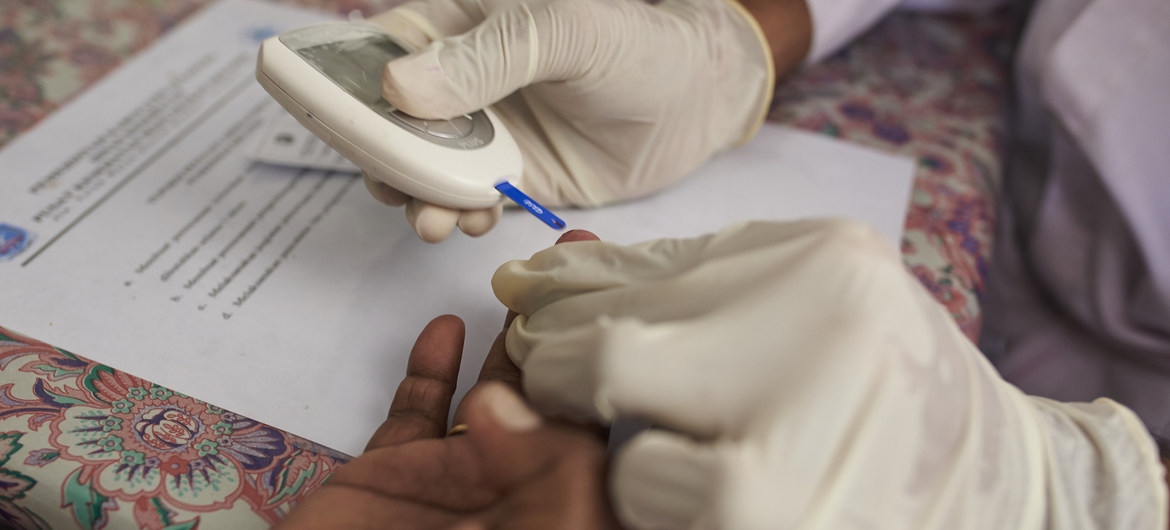
Independent experts praise the progress. Dr. Nikhil Kapoor, in a 2025 analysis, noted ABDM’s federated architecture ensures migrant workers—like those with tuberculosis or diabetes—carry records across states, cutting dropouts and repeat tests. A PubMed assessment lauds the mission’s control knobs for scaling registries and interoperability, though it calls for sustained investment.
Public Health Implications
This leadership by AIIMS Bhubaneswar sets a benchmark for other facilities, potentially accelerating ABDM adoption nationwide. Patients gain portable, paperless records, speeding check-ins, claims, and consultations—crucial for India’s 1.4 billion population with high mobility. For chronic conditions, seamless sharing prevents treatment gaps; for emergencies, quick access to histories improves outcomes.
On a broader scale, ABDM fosters data-driven policies, resource optimization, and telemedicine in remote areas, promoting health equity. With over 131,000 government facilities onboard, it bridges urban-rural divides, making quality care more accessible.
Challenges and Limitations
Despite gains, challenges persist. Digital literacy gaps in rural India hinder ABHA creation and usage, with only partial private sector buy-in (21,000 facilities vs. 131,000 public). Data privacy concerns arise, though ABDM mandates consent-based sharing via sandboxed architecture.
Critics point to scalability issues in interoperability across legacy systems and uneven state adoption. Cybersecurity risks, like breaches in health data, require vigilant monitoring, as emphasized in global digital health frameworks. Ongoing training and incentives are vital to sustain momentum beyond frontrunners like AIIMS.
Practical Takeaways for Readers
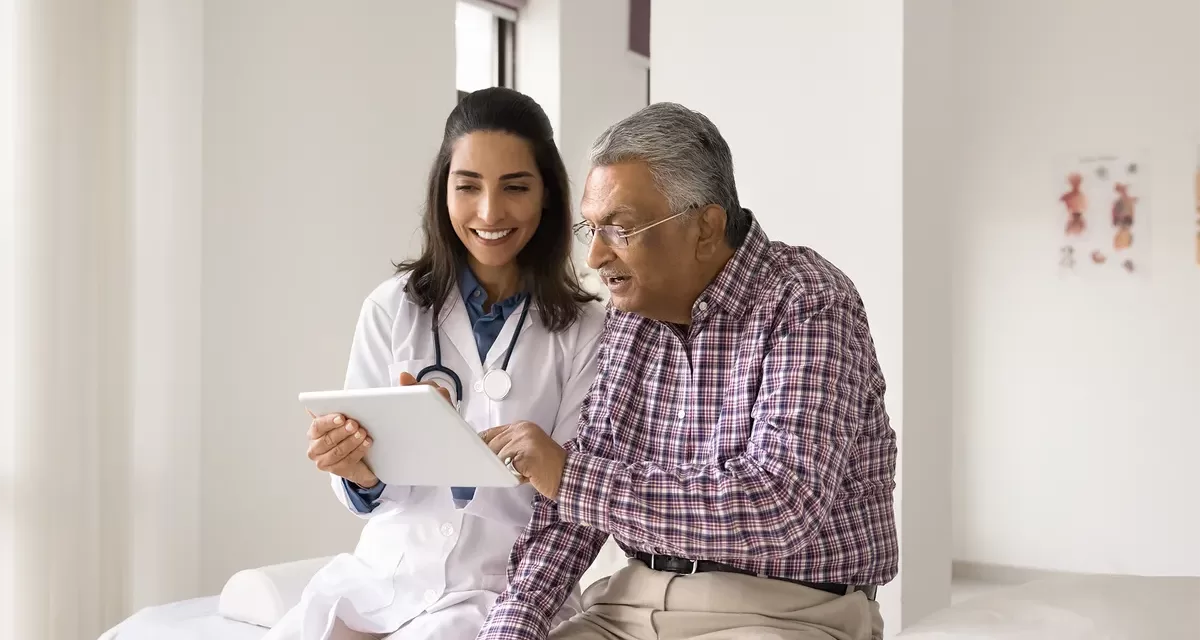
For individuals, creating an ABHA ID via the ABDM app or portal is free and straightforward—link your Aadhaar or mobile number to start. Patients at participating facilities can consent to link records during visits, gaining a lifelong digital health locker accessible anywhere.
Healthcare professionals benefit from comprehensive histories, reducing errors; consumers save time and costs on redundant tests. Track progress on the ABDM dashboard and use PHR apps for management. This positions everyday health decisions—like follow-ups or second opinions—within a secure, national ecosystem.
References
-
Economic Times Health. “AIIMS tops all-India rank for linking patient health records.” January 23, 2026. https://health.economictimes.indiatimes.com/news/hospitals/aiims-tops-all-india-rank-for-linking-patient-health-records/127353350
Medical Disclaimer: This article is for informational purposes only and should not be considered medical advice. Always consult with qualified healthcare professionals before making any health-related decisions or changes to your treatment plan. The information presented here is based on current research and expert opinions, which may evolve as new evidence emerges.