 0
0
 0
0
Date: December 16, 2025
BHOPAL — The All India Institute of Medical Sciences (AIIMS) Bhopal has removed the Head of the Department (HOD) of Emergency and Trauma Medicine following the critical suicide attempt of an Assistant Professor, a tragic event that has once again ignited a national conversation on workplace toxicity in India’s premier medical institutions.
The Assistant Professor, whose identity is being withheld to protect patient privacy, remains in critical condition on ventilator support after suffering severe neurological damage. The incident, allegedly precipitated by sustained administrative harassment and a toxic work culture, has prompted immediate administrative intervention and the formation of a high-level inquiry committee reporting directly to the Union Health Ministry.
The Incident: A Crisis in the Emergency Room
According to sources within the institute, the Assistant Professor attempted to end her life by self-administering a high dose of an anesthetic agent via an intravenous line she had inserted earlier at the hospital. Her husband, a fellow medical professional, discovered her unconscious at their residence.
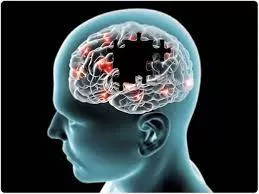
Despite immediate CPR which restored her heartbeat after approximately seven minutes of cardiac arrest, the prolonged oxygen deprivation resulted in “Global Hypoxic Brain Injury.” An MRI conducted 72 hours post-incident confirmed extensive damage to brain cells, leaving the young faculty member fighting for her life in the very ICU she helped staff.
Allegations of Harassment and “Serious Misconduct” Notices
The catalyst for this extreme step appears to be a series of administrative conflicts. Reports indicate that on September 10, 2025, the doctor was served a “Serious Misconduct” notice, which she described in her written response as “painful, insulting, and mentally disturbing.”
The dispute reportedly centered on her application for academic leave to attend a professional conference scheduled for late September. Although she had informed the faculty group in August—evidence of which was submitted via screenshots—she was marked absent and served a notice. Further allegations suggest a pattern of exclusionary behavior, including a directive that required faculty members to seek prior appointments to meet the HOD, a move that alienated staff and heightened internal tensions.
“She was not just a doctor; she was a victim of a systemic failure where administrative power was weaponized against academic freedom,” stated a senior resident at AIIMS Bhopal who requested anonymity.
Administrative Crackdown
In response to the outrage and the gravity of the situation, AIIMS Bhopal management, following an emergency meeting with Union Health Ministry officials, removed the HOD from his position. He has been temporarily attached to the Department of Anesthesiology while a confidential high-level committee investigates the allegations.
The committee’s mandate includes examining:
-
Charges of workplace harassment and excessive administrative pressure.
-
The culture of issuing strongly worded “show-cause” notices for minor procedural contentions.
-
Previous complaints filed by other faculty members against the same HOD.
A “Silent Epidemic” in Indian Healthcare
This tragedy is not an isolated event but a symptom of a pervasive crisis in Indian medical education. A robust body of data points to deteriorating mental health among medical professionals.
A landmark survey conducted by the Federation of All India Medical Association (FAIMA) in October 2025 revealed alarming statistics:
-
40% of medical students and professionals described their work environment as “toxic.”
-
73% reported excessive workloads that compromised patient care and personal health.
-
58% felt unsafe in their workplace due to administrative or physical threats.
Furthermore, a National Medical Commission (NMC) report from 2024 highlighted that nearly 31.2% of postgraduate students reported suicidal ideation, yet stigma and fear of career repercussions prevent many from seeking help.
“We are trained to save lives, but the system often forgets to save ours,” said Dr. Vignesh Rajendran, a representative from a national resident doctors’ association. “When a faculty member at an institute of national importance is driven to suicide, it shatters the illusion that seniority protects you from harassment. We need structural reform, not just reactive committees.”
Implications for Public Health
The health of healthcare providers is intrinsically linked to patient safety. A workforce operating under chronic stress, fear of retribution, and burnout is prone to errors, reduced empathy, and attrition. The removal of the AIIMS HOD sends a strong signal that institutional leadership will be held accountable, but experts argue that systemic changes—such as mandatory mental health screenings for faculty, transparent grievance redressal mechanisms, and strictly enforced anti-harassment guidelines—are long overdue.
Conclusion
As the medical fraternity prays for the recovery of the Assistant Professor, the incident stands as a somber indictment of the hierarchical and often punitive culture within medical colleges. While the removal of the HOD is a necessary first step, it remains to be seen if this tragedy will catalyze the deep-rooted cultural shift required to prevent future losses.
Medical Disclaimer: This article is for informational purposes only and should not be considered medical advice. Always consult with qualified healthcare professionals before making any health-related decisions or changes to your treatment plan. The information presented here is based on current research and expert opinions, which may evolve as new evidence emerges.
References
-
Saha, A. (2025, December 15). AIIMS Bhopal removes Emergency Dept HOD after Assistant Professor’s suicide attempt. Medical Dialogues.