 0
0
 0
0
New Delhi, Jul 17 — In a landmark development for cardiovascular medicine, researchers in the United States have announced the creation of an artificial intelligence (AI) tool that dramatically enhances the early detection of structural heart disease—relying solely on standard, widely available electrocardiograms (ECGs).
A Leap Forward in Heart Disease Diagnosis
The AI system, dubbed EchoNext and developed by Columbia University scientists, has demonstrated superior accuracy in spotting hidden heart abnormalities compared to human cardiologists, according to a recent study published in Nature.
Structural heart disease—spanning conditions such as valve disorders, congenital defects, and cardiomyopathies—remains a major global health challenge. Millions are affected, but many cases go undiagnosed, primarily because affordable, routine screening tools are lacking.
“We have colonoscopies and mammograms for other diseases, but no comparable routine test for structural heart conditions,”
— Dr. Pierre Elias, Assistant Professor of Medicine and Biomedical Informatics, Columbia University Vagelos College of Physicians and Surgeons
How EchoNext Works
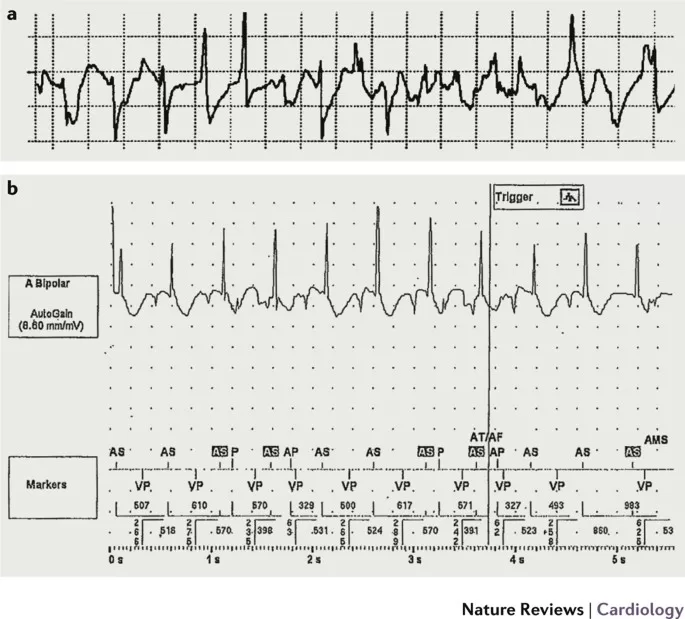
EchoNext leverages deep learning to interpret information from basic ECG scans and identify which patients might benefit from additional echocardiography—a far more expensive ultrasound-based imaging procedure. The AI detects nuanced patterns in ECGs that typically elude even seasoned cardiologists.
“It’s like using the cheaper test to decide who truly needs the more expensive one. The AI identifies patterns that even experienced cardiologists can’t detect from ECGs alone,” explained Dr. Elias.
Rigorous Training and Testing
-
Trained on a massive dataset:
-
Over 1.2 million ECG-echocardiogram pairings
-
Data sourced from 230,000 patients
-
-
Tested in four hospital systems, including several NewYork-Presbyterian sites.
Outperforming Human Experts
In a direct comparison, 13 cardiologists read 3,200 ECGs alongside EchoNext. The results:
| EchoNext | Human Cardiologists | |
|---|---|---|
| Detection Rate | 77% | 64% |
Diseases EchoNext can flag with high accuracy:
-
Heart failure due to cardiomyopathy
-
Heart valve disorders
-
Pulmonary hypertension
-
Severe thickening of heart walls
Transforming Routine Care
With more than 400 million ECGs performed worldwide each year, researchers believe EchoNext could convert this common diagnostic tool into a gateway for timely and life-saving detection of serious heart diseases.
“Each ECG could become a gateway to early detection and timely intervention,” Dr. Elias said. “This isn’t just AI for convenience — it’s AI for saving lives.”
Disclaimer:
The information reported here is based on preliminary research findings and should not be interpreted as medical advice. EchoNext, while promising, is currently in the research and validation stage, and is not a substitute for evaluation by qualified healthcare professionals. Patients should consult their doctors regarding heart health and diagnostic options.