 0
0
 0
0
Beijing, China – April 22, 2025
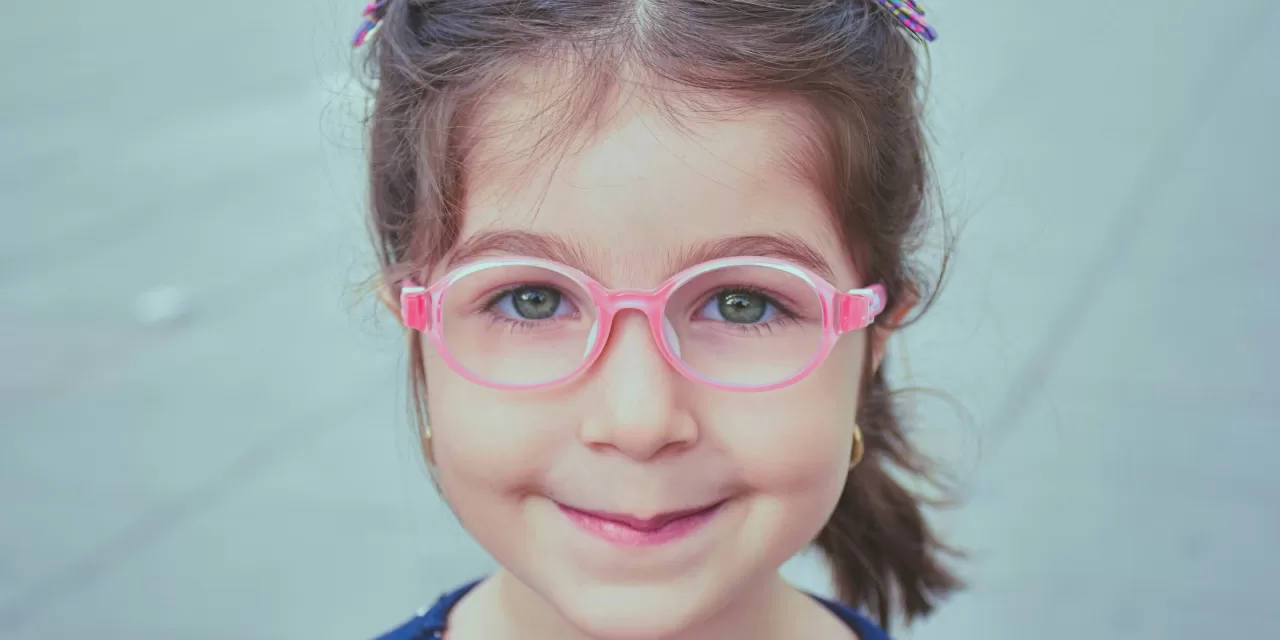
The global rise in myopia, or nearsightedness, presents a significant public health challenge, currently affecting over two billion people and projected to impact nearly half the world’s population by 2050. As experts grapple with this escalating issue, Artificial Intelligence (AI) is emerging as a promising tool for early detection, risk assessment, and management, potentially mitigating the severe vision impairment and quality of life disruptions caused by uncorrected myopia.
A comprehensive literature review, published on March 18, 2025, in the journal Pediatric Investigation, delves into the burgeoning role of AI in combating nearsightedness. Authored by Dr. Li Li, Dr. Jifeng Yu, and Dr. Nan Liu from the Department of Ophthalmology at Capital Medical University, China, the review highlights how sophisticated AI technologies like machine learning (ML) and deep learning (DL) can be harnessed to improve patient outcomes.
Myopia, particularly high myopia, carries significant risks, including complications that can lead to permanent vision loss. Early diagnosis is therefore critical. The review outlines several ways AI is already being applied:
-
Enhanced Detection: AI models trained on vast datasets of eye images (such as fundus photos and optical coherence tomography scans) can learn to identify subtle retinal changes indicative of myopia, often before they are easily apparent to the human eye. Furthermore, AI algorithms integrated into handheld devices like the SVOne wavefront sensor can analyze refractive errors, while others, like those in the Vivior monitor, can track visual behaviors in children (e.g., time spent on near-vision tasks) that may signal the onset of myopia – crucial for early intervention.
-
Sophisticated Risk Assessment: ML algorithms, including support vector machine, logistic regression, and XGBoost, can analyze complex longitudinal data encompassing genetics, family history, environmental factors, and physiological parameters. “An XGBoost-based model… allows it to learn the outcomes and associated risk factors of myopia in numerous patients. This, in turn, allows the model to assess the risk factors of new patients,” explains Dr. Li Li, one of the review’s authors.
-
Predictive Modeling: By processing extensive biometric data, treatment responses, and ocular images, AI can be trained to predict how an individual’s myopia might progress and what the likely outcomes will be. This predictive power can help clinicians tailor treatment strategies and inform public health policies aimed at myopia control.
Despite its immense potential, the integration of AI into myopia care faces hurdles. The researchers emphasize the critical need for high-quality, unbiased training data. Models trained primarily on data from large hospitals may not accurately reflect patient populations in smaller clinics. Additionally, the “black box” nature of some AI models – where the reasoning behind a diagnosis isn’t easily explained – can be a barrier to acceptance by medical professionals. Finally, ensuring the privacy and security of the vast amounts of patient data required for AI training remains a paramount concern.
“While our study highlights the remarkable progress made in the clinical application of AI in myopia, further studies are needed to overcome the technological challenges,” concludes Dr. Jifeng Yu. He stresses the importance of “building high-quality datasets, improving the model’s capacity to process multimodal image data, and improving human-computer interaction capability” to realize the full potential of AI in preventing and controlling myopia worldwide.
As the prevalence of nearsightedness continues its upward trend, the development and refinement of AI tools offer a beacon of hope for improved diagnosis, personalized treatment, and ultimately, better vision health for billions globally.
Disclaimer: This news article is based on information provided regarding a literature review published in Pediatric Investigation on March 18, 2025, authored by Nan Liu, Li Li, and Jifeng Yu. The development and application of AI in healthcare are rapidly evolving fields.