 0
0
 0
0
A new wave of artificial intelligence (AI) tools is significantly improving the early detection of congenital heart defects (CHDs) during routine prenatal ultrasounds, offering hope for better neonatal outcomes and timely interventions. According to recent studies, AI-assisted software helps clinicians spot heart anomalies more accurately and efficiently than traditional methods, regardless of a physician’s level of experience or specialty.
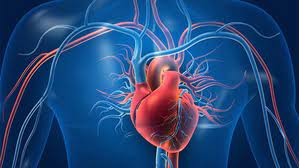
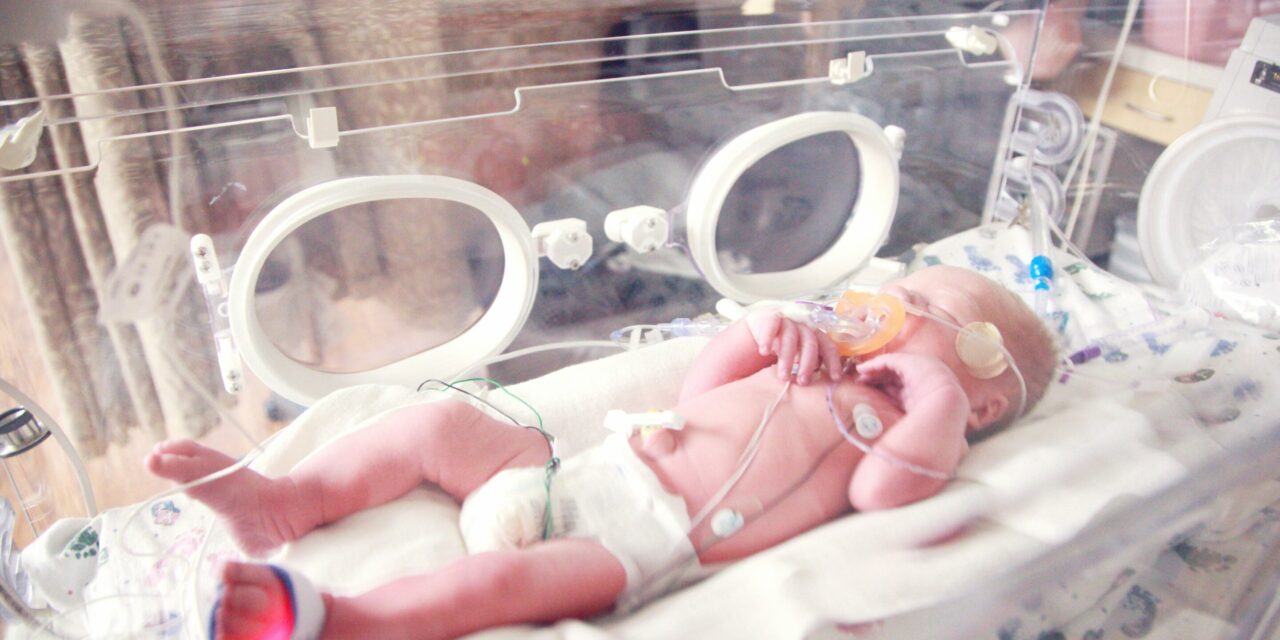
Congenital heart defects—structural abnormalities of the heart present at birth—affect approximately 1 in 4 babies with heart defects in a way severe enough to require surgery or urgent medical treatment within the first year of life. Despite advances in medical imaging and prenatal care, many CHDs often go undetected during standard ultrasounds, especially when performed by non-specialists.
Researchers have developed AI-driven software designed to assist clinicians in interpreting prenatal ultrasounds. These algorithms analyze complex cardiac ultrasound images, segment anatomical structures, and provide suggestions for potential diagnoses. In recent large-scale studies:
-
: AI algorithms detected congenital heart defects with 95%–96% accuracy, surpassing traditional diagnostic rates of 88%–90%.
-
: Physicians using AI tools reported higher confidence and faster decision-making when determining if a heart defect was present.
-
: Improvements in detection were observed among both OB-GYNs and maternal-fetal medicine specialists.
The AI systems demonstrated high sensitivity and specificity, even during first-trimester screenings, and proved effective in detecting various types of CHDs, such as tetralogy of Fallot, hypoplastic left heart syndrome, and ventricular septal defects.
Since most CHDs occur in pregnancies considered low risk—where ultrasounds are often performed by general practitioners rather than specialists—introducing AI has the potential to bridge expertise gaps. Experts believe that AI-enabled tele-echocardiography could further extend access to quality prenatal screening in low-resource settings.
While the future of AI-enhanced prenatal screening is promising, experts caution that broader adoption will require overcoming challenges such as the need for large, standardized datasets and ensuring ethical integration into clinical workflows. Larger multicenter trials and robust validations continue to be essential before widespread implementation.
“Our findings show that AI-based software significantly improved detection of ultrasounds that were suspicious for congenital heart defects not only among OB-GYNs but also among maternal-fetal medicine subspecialists. This has a tremendous impact in terms of neonatal outcomes and has the potential to change clinical practice.”—Dr. Jennifer Lam-Rachlin, Icahn School of Medicine at Mount Sinai.
This article is for informational purposes only and is not a substitute for professional medical advice, diagnosis, or treatment. Always consult your physician or a qualified healthcare provider with any questions or concerns you may have regarding a medical condition or discussed technology.