 0
0
 0
0
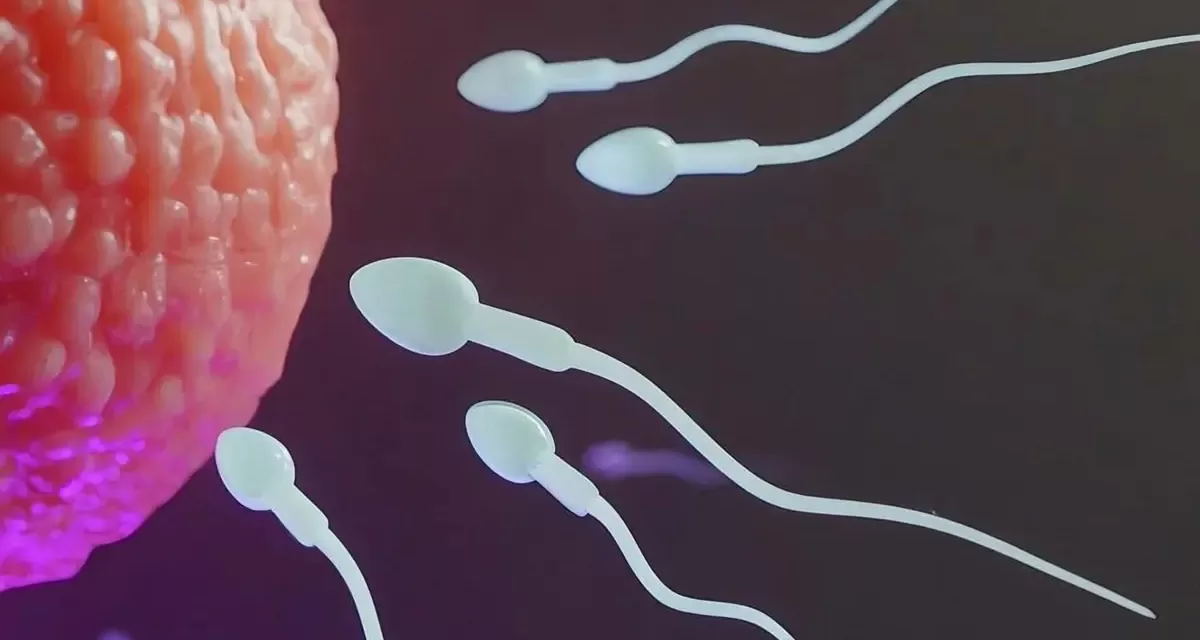
Researchers have described in The Lancet how an artificial intelligence (AI) algorithm helped a US couple conceive after 19 years of infertility by identifying two viable sperm cells from over 2.5 million images of a semen sample previously considered azoospermic, meaning containing no visible sperm. This case, involving a 39-year-old man and a 37-year-old woman, follows multiple failed in vitro fertilization (IVF) treatments and surgical sperm extraction attempts. The AI-driven method, called Sperm Tracking and Recovery (STAR), uses high-powered imaging combined with AI to scan semen samples rapidly and accurately, detecting rare sperm that conventional methods miss. Using two motile sperm identified by STAR, fertilization and embryo implantation led to a successful pregnancy confirmed by ultrasound. Early findings point to potential for STAR to revolutionize treatment for men with extreme male infertility, reducing invasive surgeries and offering new hope to many couples.
Breakthrough in Treating Extreme Male Infertility
Azoospermia, a condition where no sperm cells appear in ejaculate under microscopy, affects many men with infertility. Traditional options have relied heavily on surgical sperm retrieval from testes, a procedure fraught with risks such as inflammation, vascular issues, or reduced testosterone levels. Despite these interventions, success rates remain low, and many couples face emotional and financial exhaustion from repeated unsuccessful treatments.
The STAR system fundamentally shifts this paradigm. Using tiny microfluidic channels and robotic extraction, STAR isolates rare sperm directly from the ejaculate. The AI scans millions of images rapidly—over 2.5 million in this case within approximately two hours—locating both motile and non-motile sperm cells that were invisible through manual examination. This approach eliminates the need for invasive surgery and can increase the chances of finding viable sperm in even the most challenging cases.
How STAR Works: The Role of AI and Automation
STAR combines advanced microscopy, AI algorithms, and robotics. High-resolution imaging captures hundreds of thousands to millions of images of semen samples in minutes. The AI system analyzes these images in real time, differentiating sperm cells from cellular debris and other non-sperm components with high precision. Once viable sperm are identified, the system’s robotic arm carefully extracts them for use in IVF procedures such as intracytoplasmic sperm injection (ICSI), where sperm is directly injected into eggs.
Dr. Zev Williams, director of Columbia University Fertility Center and lead author of the study, highlighted the significance: “Many couples with male-factor infertility are told they have little chance of having a biological child. STAR offers a minimally invasive alternative to surgery and has the potential to increase success rates”.
Context and Implications for Public Health
Infertility affects roughly one in six couples worldwide, with male factors accounting for about 50% of cases according to the World Health Organization. Azoospermia is a leading cause of male infertility and often leaves couples with scarce options. This successful use of AI to detect extremely rare sperm cells directly in ejaculate offers a new frontier in fertility treatment.
If validated in larger clinical trials, the STAR method could reduce the physical burden and costs associated with surgical sperm retrieval, streamline IVF workflows, and improve overall success rates. Furthermore, the AI approach exemplifies the growing intersection of machine learning and reproductive medicine, with potential applications including embryo selection, prediction of IVF success, and personalized treatment protocols.
Limitations and Future Directions
While this breakthrough case is encouraging, it is essential to acknowledge limitations. The findings stem from a single case report, and broader clinical validation is needed to confirm efficacy, safety, and reproducibility across diverse populations. Moreover, factors such as sperm quality beyond motility, long-term health of offspring, and cost-effectiveness must be carefully studied.
Experts caution that AI in assisted reproduction complements but does not replace the expertise of clinicians and embryologists. Ethical considerations around data privacy, equitable access, and the psychological impact on patients require attention as these technologies evolve.
Expert Perspectives
Dr. Emily Chen, a reproductive endocrinologist unaffiliated with the study, says: “This use of AI is a game-changer, particularly for men with non-obstructive azoospermia. It’s crucial, however, that we remain cautious and await results from larger trials before routine clinical adoption.” She notes the promise of less invasive procedures could dramatically improve patient experiences.
Similarly, Dr. Raj Patel, a fertility specialist, emphasizes: “AI-driven tools like STAR can transform infertility treatment by providing precision and efficiency we have not seen before. They also highlight the importance of interdisciplinary collaboration between data scientists and clinicians.”.
Practical Takeaways for Patients
For couples struggling with male infertility, especially azoospermia, emerging AI technologies could soon offer new diagnostic and treatment options. Patients should consult fertility specialists about the availability of such technologies and discuss their potential benefits and risks.
Maintaining realistic expectations is vital, as no method guarantees success. However, the development of AI-enhanced sperm detection symbolizes hope for those previously told conception was unlikely, underscoring the importance of ongoing research and innovation in reproductive medicine.
Medical Disclaimer
Medical Disclaimer: This article is for informational purposes only and should not be considered medical advice. Always consult with qualified healthcare professionals before making any health-related decisions or changes to your treatment plan. The information presented here is based on current research and expert opinions, which may evolve as new evidence emerges.
References
This article presents a balanced, evidence-based overview of a major advance in infertility treatment driven by AI technology, addressing public health significance, clinical context, expert insight, and practical implications for patients. It responsibly promotes hope tempered by scientificcientific rigor.