 0
0
 0
0
Three major Indian cities — Ahmedabad, Mumbai, and Bengaluru — have joined a global coalition of 33 cities committed to protecting residents from the increasing threat of extreme heat caused by climate change. Announced at the C40 World Mayors Summit in Rio de Janeiro in November 2025, this initiative, known as the Cool Cities Accelerator, aims to redesign urban environments to withstand rising temperatures and strengthen public health resilience by the year 2030.
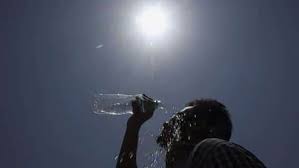
Extreme heat is currently the deadliest weather-related hazard worldwide, responsible for nearly half a million deaths annually, according to the coalition. Indian metropolitan cities have witnessed temperatures soaring beyond 45°C in recent summers, putting millions of residents at risk. Without urgent action, the number of people exposed to life-threatening heat in urban areas could increase fivefold by 2050.
Key Developments and Goals
The Cool Cities Accelerator, supported by The Rockefeller Foundation, mobilizes global adaptation and resilience funding of USD 50 million for cities facing climate risks. It offers a science-based framework to help local governments implement immediate and long-term strategies to shield people, economies, and infrastructure.
In the short term, participating cities will be encouraged to:
-
Establish leadership and coordination on heat response measures.
-
Enhance early warning systems for heat emergencies.
-
Ensure access to cooling centers and hydration during heatwaves.
Over a five-year horizon, the focus will shift to:
-
Improving building standards to reduce heat absorption and increase energy efficiency.
-
Expanding urban tree cover and green spaces to lower ambient temperatures.
-
Strengthening critical infrastructure to withstand extreme heat events.
Expert Perspectives
Elizabeth Yee, Executive Vice President of The Rockefeller Foundation, emphasized, “Extreme heat is no longer a distant threat—it’s a daily reality affecting the lives and livelihoods of millions around the world. Through the Cool Cities Accelerator, we’re proud to support mayors investing in bold, science-based solutions to future-proof health systems and build a cooler, safer future for all.”
Mark Watts, Executive Director of C40 Cities, noted that extreme heat days above 35°C in major capitals have risen by 54% over the past two decades, affirming the urgent need for practical urban adaptations to improve livability and protect vulnerable populations such as the elderly, outdoor workers, and those without access to air conditioning.
Public Health Implications
Extreme heat poses direct health risks including heat exhaustion, heatstroke, and exacerbation of cardiovascular and respiratory diseases. Vulnerable populations face disproportionate risks, and heatwaves strain health services and emergency response systems. Access to cooling, hydration, and timely medical care can largely prevent heat-related deaths.
By integrating advanced early warning systems and community-focused cooling solutions, cities can mitigate these health risks. Urban redesign to increase green cover and alter building materials can reduce the urban heat island effect that intensifies heat exposure in dense areas.
Context and Background
India’s rapid urbanization combined with changing climate patterns has intensified heat-related challenges. Cities with high population densities, inadequate green spaces, and heat-retentive infrastructure face greater risks. The Cool Cities Accelerator builds on earlier successful models such as Ahmedabad’s pioneering Heat Action Plan, which demonstrated that coordinated city responses can significantly reduce heat-related mortality.
Potential Limitations and Counterarguments
While these initiatives offer promising frameworks, their effectiveness depends on sustained political will, adequate funding, and community engagement. Implementation challenges include balancing urban development with green infrastructure expansion and ensuring equitable access to cooling resources. Critics caution that technology-based cooling solutions can increase energy consumption unless paired with sustainable energy strategies.
Practical Takeaways for Readers
For residents in heat-prone areas, practical daily steps include staying hydrated, avoiding outdoor activities during peak heat hours, seeking shade or air-conditioned environments, and monitoring local heat warnings. Urban residents can advocate for increased green spaces and support policies aimed at climate resilience.
Conclusion
Ahmedabad, Mumbai, and Bengaluru’s inclusion in the global Cool Cities Accelerator marks a critical advance in urban heat resilience for India. Combining scientific rigor with community-focused interventions offers hope for mitigating the escalating health impacts of extreme heat amid global climate change.
Medical Disclaimer: This article is for informational purposes only and should not be considered medical advice. Always consult with qualified healthcare professionals before making any health-related decisions or changes to your treatment plan. The information presented here is based on current research and expert opinions, which may evolve as new evidence emerges.
References:
-
Economic Times. “Ahmedabad, Mumbai, Bengaluru join global effort to protect residents from extreme heat.” Published November 4, 2025.