 0
0
 0
0
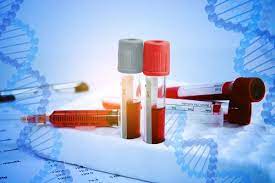
New Delhi, June 22 — The Indian Council of Medical Research (ICMR) has introduced a new generation of simple and affordable point-of-care (POC) test kits, significantly enhancing the diagnosis and management of genetic blood disorders such as Haemophilia A, von Willebrand disease (VWD), and sickle cell disease (SCD) across the country.
These disorders, which are often inherited and can lead to severe health complications, have historically been underdiagnosed in India due to the high cost and limited availability of specialized testing. Haemophilia A alone affects an estimated 136,000 individuals, but only a small fraction are currently diagnosed and registered. Similarly, VWD is estimated to affect 1 in 12,000 people in some regions, and SCD is especially prevalent among tribal populations.
The newly developed POC test kits, created by scientists at ICMR-National Institute of Immunohaematology (NIIH), can be used at primary health centers (PHCs), bringing critical diagnostics closer to communities in need. One such kit for Haemophilia A and VWD costs just Rs 582 per patient, compared to existing lab-based tests that cost around Rs 2,086. This innovation could help detect over 83,000 undiagnosed cases and save the health system about Rs 42 crore—making it three times cheaper than current methods.
“We have now multiple tests that are made in India and can diagnose blood disorders. That is something we all should be proud of,” said Dr. Manisha Madkaikar, Director, ICMR-Centre for Research, Management, and Control of Haemoglobinopathies (CRMCH), Maharashtra.
For sickle cell disease, the cost of point-of-care tests has dropped dramatically. While initial manufacturer quotes were around Rs 350 per test, ICMR analysis found that POC tests would be cost-effective at Rs 100 or less. The latest kits validated by ICMR-NIIH are now available for less than Rs 50 per test.
The integration of these affordable kits into the national health program at the PHC level is expected to improve early detection, treatment outcomes, and reduce healthcare costs. The World Federation for Hemophilia has also expressed interest in procuring these kits for use in other countries where these disorders are prevalent.
Disclaimer:
This news article is based on information available from the Indian Council of Medical Research (ICMR) and media reports. The data and statistics cited are subject to change as new information becomes available. The article does not constitute medical advice and is intended for informational purposes only. Readers are encouraged to consult healthcare professionals for diagnosis and treatment of blood disorders.