 0
0
 0
0
NEW DELHI — On March 7, 2026, Prime Minister Narendra Modi extended greetings to the nation on Jan Aushadhi Diwas, marking a decade and a half of an initiative that has fundamentally altered the landscape of Indian healthcare. In a statement released via social media and the Press Information Bureau, the Prime Minister highlighted the “transformative impact” of the Pradhan Mantri Bhartiya Janaushadhi Pariyojana (PMBJP), asserting that the program remains a cornerstone of the government’s commitment to universal, affordable health access.
“This initiative reflects our commitment to ensuring that every citizen has access to quality medicines at affordable prices,” the Prime Minister stated. “Through Jan Aushadhi Kendras, countless families are saving on healthcare expenses and receiving proper treatment.”
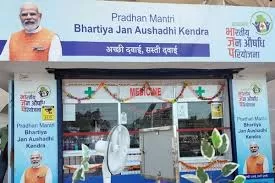
The 2026 celebrations come at a pivotal time as the network of Janaushadhi Kendras (JAKs)—dedicated outlets for generic medicines—has expanded into the furthest reaches of rural India, aiming to curb out-of-pocket expenditure (OOPE), which has historically been a leading cause of poverty in the region.
Breaking the Cost Barrier: The Power of Generics
At its core, the PMBJP is a market-intervention scheme designed to provide quality generic medicines at prices 50% to 90% lower than their branded counterparts. For a patient managing chronic conditions like hypertension or diabetes, this price delta is not merely a convenience; it is a life-saving necessity.
According to data from the Pharmaceuticals and Medical Devices Bureau of India (PMBI), the implementing agency of the scheme, the basket of available products has grown to include over 2,000 medicines and 300 surgical items. This includes essential drugs for cardiovascular health, anti-diabetics, oncology, and even specialized nutritional supplements.
The Economic Impact
Statistical data from the 2024-2025 fiscal year indicated that the Jan Aushadhi program led to estimated savings of over ₹25,000 crore for Indian citizens over the previous five years. In 2026, experts suggest that the integration of digital health IDs and the expansion of the “Jan Aushadhi Sugam” mobile app have further streamlined the ability of consumers to locate medicines and verify price transparency.
Expert Perspectives: Quality vs. Perception
While the cost benefits are clear, the medical community has historically faced challenges regarding “brand substitution” and patient trust.
“The biggest hurdle wasn’t the availability of the drug, but the perception of quality,” says Dr. Arvinder Singh, a senior public health consultant (not affiliated with PMBI). “However, the rigorous testing protocols mandated by the PMBJP—where every batch is tested at NABL-accredited labs—have gone a long way in building physician confidence. When we prescribe a generic from a Jan Aushadhi Kendra, we are confident it meets the pharmacopeial standards required for efficacy.”
Medical professionals emphasize that a generic drug is bioequivalent to a branded drug, meaning it contains the same active pharmaceutical ingredient (API) and works in the body in the same way.
What is Bioequivalence?
It is the scientific demonstration that a generic drug releases its active ingredient into the bloodstream at the same rate and to the same extent as the brand-name drug.
Public Health Implications: Beyond the Pharmacy Counter
The implications of Jan Aushadhi Diwas 2026 extend beyond individual savings. From a public health standpoint, affordable medicine is the primary driver of treatment adherence.
When medicines are expensive, patients—particularly those with chronic “silent” killers like high blood pressure—often skip doses or stop treatment altogether once symptoms subside. By lowering the financial barrier, the PMBJP improves long-term health outcomes, reducing the burden on secondary and tertiary hospitals for complications like strokes or kidney failure.
Furthermore, the scheme has championed menstrual hygiene through the sale of “Suvidha” oxo-biodegradable sanitary napkins at just ₹1 per pad. Health activists note that this specific intervention has significantly empowered women in lower-income brackets, promoting hygiene and reducing the risk of reproductive tract infections.
Challenges and The Road Ahead
Despite the accolades, the program faces ongoing challenges that were discussed during the Jan Aushadhi week seminars.
-
Supply Chain Consistency: In remote areas, “out of stock” scenarios for specific specialized medications remain a pain point.
-
Prescription Habits: While the government mandates that doctors prescribe medicines by their generic names, the practice is not yet universal across the private sector.
-
Awareness Gaps: There remains a segment of the population that equates “low cost” with “low quality,” requiring sustained educational campaigns.
Anjali Nayyar, a global health advocate, notes, “To reach the next level, the program must ensure that the supply chain is as robust as the retail expansion. Digital tracking and real-time inventory management will be the tools that define the next decade of Jan Aushadhi.”
What This Means for You
For the average consumer, Jan Aushadhi Diwas serves as a reminder to take agency over healthcare costs. Patients are encouraged to:
-
Ask your doctor: Request that prescriptions include the generic name of the medicine.
-
Use the App: Utilize the ‘Jan Aushadhi Sugam’ app to check availability and compare prices.
-
Verify Quality: Look for the PMBJP logo, which ensures the medicine has undergone the government’s quality control protocol.
As India moves toward its goal of ‘Viksit Bharat’ (Developed India) by 2047, the success of the Jan Aushadhi Pariyojana stands as a testament to the philosophy of ‘Sabka Saath, Sabka Vikas’—ensuring that the fruits of medical science are accessible to the last man in the queue.
References
-
Press Information Bureau (PIB): Release ID: 210456, “PM extends greetings on Jan Aushadhi Diwas 2026.”
Medical Disclaimer: This article is for informational purposes only and should not be considered medical advice. Always consult with qualified healthcare professionals before making any health-related decisions or changes to your treatment plan. The information presented here is based on current research and expert opinions, which may evolve as new evidence emerges.