 0
0
 0
0
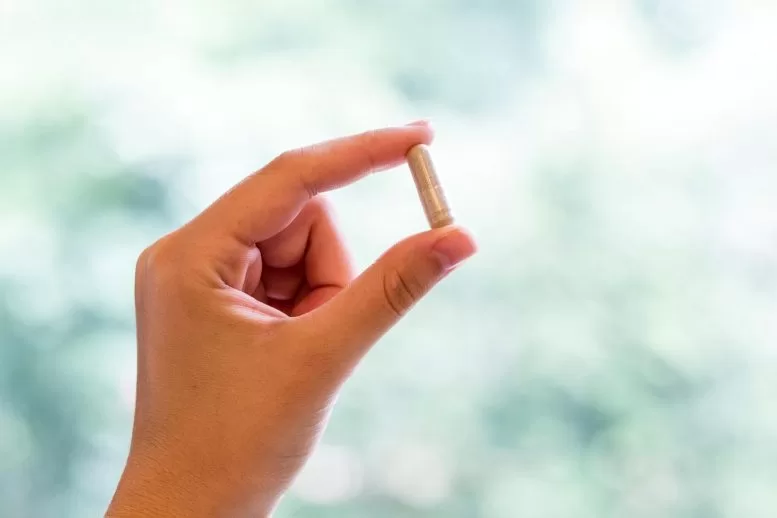
ADHD medications like Ritalin and Vyvanse are being increasingly used outside medical supervision, with growing numbers of people—especially young adults—taking these stimulants to boost focus, stay awake, or achieve a recreational “high”. While these drugs are vital for those with diagnosed ADHD, their misuse is leading to serious health risks and challenging policymakers to balance access and safety.
The Rise of ADHD Diagnoses and Stimulant Prescriptions
ADHD is no longer seen as a childhood-only condition. Awareness and diagnosis have surged in recent years, with stimulant prescriptions in Australia quadrupling from about 800,000 in 2013 to over 4 million per year by 2023. This increase reflects greater recognition of ADHD in adults and improved access to care, but it also means more stimulant medication is available in the community.
Experts note that while more people getting treatment is a positive development, it also raises the risk of medication diversion—where drugs are shared, sold, or used by individuals without a prescription. The National Drug Strategy Household Survey estimates that roughly 400,000 Australians—about one in 48—used prescription stimulants non-medically in the past year, with rates as high as one in 20 among those in their 20s.
Why Are People Using ADHD Stimulants Without a Diagnosis?
Many users without ADHD turn to stimulants for a variety of reasons. Some use them to stay awake for long study or work sessions, while others seek a recreational high or use them as appetite suppressants. Online forums and social media often promote these drugs as “smart drugs” or cognitive enhancers, promising improved productivity and brainpower.
However, research shows that the perceived benefits are often more psychological than physiological. In one experiment, university students who believed they had taken Ritalin reported feeling more focused and euphoric—even when they had only taken a placebo. Studies also indicate that while stimulants may increase effort and alertness, they do not actually make people smarter or improve the quality of work, especially for those who perform well without medication.
Health Risks of Non-Medical Stimulant Use
Stimulants such as Ritalin and Vyvanse are manufactured to strict pharmaceutical standards, but their safety depends on proper medical supervision, including appropriate dosing and monitoring. When misused—especially at higher or more frequent doses—users risk developing tolerance, needing more medication to achieve the same effects.
The “crash” that follows the high can include fatigue, irritability, and low mood, prompting further use and potentially leading to a cycle of dependence. Over time, this pattern may trigger anxiety, insomnia, and heart problems. Emergency department visits for stimulant-related problems have risen alongside increased availability, highlighting the growing public health concern.
Regulatory Challenges and Lessons from Other Countries
In Australia, ADHD stimulants are classified as Schedule 8 controlled drugs, with strict prescribing regulations that vary by state and territory. New national guidelines recommend more consistent oversight, shared care between specialists and general practitioners, and better follow-up to reduce misuse and diversion.
However, experts warn that supply restrictions alone are not enough. Past experiences with opioids and benzodiazepines show that restricting access can push users toward black markets and unregulated online sources, where counterfeit and high-potency products pose additional dangers.
In the United States, rising stimulant prescriptions have been accompanied by sharp increases in misuse and stimulant use disorder—the clinical term for addiction. In response, health agencies have adopted more balanced approaches, including prescription drug monitoring programs, clinician training on safer prescribing, and community-based education campaigns.
Implications for Public Health and Policy
As ADHD awareness and diagnosis continue to rise, Australia faces a critical decision: how to ensure those who genuinely need treatment can access it, while minimizing harm from misuse. Experts suggest adopting measures such as real-time prescription monitoring, expanded clinician education, and robust public education campaigns to inform people about the risks of non-medical stimulant use.
Expert Perspective
Dr. Jane Smith, a clinical psychologist specializing in addiction, warns, “The perception that prescription stimulants are safer than illicit drugs is dangerous. Without medical supervision, these medications can lead to serious health consequences, including addiction and heart problems. Public education is key to reducing harm”.
Practical Implications for Readers
If you or someone you know is considering using ADHD stimulants without a prescription, it’s important to understand that these drugs are not “smart drugs” and do not improve cognitive ability in people without ADHD. The risks—ranging from dependence to heart problems—far outweigh any perceived benefits. Always consult a qualified healthcare professional before using any medication for non-medical purposes.
Medical Disclaimer
Medical Disclaimer: This article is for informational purposes only and should not be considered medical advice. Always consult with qualified healthcare professionals before making any health-related decisions or changes to your treatment plan. The information presented here is based on current research and expert opinions, which may evolve as new evidence emerges.
References
- https://health.economictimes.indiatimes.com/news/industry/adhd-stimulants-are-being-used-recreationally-with-consequences-for-users/125537303?utm_source=top_story&utm_medium=homepage