 0
0
 0
0
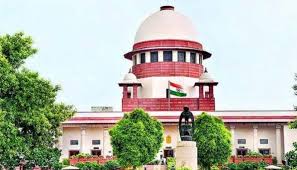
NEW DELHI – In a landmark ruling that bridges the gap between constitutional law and public health, the Supreme Court of India declared on Friday that access to menstrual hygiene is an “integral part” of a girl child’s right to life, dignity, and education. The 127-page judgment, delivered by a Bench of Justices J.B. Pardiwala and R. Mahadevan, mandates a sweeping set of reforms across all Indian schools, signaling a shift from viewing menstruation as a private “women’s issue” to a critical public health priority.
The court’s directive requires all states and Union Territories (UTs) to provide free sanitary napkins, functional gender-segregated toilets, and comprehensive menstrual health education. The ruling underscores a sobering reality: for millions of students, the onset of puberty marks the beginning of academic decline due to a lack of basic infrastructure.
The High Cost of Biological Silence
For decades, public health advocates have highlighted the “period poverty” that plagues rural and semi-urban India. The Supreme Court noted that the absence of clean washrooms and menstrual products compels girls to use unhygienic alternatives—such as rags, ash, or old cloth—or to wear absorbents for dangerously long periods.
“Inaccessibility undermines the dignity of a girl child,” the Bench observed. “Dignity finds expression in conditions that enable individuals to live without humiliation, exclusion, or avoidable suffering.”
Mandatory Directions: A Blueprint for Change
The Court issued a “continuing mandamus”—a legal order that allows the court to monitor compliance over time—requiring the following within three months:
-
Infrastructure: Every school, whether government or private, must have functional, gender-segregated toilets with running water and hand-washing facilities.
-
Menstrual Absorbents: States must provide free, oxo-biodegradable sanitary napkins, ideally via vending machines located within toilet blocks.
-
MHM Corners: Schools must establish “Menstrual Hygiene Management” corners stocked with spare uniforms and innerwear.
-
Waste Management: Implementation of environmentally compliant disposal mechanisms, such as incinerators or covered bins, in line with Solid Waste Management Rules.
-
Curriculum Reform: The NCERT and state bodies must integrate gender-responsive curricula to dismantle the social taboos surrounding puberty.
Expert Perspectives: Beyond the Infrastructure
Medical professionals and education experts have welcomed the judgment as a turning point for adolescent health.
“This isn’t just about providing a pad; it’s about the psychological safety of the student,” says Dr. Ananya Sharma, a Consultant Gynecologist not involved in the litigation. “When a girl has to choose between her health and her attendance, she is being denied an equal playing field. From a clinical perspective, providing biodegradeable options is also a win for long-term community health and environmental safety.”
However, experts also warn that infrastructure is only half the battle. “The challenge will be the ‘last mile’ delivery,” notes Rajesh Verma, a public health policy analyst. “Building a toilet is easy; maintaining it with consistent water supply and ensuring the disposal units don’t become biohazards requires localized accountability.”
The Education-Health Nexus
The Supreme Court’s phrase, “a period should end a sentence – not a girl’s education,” highlights a global crisis. According to UNICEF, 1 in 3 schools globally lacks adequate toilets, and in many parts of India, girls miss an average of 5 days of school per month during their periods. Over time, this leads to a cumulative learning loss that often results in permanent dropouts.
By mandating that all teachers—regardless of gender—be sensitized to menstrual health, the Court aims to break the “culture of silence.” The District Education Officers have been tasked with conducting annual inspections and, crucially, obtaining anonymous feedback from students to ensure that “functional” toilets are actually usable in practice.
Potential Challenges and Counterarguments
While the ruling is being hailed as progressive, some administrative hurdles remain:
-
Funding: The cost of installing vending machines and maintaining water connectivity across thousands of rural schools will require significant budgetary reallocation.
-
Environmental Concerns: While the Court specified “oxo-biodegradable” napkins, environmentalists argue that even these require specific conditions to break down. There is a growing call for including reusable options like high-quality menstrual cups or cloth pads, provided water and sterilization facilities are guaranteed.
-
Privacy: In some conservative regions, the transition to open discussion about menstruation in co-ed classrooms may face local resistance.
The Road Ahead
The National Commission for Protection of Child Rights (NCPCR) will oversee the implementation. The matter is scheduled for a follow-up hearing in three months to review compliance reports from the states.
For the students of India, the ruling promises a future where a natural biological process is no longer a barrier to their dreams. As the Bench concluded in its emotional appeal: “Progress is measured by how we protect the most vulnerable.”
References
- https://tennews.in/menstrual-hygiene-integral-to-right-to-life-and-education-sc/
Medical Disclaimer: This article is for informational purposes only and should not be considered medical advice. Always consult with qualified healthcare professionals before making any health-related decisions or changes to your treatment plan. The information presented here is based on current research and expert opinions, which may evolve as new evidence emerges.