 0
0
 0
0
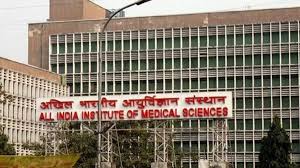
NEW DELHI — In a milestone for Indian medicine that moves advanced reconstructive surgery from the realm of science fiction to clinical reality, the All India Institute of Medical Sciences (AIIMS), New Delhi, has officially announced the launch of the country’s first face transplant program.
The initiative, spearheaded by the Department of Plastic, Reconstructive and Burns Surgery, aims to provide a definitive solution for survivors of severe facial trauma—including acid attacks, explosions, and gunshot wounds—who remain profoundly disfigured despite undergoing dozens of conventional surgeries. The program was inaugurated with a rigorous five-day intensive workshop from February 11–15, 2026, featuring hands-on training with international experts and the successful harvesting of facial tissue from a deceased donor for surgical simulation.
From “Experimental” to “Essential”
For decades, patients with devastating facial injuries faced a lifetime of social isolation and physical impairment. While traditional plastic surgery can patch wounds using skin grafts from a patient’s own body, it often fails to restore the intricate movements of the lips, eyelids, and cheeks.
“We see a large number of patients who have undergone 10 to 12 surgeries and still cannot blink, smile, or breathe properly,” said Dr. Maneesh Singhal, Head of the Department of Plastic, Reconstructive and Burns Surgery at AIIMS. “Face transplantation is no longer experimental; it is the need of the hour for those who have exhausted all other options.”
The AIIMS program is built on a multidisciplinary foundation, involving experts from:
-
Otolaryngology (ENT) and Maxillofacial Surgery: To reconstruct bone and airway structures.
-
Immunology and Nephrology: To manage the complex “anti-rejection” medication regimens.
-
Psychiatry: To support the profound psychological shift of living with a new identity.
-
The Organ Retrieval Banking Organisation (ORBO): To coordinate the delicate process of donor matching.
The Science of the “New Face”
Unlike a standard skin graft, a face transplant is a Vascularized Composite Allotransplantation (VCA). This means surgeons are not just moving skin, but an entire functional unit of the human face.
In a procedure that can last anywhere from 10 to 36 hours, surgeons must connect microscopic blood vessels, sensory and motor nerves, and sometimes underlying bone from a deceased donor to the recipient. When successful, the “new” face eventually gains feeling and movement, allowing the patient to perform essential human functions: eating, speaking clearly, and expressing emotion.
Dr. Indranil Sinha, a transplant expert from the Harvard-affiliated Brigham and Women’s Hospital who led the AIIMS training workshop, noted that the infrastructure at AIIMS now meets international standards. “The technical skill exists here; what we are building now is the institutional protocol to ensure long-term success,” Dr. Sinha stated.
The Global Context: Success and Survival
Since the world’s first partial face transplant in France in 2005, approximately 80 procedures have been performed globally. Data published in journals such as JAMA Surgery regarding the first 50 cases shows a promising trajectory:
-
85% five-year graft survival rate.
-
74% ten-year survival rate.
While the numbers are encouraging, the procedure is not without significant risks. Because the body naturally views the donor tissue as a foreign invader, recipients must take lifelong immunosuppressive drugs.
“The surgical part is just the beginning,” explained Dr. Dipankar Bhowmick, a nephrologist at AIIMS. “The real challenge is the lifelong management of the immune system to prevent rejection while protecting the patient from infections and potential organ damage caused by the medications.”
Weighing the Benefits vs. Risks
| Feature | Benefits | Risks & Limitations |
| Functionality | Restores breathing, speech, and blinking | Risk of acute rejection (0.7–1.2 episodes/year) |
| Aesthetics | Near-normal appearance and symmetry | Side effects of lifelong steroids/meds |
| Psychological | Social reintegration and confidence | Complex adjustment to a “new” identity |
| Surgical Load | One major surgery vs. dozens of minor ones | High cost and reliance on donor availability |
Who is Eligible?
The AIIMS program is currently establishing a patient registry. Selection is notoriously rigorous. Candidates must have severe facial deformities that impair vital functions and cannot be fixed through standard reconstruction.
According to Dr. Preethy K of the AIIMS Psychiatry department, mental health is a primary screening factor. “A patient must be highly motivated and have a strong support system,” she said. “The psychological impact of seeing a different face in the mirror every morning requires immense resilience and ongoing counseling.”
Exclusion criteria generally include:
-
Active cancers or chronic infections.
-
History of non-compliance with medical advice.
-
Active smoking (which impairs blood vessel healing).
Public Health and the “Cost of Hope”
The launch of this program at a public institution like AIIMS is a significant shift in health equity. In India’s private sector, the cost of such a procedure can range from ₹50 lakhs to ₹1.5 crores, making it inaccessible to the majority.
With over 1,000 acid violence cases reported annually by the National Crime Records Bureau, and millions of burn survivors nationwide, the need is staggering. Beyond the physical restoration, the program aims to combat the “social death” many survivors experience—unemployment, stigma, and isolation.
However, challenges remain. Donor scarcity is a major hurdle. While organ donation in India is slowly increasing, families are often more hesitant to donate facial tissue than internal organs like the heart or kidneys due to the visual nature of the gift.
Looking Ahead
The first transplant at AIIMS could occur within the next year, pending final regulatory approvals. As the program matures, it has the potential to become a training hub for the rest of South Asia, democratizing a procedure that was once reserved for the world’s wealthiest nations.
For the thousands of survivors waiting for a second chance, the message from AIIMS is clear: the technology is ready, the team is in place, and for the first time in India, hope has a new face.
Medical Disclaimer: This article is for informational purposes only and should not be considered medical advice. Always consult with qualified healthcare professionals before making any health-related decisions or changes to your treatment plan. The information presented here is based on current research and expert opinions, which may evolve as new evidence emerges.
References
-
https://health.economictimes.indiatimes.com/news/hospitals/aiims-delhi-first-in-country-to-announce-launch-of-face-transplant-programme/128330668?utm_source=latest_news&utm_medium=homepage