 0
0
 0
0
December 18, 2025
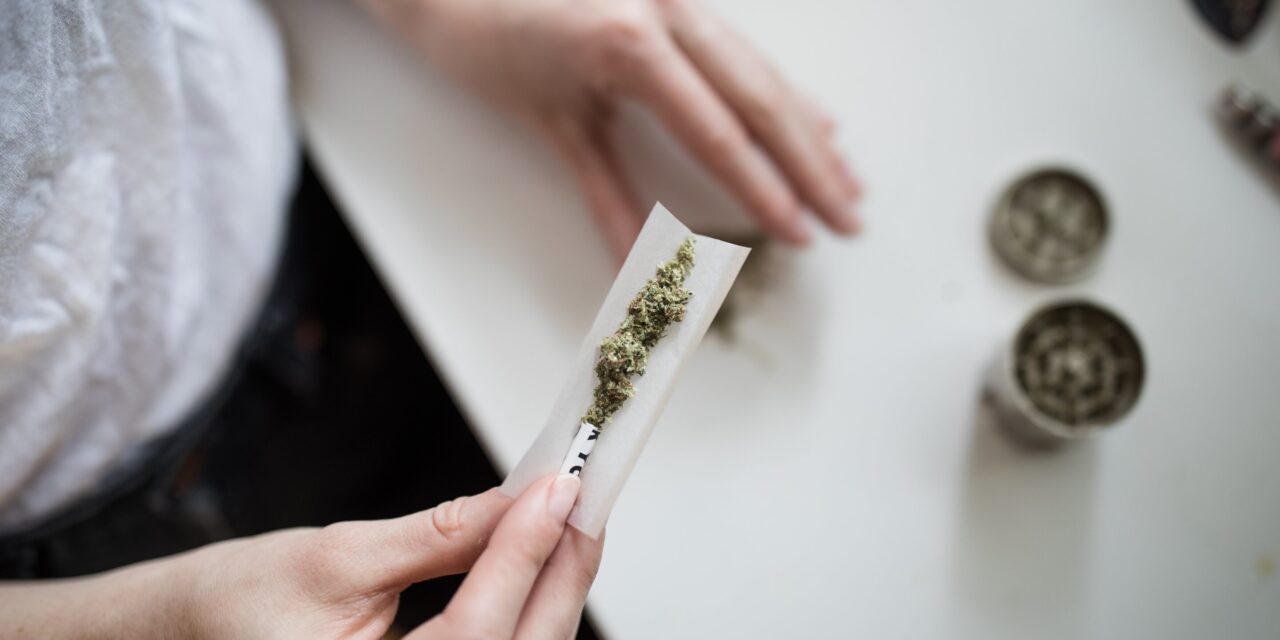
WASHINGTON — In a move that fundamentally alters the landscape of American drug policy, the White House is expected to sign an executive order today reclassifying marijuana from a Schedule I to a Schedule III controlled substance. The decision, coming after decades of administrative and legal wrangling, formally recognizes cannabis as a substance with “accepted medical use” under federal law for the first time.
While the change does not federally legalize the drug for recreational use, it marks a seismic shift for public health research, medical access, and the regulatory framework governing the nation’s most popular illicit substance.
From “No Medical Value” to Schedule III
Since the inception of the Controlled Substances Act in 1970, marijuana has been classified in Schedule I—the most restrictive category, alongside heroin and LSD—reserved for drugs deemed to have a high potential for abuse and no currently accepted medical use.
The move to Schedule III places cannabis in the same category as ketamine, anabolic steroids, and Tylenol with codeine. According to the Drug Enforcement Administration (DEA), Schedule III substances are defined as having a “moderate to low potential for physical and psychological dependence.”
The reclassification follows a 2023 recommendation from the Department of Health and Human Services (HHS), which concluded that credible scientific support exists for the use of marijuana in treating chronic pain, nausea associated with chemotherapy, and anorexia related to certain medical conditions.
Unlocking the “Golden Standard” of Research
For the medical community, the most significant impact of rescheduling is the removal of onerous barriers to clinical research. Under Schedule I, scientists were required to navigate a labyrinth of DEA registrations and security protocols—often involving specialized vaults and limited supply sources—that made large-scale clinical trials nearly impossible.
“We have been operating in a Catch-22 for fifty years,” says Dr. Robert Mikos, a professor at Vanderbilt Law School specializing in drug law. “The government required proof of efficacy to reschedule, but the Schedule I status prevented the very trials needed to provide that proof.”
Rescheduling to Schedule III is expected to:
-
Facilitate Randomized Controlled Trials (RCTs): Researchers will now have easier access to various strains and formulations, allowing for the “gold standard” of double-blind studies.
-
Expand Funding Opportunities: Many academic institutions have historically avoided cannabis research to protect federal grants. A Schedule III designation lowers the perceived risk for universities and private investors.
-
Standardize Dosing: Increased research is likely to lead to better data on potency and delivery methods, helping physicians provide more accurate guidance to patients.
Public Health Implications: Benefits and Risks
While the shift is celebrated by advocates, the medical community remains divided on the immediate public health outcomes.
Supporters argue that rescheduling will bring cannabis into the mainstream healthcare fold. “At Schedule III, it becomes much more practical for mainstream physicians to engage with cannabis as a therapeutic option,” noted Ryan Hunter, a cannabis industry executive. This could lead to better patient oversight and a reduction in the “self-medication” that occurs without professional guidance.
However, some medical organizations have expressed caution. In a comment letter earlier this year, the American Psychiatric Association (APA) stated it does not support the transfer to Schedule III at this time. The APA cited concerns regarding the “high prevalence of abuse” and the “strong association of cannabis use with the onset of psychiatric disorders,” particularly in adolescents whose brains are still developing.
“There is a risk that reclassification could decrease the perception of risk among youth,” the APA warned, suggesting that the public might interpret the move as a universal stamp of safety.
The Pharmaceutical vs. Dispensary Conflict
A critical point of confusion for consumers is where they will actually buy medical marijuana. Rescheduling to Schedule III does not automatically put cannabis on pharmacy shelves.
Currently, the cannabis products sold in state-legal dispensaries—such as flower, edibles, and vapes—are not FDA-approved. For a substance to be dispensed at a traditional pharmacy like CVS or Walgreens, it must go through the rigorous FDA New Drug Application (NDA) process.
“Rescheduling provides a legal path for pharmaceutical companies to develop marijuana-based drugs that could eventually be sold in pharmacies,” explains Joanna Lampe, a legislative attorney. “But the products currently in state dispensaries remain in a legal gray area, as they lack FDA licensure.”
This has led to fears among some industry pioneers that “Big Pharma” could eventually dominate the market with synthetic or highly processed cannabinoids, potentially subjecting existing small-scale dispensaries to new federal enforcement under the Food, Drug, and Cosmetic Act.
What This Means for Patients
For the estimated 13 million Americans currently using medical marijuana under state programs, the immediate changes may be subtle but significant:
-
Tax Relief and Pricing: Cannabis businesses have long been crippled by IRS Code 280E, which prevents them from deducting standard business expenses. Rescheduling eliminates this burden, which experts suggest could lead to lower prices for patients over time.
-
Standardization: As federal research ramps up, patients can expect more reliable information regarding drug interactions and long-term health effects.
-
Veterans’ Access: The move may allow the Department of Veterans Affairs (VA) more flexibility in discussing and potentially recommending cannabis to veterans, a group that has long advocated for the change to treat PTSD and chronic pain.
Looking Ahead
As the White House prepares to finalize the order, the DEA and HHS will begin the complex task of drafting new regulations for the handling and distribution of a Schedule III cannabis market.
“This is not the end of the conversation; it’s the beginning of a new chapter,” says Paul Armentano, deputy director of NORML. “While it doesn’t solve every conflict between state and federal law, it acknowledges the reality that millions of Americans already know: cannabis has legitimate medical utility.”
The transition is expected to take months as federal agencies align their protocols, and legal challenges from both pro-legalization and anti-drug groups are likely to follow. For now, the medical community remains cautiously optimistic that the “shackles” on scientific inquiry have finally been loosened.
Medical Disclaimer: This article is for informational purposes only and should not be considered medical advice. Always consult with qualified healthcare professionals before making any health-related decisions or changes to your treatment plan. The information presented here is based on current research and expert opinions, which may evolve as new evidence emerges.
References
Study Citations & Reports:
-
Congressional Research Service (CRS): “Legal Consequences of Rescheduling Marijuana,” (Updated May 2024). LSB11105.