 0
0
 0
0
BENGALURU — In a major shift for rare disease management in India, the Karnataka state government has officially launched “Kusuma Sanjeevini,” a groundbreaking public health programme providing free, state-of-the-art medical treatment to residents living with haemophilia. The initiative, inaugurated Wednesday at the U.R. Rao Auditorium, aims to alleviate the staggering financial and physical burden of a condition that has historically sidelined thousands of children and adults from mainstream society.
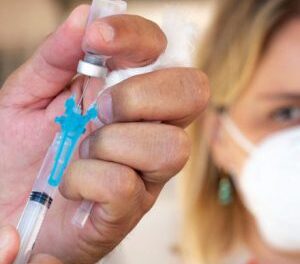
The programme’s centerpiece is the introduction of Emicizumab, a monoclonal antibody therapy that transforms a grueling weekly regimen of intravenous injections into a once-monthly subcutaneous dose. With an annual treatment cost of approximately ₹5 lakh (roughly $6,000 USD) per patient, the government has sanctioned ₹45.55 crore to ensure no patient is left behind due to the “lottery of birth.”
Understanding the Burden of “The Royal Disease”
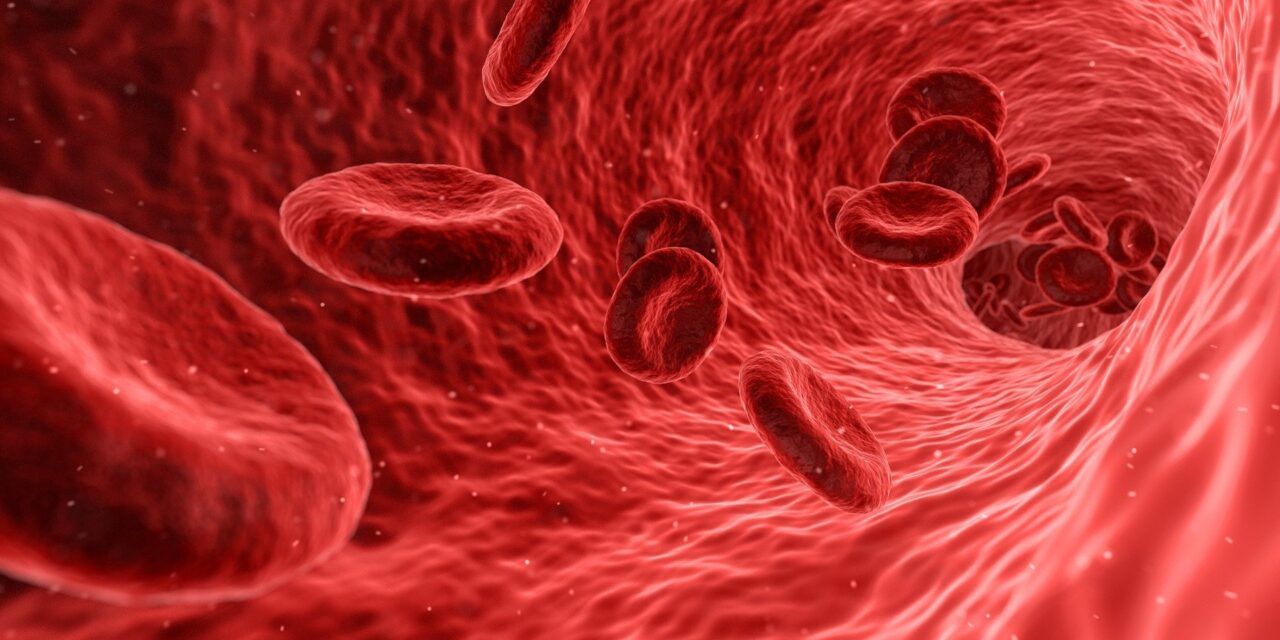
Haemophilia is a rare genetic disorder where the blood does not clot properly because it lacks sufficient blood-clotting proteins (factors). For the estimated 2,600 patients in Karnataka, the reality of the condition is often far from the “Royal Disease” moniker it earned through European lineages. Without treatment, even a minor bump can lead to internal bleeding that damages joints and organs, often resulting in permanent disability.
“Children suffering from this disease were often unable to study or play properly,” stated Health and Family Welfare Minister Dinesh Gundu Rao during the launch. “They were pushed away from mainstream social life. This decision to provide free medicines gives me a deep sense of fulfillment.”
Minister Rao noted that while women typically act as asymptomatic carriers, the disorder predominantly affects males. Until now, the standard of care involved frequent, painful injections into the veins—a task particularly traumatic for young children and their caregivers.
The Science of the “Monthly Miracle”
The introduction of Emicizumab (marketed by Roche Pharma India) under the Kusuma Sanjeevini programme represents a leap in therapeutic technology. Unlike traditional factor replacement therapy, which replaces the missing clotting factor, Emicizumab is a bispecific monoclonal antibody.
In simpler terms, it acts like a “bridge.” In a healthy body, Factor VIII bridges other proteins to start the clotting process. In haemophilia A patients, that bridge is missing. Emicizumab mimics the function of Factor VIII, allowing the blood to clot effectively.
Key Advantages of the New Protocol:
-
Administration: Subcutaneous (under the skin) rather than intravenous (into the vein).
-
Frequency: Once a month compared to two or three times a week.
-
Stability: Provides more consistent protection against “breakthrough” bleeds.
-
Accessibility: Includes free 108 ambulance services to ensure patients can reach specialized care if complications arise.
“It is a miracle of modern science,” Minister Rao added, noting that the treatment has already been successfully tested on a pilot group of 200 patients in the state.
Economic Lifeline for Families
For many families, the cost of haemophilia care is prohibitive. Deputy Chief Minister D.K. Shivakumar emphasized that the government’s intervention is designed to remove the “helplessness” felt by parents facing monthly pharmacy bills of nearly ₹50,000.
“No child or person desires such diseases; it is the law of nature. It is not the fault of the children or their parents,” Shivakumar said. “Health ensures prosperity. Your government stands with you always.”
The state has allocated ₹17 crore specifically for the procurement of the new monoclonal antibody, ensuring that the high cost of innovation does not become a barrier to survival.
Expert Perspectives and Public Health Implications
Medical experts not directly involved in the policy’s implementation have praised the move as a model for other Indian states.
“Transitioning from on-demand factor replacement to prophylaxis—especially with long-acting monoclonal antibodies—is the gold standard for preventing joint bleeds and chronic pain,” says Dr. Ananya Sharma, a hematology consultant (independent of the Karnataka health ministry). “By making this free, Karnataka is essentially preventing a generation of patients from becoming disabled.”
However, experts also note that while Emicizumab is a game-changer for Haemophilia A, it is not a “cure.” Patients must still be monitored for potential side effects, such as thrombotic events, though these are rare. Furthermore, the programme must ensure a robust supply chain to prevent “treatment gaps,” which can be dangerous for patients whose bodies have adjusted to the medication.
Potential Limitations:
-
Genotype Specificity: Emicizumab is specifically indicated for Haemophilia A. Patients with Haemophilia B or other rare bleeding disorders may still require traditional factor replacement.
-
Logistics: Ensuring the temperature-sensitive medication reaches rural primary health centers remains a significant logistical challenge.
Looking Ahead: A New Quality of Life
The Kusuma Sanjeevini programme is more than just a medical subsidy; it is a social reintegration strategy. By reducing the frequency of hospital visits and the fear of spontaneous bleeds, the government hopes to see more children with haemophilia returning to classrooms and more adults entering the workforce.
As the programme rolls out across Karnataka’s districts, the focus will shift to identifying the remaining undiagnosed patients among the state’s population. For the 2,600 already identified, the message from the Bengaluru launch was clear: their health is no longer their burden alone to bear.
Medical Disclaimer: This article is for informational purposes only and should not be considered medical advice. Always consult with qualified healthcare professionals before making any health-related decisions or changes to your treatment plan. The information presented here is based on current research and expert opinions, which may evolve as new evidence emerges.
References and Sources
Primary Sources:
-
Official Launch Event: Statements by Dinesh Gundu Rao (Minister for Health and Family Welfare, Karnataka) and D.K. Shivakumar (Deputy Chief Minister, Karnataka), Bengaluru, Feb 25, 2026.