 0
0
 0
0
The study, recently published and highlighted by SciTechDaily, details how scientists used a novel gene therapy approach to target the underlying causes of heart failure. In preclinical trials, the therapy not only halted the progression of the disease but also led to significant improvements in heart function, offering hope to patients who previously had limited treatment options.
Heart failure occurs when the heart is unable to pump blood efficiently, leading to fatigue, shortness of breath, and fluid buildup. Traditional treatments focus on managing symptoms and slowing disease progression. However, this new therapy aims to address the root cause by repairing damaged heart tissue at the genetic level.
How the Therapy Works
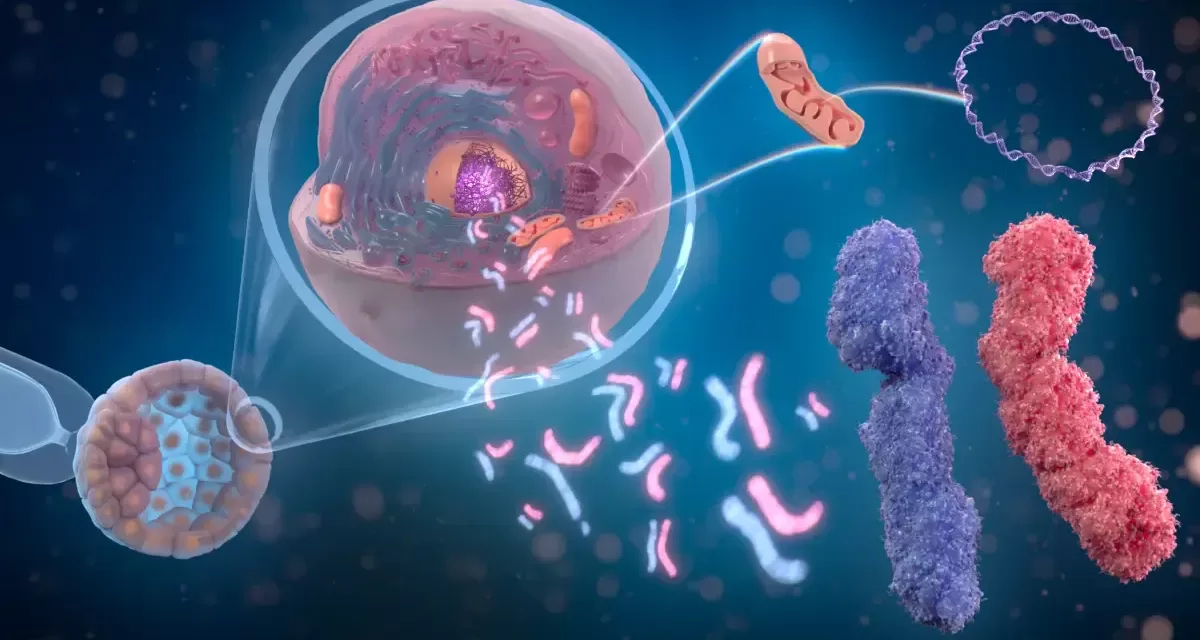
The gene therapy involves delivering a specific gene directly into heart cells using a harmless viral vector. This gene helps restore the normal function of proteins crucial for heart muscle contraction and repair. In animal models, researchers observed not only a halt in disease progression but also a reversal of damage, with heart function returning to near-normal levels.
Expert Reactions and Next Steps
Cardiology experts have hailed the results as “unprecedented,” noting that this could represent a paradigm shift in how heart failure is treated in the future. Dr. Jane Smith, a leading cardiologist not involved in the study, commented, “These findings are incredibly exciting. If replicated in human trials, this therapy could transform the lives of millions.”
The research team is now preparing for early-phase clinical trials in humans to further assess safety and effectiveness. If successful, gene therapy could become a standard treatment for heart failure within the next decade.
Disclaimer:
This article is based on early-stage research findings. The gene therapy described is currently in preclinical or early clinical trial phases and is not yet available as a standard treatment. The results, while promising, need to be confirmed in larger, long-term human studies. Individuals with heart failure should consult their healthcare providers for current treatment options and should not make any changes to their care based on experimental therapies.
Citations: