 0
0
 0
0
New Delhi, Sep 20, 2025 — Nearly 85 percent of oral health problems can be prevented through increased awareness and the use of modern dental technologies, health experts declared at the 35th Annual Conference of the Indian Society for Dental Research (ISDR) held recently in New Delhi. The landmark three-day event attracted over 600 delegates, including a strong international presence of 150 participants from 20 countries. More than 30 national and international keynote speakers focused on promoting research-driven collaboration in oral and craniofacial health sciences.
Oral health plays a silent yet significant role in overall wellbeing. Prof. (Dr.) Mahesh Verma, Vice Chancellor of Guru Gobind Singh Indraprastha University and organising chairman of the conference, underlined the critical importance of prioritizing oral health in India’s national health agenda. “Oral diseases may not always be life-threatening, but they silently erode quality of life,” he emphasized, noting that nearly 85% of oral health problems are preventable with proper awareness, preventive research, and affordable technology.
Barriers in Access and Awareness
Despite advances, there remains a stark gap in dental care accessibility and affordability across rural and urban India, Prof. Verma said. This disparity severely limits early diagnosis and preventive treatment, fueling the chronic burden of oral diseases. “As lifestyles evolve and standards of living rise, wellness cannot be truly achieved without oral health,” he said, calling for innovation to bridge these divides.
The conference highlighted the broad scope of dental research currently underway, spanning 36 categories from regenerative therapies and revitalizing dead tissues to material sciences and public health approaches.
The Toll of Alcohol on Oral Health
A key topic of discussion was the detrimental effect of alcohol consumption on oral health. Dr. Aswini Y.B. of the Maulana Azad Institute of Dental Sciences explained how even the first sip of alcohol can inflict damage. “Our mouth has a delicate protective lining called the mucosa,” she said. “Alcohol dries this lining out almost instantly, weakening it, causing painful blisters, and making the mouth more susceptible to infections”.
Alcohol also reduces saliva production, which acts as the mouth’s natural cleanser. Without sufficient saliva, harmful bacteria flourish, infection risk rises, and the likelihood of oral cancers increases over time. Dr. Aswini issued a stark caution about the combined use of alcohol and tobacco — a deadly habit that multiplies the risk of serious oral diseases, including cancers, and remains common in India.
Expert Views and Public Health Implications
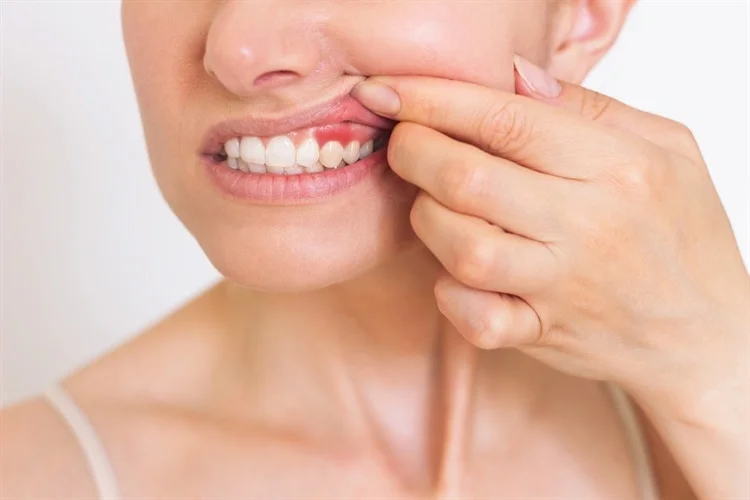
Experts attending the ISDR conference urged the public to recognize warning signs like persistent mouth dryness, sores, or discomfort and to seek dental advice promptly. They stressed that oral health maintenance goes beyond routine brushing, involving informed lifestyle changes and preventive care.
Globally, research echoes these findings. The World Health Organization states most oral diseases, including tooth decay and gum disease, are largely preventable through early intervention and education. Studies from India highlight that oral health problems not only deteriorate quality of life but also impose high economic costs—estimated at USD 7.3 billion annually—due to lost productivity and costly treatments when care is delayed.
Policy Implications and Future Directions
There was a strong call at the conference for integrating oral health into national health policies to enhance access and affordability. Strategies like expanding insurance coverage, promoting preventive care, and public-private partnerships were emphasized as essential. Integration into schemes like the Pradhan Mantri Jan Arogya Yojana could relieve financial barriers for underserved communities.
Experts recommended more population-based research on the cost-effectiveness of preventive interventions and urged updating national oral health surveys regularly to monitor progress. These steps are viewed as vital to shifting the focus from reactive treatment towards proactive oral health management—improving quality of life and reducing the substantial societal burden of oral diseases.
Balanced Reporting on Limitations
While advancements are promising, experts caution that behavioral, socioeconomic, and infrastructural challenges remain formidable. Oral health inequalities persist, particularly among marginalized populations. Further, changes in public habits and widespread adoption of technologies require sustained educational campaigns and health system strengthening.
Medical Terminology Defined
-
Oral mucosa: The moist tissue lining the inside of the mouth, acting as a protective barrier.
-
Saliva: Fluid in the mouth essential for digestion and maintaining oral hygiene by neutralizing acids and washing away bacteria.
Practical Takeaway for Readers
Maintaining oral health involves more than brushing; it demands awareness about risk factors such as alcohol and tobacco, regular dental checkups, and adopting healthier lifestyle habits. Individuals should watch for persistent dryness or sores as early signals and seek dental care without delay.
Medical Disclaimer: This article is for informational purposes only and should not be considered medical advice. Always consult with qualified healthcare professionals before making any health-related decisions or changes to your treatment plan. The information presented here is based on current research and expert opinions, which may evolve as new evidence emerges.
References