 0
0
 0
0
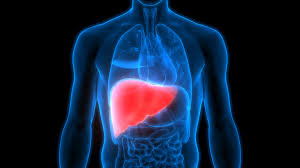
In a concerning revelation, Union Health and Family Welfare Minister JP Nadda informed the Lok Sabha that a staggering 84% of information technology (IT) employees surveyed in Hyderabad were found to have Metabolic Dysfunction-Associated Fatty Liver Disease (MAFLD). The data was presented in response to a question raised by Hyderabad MP Asaduddin Owaisi about recent health research on the city’s tech workforce.
Citing research published in the prestigious Nature Scientific Reports Journal in 2025, Nadda highlighted that out of 345 IT professionals surveyed in Hyderabad, 290 employees (84.06%) exhibited increased liver fat accumulation—an indicator of MAFLD. Furthermore, 118 employees (34.2%) were diagnosed with Metabolic Syndrome (MetS), and an alarming 71% were found to be obese.
The research draws attention to growing health concerns in India’s tech hubs, where sedentary lifestyles and high-stress environments are common among professionals.
The Union minister also mentioned a related study conducted by the Indian Council of Medical Research (ICMR) in collaboration with the Institute of Liver and Biliary Sciences, Delhi, aimed at assessing the risks of Fatty Liver Disease, Metabolic Syndrome, diabetes, and hypertension across the country’s regions.
In response to the growing prevalence of such non-communicable diseases, the Ministry of Health has issued operational guidelines for the prevention and management of Non-Alcoholic Fatty Liver Disease (NAFLD). These guidelines, implemented under the National Programme for Prevention and Control of Non-Communicable Diseases, emphasize the importance of a healthy diet, regular physical activity, weight management, and reduced sugar and saturated fat consumption. States and Union Territories have been urged to conduct screenings and risk assessments as per these protocols, with guidance provided for appropriate patient referrals.
Disclaimer: This article is based on the study referenced by Union minister JP Nadda in the Lok Sabha and is for informational purposes only. The results reflect findings from a specific group of IT employees in Hyderabad and do not necessarily represent wider population trends. Please consult healthcare providers for personalized medical advice.