 0
0
 0
0
As the rainy season intensifies across West and Central Africa, the United Nations has warned that an estimated 80,000 children are at immediate risk of cholera. The heightened threat comes amid active outbreaks in several countries, with the potential for cross-border transmission raising alarm among health officials.
According to Farhan Haq, deputy spokesperson for the UN secretary-general, the Democratic Republic of the Congo and Nigeria are currently facing severe cholera outbreaks. Surrounding nations—including Chad, the Republic of Congo, Ghana, Côte d’Ivoire, and Togo—are also grappling with ongoing epidemics, while Niger, Liberia, Benin, the Central African Republic, and Cameroon remain on high alert due to their vulnerability.
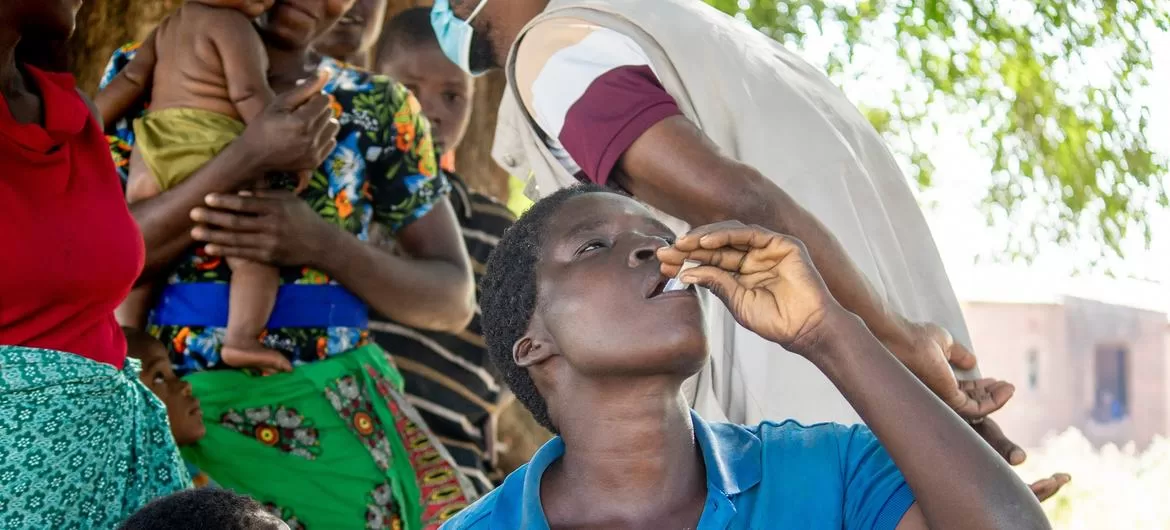
UNICEF has mobilized efforts by delivering critical health, water, hygiene, and sanitation supplies to affected treatment centers and communities. The organization is also supporting vaccination campaigns, urging families to seek prompt medical attention and adopt improved hygiene practices. However, officials emphasize that urgent and scaled-up interventions are needed to prevent the disease’s further spread and effectively contain existing outbreaks.
To enhance the emergency cholera response in the coming three months, UNICEF’s West and Central Africa division has issued an urgent call for $20 million in funding. These resources will aid health, water, and sanitation initiatives, and bolster risk communication and community engagement efforts.
Background on Cholera
Cholera is a severe diarrhoeal disease caused by ingesting food or water contaminated with Vibrio cholerae. It serves as an indicator of significant inequity and underdevelopment, reflecting gaps in access to safe water, sanitation, and basic hygiene. The World Health Organization notes that while most cases produce mild to moderate symptoms manageable with oral rehydration solution (ORS), severe cases can escalate quickly and require intravenous fluids, ORS, and antibiotics for treatment.
Robust epidemiological and laboratory surveillance systems are vital for detecting and responding to outbreaks promptly. Experts link cholera’s persistence to factors such as conflict, displacement, climate-induced disasters, and insufficient investment in water, sanitation, and hygiene (WASH) infrastructure.
The global burden is concerning. In 2023 alone, the WHO received reports of 535,321 cholera cases and 4,007 related deaths across 45 countries. However, experts caution these numbers may be underestimated due to incomplete surveillance and underreporting driven by potential trade and tourism repercussions.
Disclaimer: This report is based on UN and UNICEF statements as cited by The Hans India. Statistics, recommendations, and health information are for general awareness. For official guidance and latest updates, consult the World Health Organization or local public health authorities.