 0
0
 0
0
An eight-year-old boy, once a vibrant athlete and soccer enthusiast, has regained his ability to walk after receiving an experimental drug for a rare and fatal genetic disorder known as HPDL deficiency. The dramatic turnaround, reported by his medical team at NYU Langone, marks the first documented human success for this ultra-rare mitochondrial disease and is being hailed as a potential breakthrough for rare disease therapy.
The boy’s health began to deteriorate in mid-2023, with early symptoms including stumbling, ankle stiffness, and loss of coordination. Within months, his condition worsened rapidly, leaving him wheelchair-bound and unable to stand. Conventional treatments, including CoQ10 supplements, failed to halt the decline.
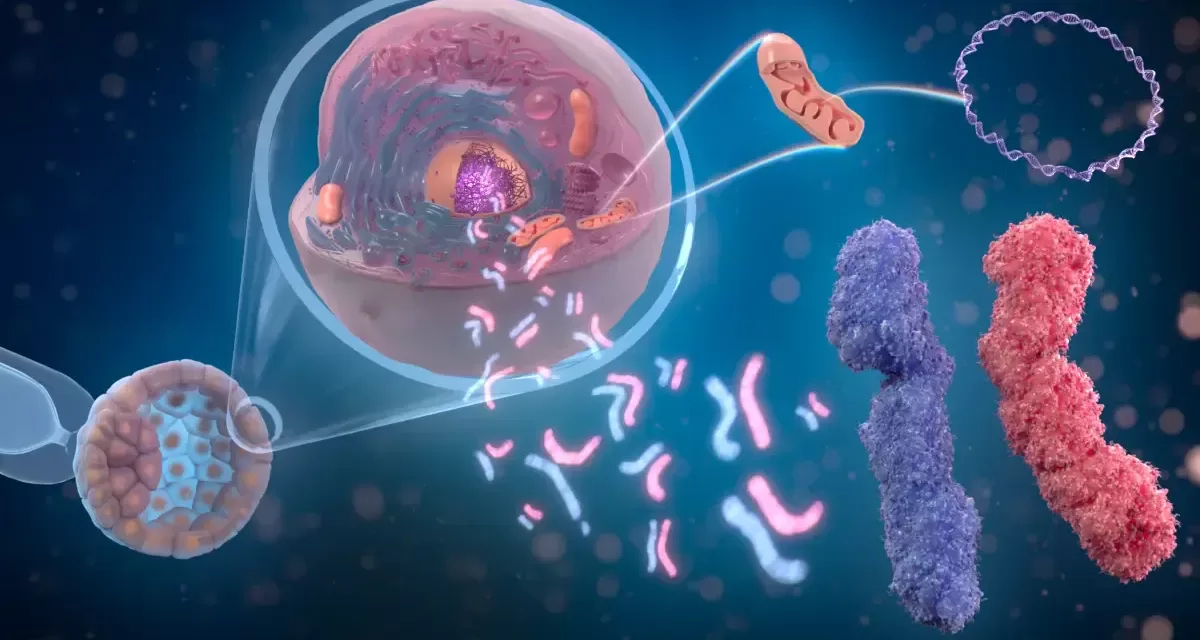
With no approved therapies and the patient’s condition deteriorating, doctors pursued a compassionate-use approval from the US Food and Drug Administration (FDA) for a novel drug called 4-hydroxybenzoate (4-HB). This compound is designed to bypass the genetic deficiency and restore the body’s ability to produce CoQ10, a vital molecule for cellular energy production.
Treatment began in December 2023. Within a month, the boy was able to walk again, and over the following year, he completed a four-mile hike and enjoyed activities like go-karting. Doctors observed a significant restoration of motor function and stamina, with no serious side effects reported. While rigorous sports remain off-limits, the boy can now perform daily activities independently.
This case represents a “bench-to-bedside” success, demonstrating how fundamental biological research can be translated into transformative therapies. Experts emphasize that while the results are unprecedented, caution is warranted: one patient’s outcome does not establish safety or efficacy for the broader population. Plans are underway for larger clinical trials to further assess the drug’s potential and long-term effects.
The success of 4-HB in this case offers hope for families affected by HPDL deficiency and other rare mitochondrial disorders, many of which lack effective treatments. Researchers are now investigating whether the drug’s benefits extend beyond CoQ10 restoration and if similar strategies could help other rare conditions.
“Movement is identity and personality,” remarked Dr. Claire Miller, the lead physician, describing the boy’s recovery as “heartwarming.” As the young patient himself asked, “When are you going to make this a pill?”—a poignant reminder of the growing optimism among patients and families confronting rare diseases.
Disclaimer:
This article is based on a single case of compassionate-use treatment with an experimental drug. The therapy described has not undergone large-scale clinical trials, and its safety and efficacy for other patients are not yet established. Readers should consult qualified medical professionals for advice regarding rare genetic conditions and experimental treatments.