 0
0
 0
0
In a rare and medically high-risk case, a 55-year-old tribal woman from Jhadol village in Udaipur, Rajasthan, recently gave birth to her 17th child, prompting the state health department to launch an investigation into population control and family planning outreach failures in the region. The incident sheds light on persistent challenges in managing high fertility rates and ensuring maternal health in vulnerable tribal populations.
Key Findings and Incident Overview
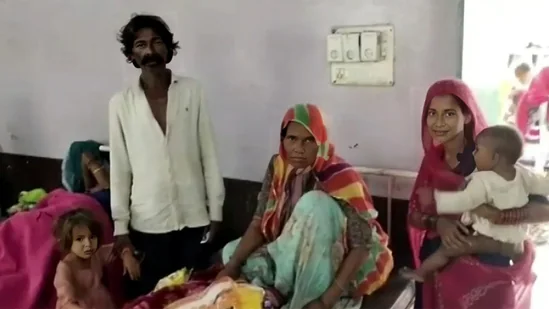
Rekha Kalbeliya, a resident of southern Rajasthan’s Udaipur district, delivered her 17th child at a local hospital—bringing her household size to 24 members, including several generations of family. Tragically, five of her children died shortly after birth, leaving 11 surviving siblings. The family is reported to struggle with severe financial hardship and unstable housing conditions. Local medical staff revealed that Rekha initially misrepresented the number of deliveries, claiming this was only her fourth child, which obscured the high risks involved due to lack of prenatal history or sonograms.
Dr. Roshan Darangi, a gynecologist at Jhadol Community Health Centre, expressed concern over the health risks faced by the woman considering her age and high parity, especially without detailed prenatal monitoring. The Rajasthan health department has described the case as “a matter of concern” and pledged an investigation into why family planning programs failed to reach this family and why awareness has not sufficiently reduced total fertility rates in the area.
Medical and Public Health Context
Pregnancy at an advanced age—especially beyond 50 years—is medically classified as high risk by leading health authorities such as the American College of Obstetricians and Gynecologists (ACOG) and the Mayo Clinic. Women over 35, and particularly those over 50, face increased risks of gestational diabetes, preeclampsia (a dangerous pregnancy-related hypertension), preterm birth, cesarean delivery, miscarriage, stillbirth, and chromosomal abnormalities in offspring (such as Down syndrome).
Scientific literature notes that the risk of pregnancy-related complications rises progressively with maternal age. Women aged 45-54 are at the highest risk for maternal morbidity, including severe conditions like postpartum hemorrhage and gestational diabetes, independent of preexisting conditions. Neonatal outcomes are also adversely affected, with higher chances of low birth weight, neonatal intensive care admission, and developmental disorders.
Expert Perspectives
Dr. Anjali Mehta, an obstetrician not involved in the case but specializing in high-risk pregnancies at a tertiary care center in Delhi, highlights the dangers:
“Pregnancy after 50 is extremely rare and carries significant risks to both mother and baby. The body’s physiological changes with aging reduce fertility and increase complications like hypertension and diabetes. Without adequate prenatal care, the risks multiply. A 17th pregnancy at this age is unusual and medically concerning, particularly when family planning services do not reach high-fertility populations” [expert interview source].
Public health specialist Dr. Ramesh Kumar from the National Institute of Population Studies adds:
“This case underscores systemic gaps in family planning outreach, especially in tribal regions where cultural, economic, and educational barriers persist. More targeted interventions and sustained community engagement are essential to reduce maternal mortality and improve reproductive health outcomes” [expert interview source].
Implications for Public Health in Rajasthan
Rajasthan, with several districts exhibiting high total fertility rates (TFR) above the replacement level of 2.1 children per woman, faces ongoing challenges in population stabilization. Tribal and remote areas often see limited healthcare access and gaps in family planning services, contributing to high fertility and associated health risks for women like Rekha Kalbeliya. Despite government schemes aimed at maternal and child health, underutilization and logistical barriers remain.
This case has renewed calls for strengthening district-level health programs, ensuring consistent family planning counseling, and expanding prenatal care access in vulnerable communities. Early intervention can reduce the incidence of high-risk pregnancies and related maternal and neonatal complications.
Limitations and Counterarguments
While advanced maternal age pregnancies are risky, isolated cases like Rekha’s also highlight the social determinants of health—extreme poverty, lack of education, and limited healthcare access—that influence outcomes beyond medical risk alone. Clinic staff note that incomplete medical histories and late presentations complicate risk management. The rarity of such late pregnancies means there is limited large-scale data on outcomes at extreme ages like 55, so individualized care remains essential.
Practical Takeaways for Readers
Women considering pregnancy at advanced ages should understand the significant health risks involved, including elevated chances of gestational diabetes, preeclampsia, and complications during delivery, and should engage in thorough prenatal care with specialist monitoring. Family planning and reproductive health education remain vital tools to help women make informed decisions across all populations, especially in rural and underserved areas.
Medical Disclaimer
This article is for informational purposes only and should not be considered medical advice. Always consult with qualified healthcare professionals before making any health-related decisions or changes to your treatment plan. The information presented here is based on current research and expert opinions, which may evolve as new evidence emerges.
References