 0
0
 0
0
In a decisive move to boost public health and curb the rising burden of non-communicable diseases (NCDs), India’s Goods and Services Tax (GST) Council has introduced a new 40% tax rate on sin goods, including tobacco products, pan masala, and sugary aerated drinks. Announced by Union Health Minister J.P. Nadda in early September 2025, this landmark policy reform aims to discourage harmful consumption behaviors and protect future generations, while simultaneously generating resources to support health programs.
A Big Win for Public Health
The GST reform, effective from September 22, 2025, restructures the tax system into two primary slabs of 5% and 18%, with a special third slab of 40% for select “sin goods” and luxury items. Sin goods, defined as products with adverse health or social impacts, now include tobacco products, pan masala, chewing tobacco, cigarettes, sugary aerated beverages, and certain luxury goods. While tobacco products will temporarily remain at the existing 28% GST rate plus a compensation cess until government debt linked to this cess is fully repaid, the new 40% rate signals a strong health-positive approach toward consumption control.
Union Health Minister J.P. Nadda hailed the tax revision as “a big win for public health,” emphasizing that increasing the tax burden on these harmful products is a strategic step to reduce the prevalence of lifestyle-related illnesses such as cancer, diabetes, and heart disease. He noted that the move represents both a fiscal and health-positive policy and a proactive push towards realizing the vision of “Swasthya Bharat, Samruddh Bharat” (Healthy India, Prosperous India).
Science and Evidence Behind Sin Goods Taxation
Extensive evidence from global public health research supports the effectiveness of taxing sin goods in reducing consumption. According to the World Health Organization (WHO), higher taxes on tobacco products and sugary drinks lead to lower usage rates, especially among youth and lower-income populations, who are more price-sensitive. This helps reduce the incidence of NCDs, which currently contribute to around 63% of deaths in India.
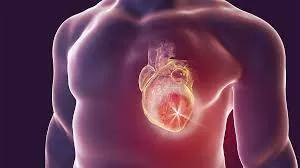
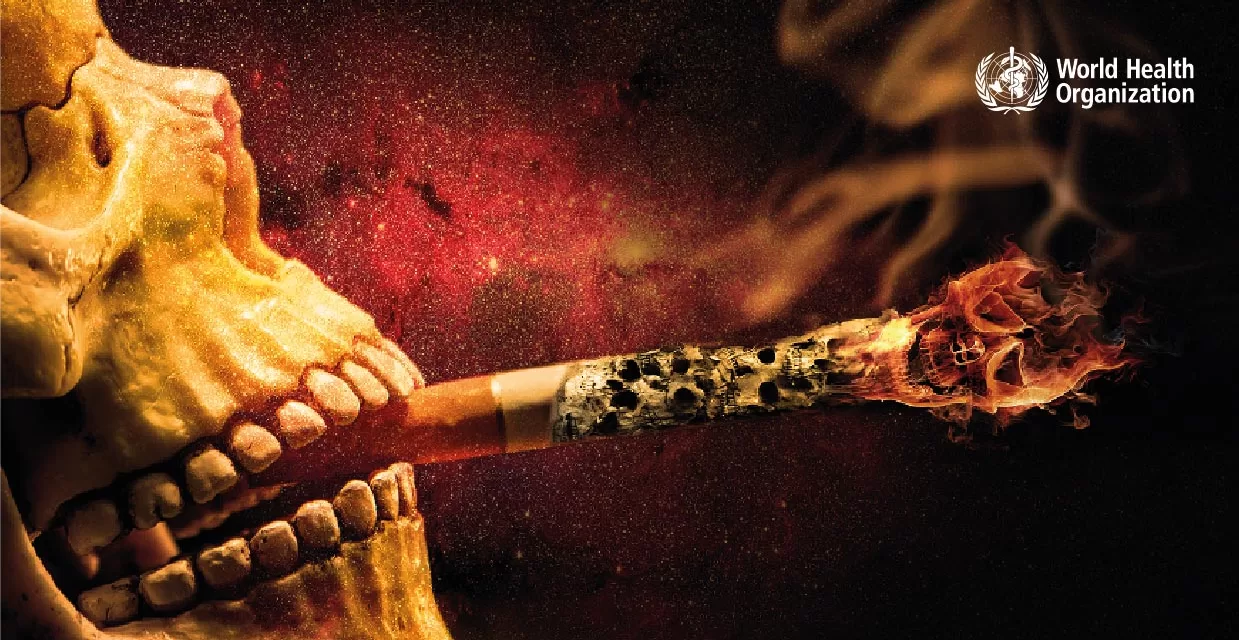
The harmful ingredients commonly found in sin goods—such as nicotine in tobacco, carcinogens in chewing tobacco and pan masala, and excess sugars in aerated drinks—are strongly linked with a range of chronic health conditions. For example, tobacco use is the leading cause of lung cancer and chronic respiratory diseases, while sugary beverage consumption is a major contributor to obesity and type 2 diabetes. By disincentivizing consumption through taxation, the government expects lower prevalence of these conditions and subsequent easing of healthcare burdens.
Expert Perspectives
Dr. Aarti Verma, a public health specialist not involved in the policy formulation, said, “Increasing taxes on products with well-established health risks is a cornerstone of effective public health policy. It reduces demand, encourages healthier choices, and generates revenue that can be reinvested into disease prevention and healthcare infrastructure.” However, she also cautioned that “tax policy must be integrated with comprehensive public health strategies including behavior change campaigns and access to cessation services for tobacco users” [interview].
Dr. Sanjay Khosla, an endocrinologist, added, “The new GST framework’s distinction of sin goods from essential medicines and health-promoting products is vital. Lower tax rates on medicines and medical devices combined with higher rates on unhealthy items align well with India’s larger goals of reducing NCD burden and improving health equity” [interview].
Policy Implications and Public Health Impact
The 40% sin goods tax is expected to raise prices significantly, thereby discouraging purchase and consumption, especially among price-sensitive groups like youth and economically disadvantaged populations. The tax revenue generated is often earmarked to fund health promotion programs, screening, and preventive care, increasing the overall public health benefit.
This policy aligns with global best practices where sin taxes have been used successfully to change consumption patterns. For instance, countries that implemented high tobacco taxes generally saw sustained decreases in smoking rates. Similarly, taxing sugary drinks has been linked to reduced consumption and improved metabolic health markers in populations.
Potential Limitations and Counterarguments
While the tax reform is a positive step, some experts note limitations. The effectiveness of sin taxes depends on the elasticity of demand; some consumers addicted to tobacco or sugary drinks may reduce consumption less than anticipated. There are also concerns about potential illicit trade or black market sales rising if prices increase sharply. Additionally, critics argue that sin taxes can be regressive, disproportionately affecting lower-income groups who spend higher income shares on such goods.
The phased transition of tobacco products at the current GST rate until government debt repayments are cleared signals a pragmatic balancing of fiscal commitments with health objectives. Continuous monitoring and complementary interventions such as educating consumers, improving access to cessation resources, and regulatory controls are essential for sustained impact.
Practical Takeaways for Readers
For individuals, this taxation policy serves as a reminder of the health risks associated with tobacco and sugary drinks and reinforces the benefits of reducing or quitting these products. Health-conscious consumers can anticipate modestly higher prices for sin goods and may find newly accessible health services supported by tax revenues.
Healthcare professionals should note these regulatory changes as an opportunity to intensify preventive counseling and screenings for NCDs in routine practice. Public awareness campaigns communicating the rationale behind sin goods taxes can help increase public acceptance and behavioral change.
Comprehensive Approach for a Healthier India
The introduction of a 40% tax on sin goods is a vital component of a multi-pronged strategy targeting NCD prevention and health promotion. By restructuring the GST system to favor essential medicines and preventive health services and simultaneously discouraging harmful consumption, the government is advancing evidence-based public health reforms.
Ongoing evaluation of tax impacts, public education, enhanced health services access, and tackling challenges such as illicit trade will determine the ultimate success of this policy in lowering India’s growing NCD burden and enhancing population health.
Medical Disclaimer: This article is for informational purposes only and should not be considered medical advice. Always consult with qualified healthcare professionals before making any health-related decisions or changes to your treatment plan. The information presented here is based on current research and expert opinions, which may evolve as new evidence emerges.
References
-
Economic Times HealthWorld. “40% tax on sin goods brings big win for public health: Nadda,” September 2025.https://health.economictimes.indiatimes.com/news/policy/union-health-minister-jp-nadda-reports-major-victory-for-public-health-with-40-tax-on-sin-goods/123705750