 0
0
 0
0
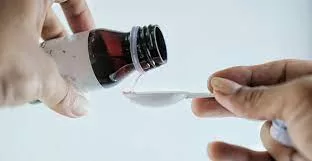
India’s drug regulator has recalled three cough syrup brands—Coldrif, Respifresh TR, and ReLife—after clusters of child deaths in Madhya Pradesh and Rajasthan were linked to their contamination with diethylene glycol, a toxic industrial chemical. None of these products were exported, but the World Health Organization (WHO) remains concerned about regulatory gaps and the risk of informal exports to other countries.
What Happened: The Immediate Crisis
This recall follows the deaths of at least 20 children, most under the age of five, who took contaminated cough syrups and developed acute kidney failure and symptoms consistent with encephalitis. The fatalities primarily occurred in Chhindwara, Madhya Pradesh, though clusters of illness were also reported in Rajasthan. The Central Drugs Standard Control Organisation (CDSCO) quickly moved to recall the affected products and order a halt to the production of the implicated brands, manufactured by separate firms in Tamil Nadu and Gujarat.
Contaminants Found
Laboratory analysis detected extremely high levels of diethylene glycol (DEG) in all three syrups: 48.6% in Coldrif, 1.342% in Respifresh TR, and 0.616% in ReLife—far above the 0.1% safety threshold set by Indian and international regulators.
Regulatory Response and Manufacturing Lapses
WHO contacted Indian authorities to clarify whether these products had entered foreign markets, pointing to previous global incidents where Indian-made syrups contributed to child deaths overseas. The Indian regulator confirmed none were exported but admitted there were lapses in raw material testing and facility oversight, with some manufacturers failing to test each batch of ingredients as legally required.
Drug inspectors have since been dispatched nationwide, auditing cough syrup makers and focusing on companies with a history of quality issues. Specific advisories were issued to heighten surveillance, enforce stringent batch testing, and require warning labels against pediatric use for certain formulations.
Background: A Pattern of Contamination
This episode echoes tragic incidents in 2022 and 2023, when Indian-manufactured syrups were linked to at least 141 deaths of children in The Gambia, Uzbekistan, and Cameroon after contamination with industrial toxins like DEG and ethylene glycol. In response, exports were subjected to additional laboratory screening; however, serious gaps persist in quality control for domestically marketed products.
Diethylene glycol, commonly used in antifreeze, is highly toxic even at low doses, targeting the kidneys and central nervous system. Most cases of mass poisoning share the mechanism of acute kidney injury progressing to multi-organ failure if not rapidly addressed.
Expert Perspectives
Dr. Sumit Ray, a critical care specialist at Delhi’s Holy Family Hospital (not involved in the incident), notes: “This tragedy underlines the importance of batch-wise analytical testing and the necessity for strict traceability of pharmaceutical ingredients. Lapses in these areas have repeatedly proven fatal.”
Dr. Soumya Swaminathan, former Chief Scientist at the WHO, said in a recent statement: “When the same industrial solvents are detected across multiple, geographically separated incidents, it typically suggests systemic failures rather than isolated accidents.”
Public Health Implications
India is the world’s third-largest pharmaceutical producer and a major global supplier of generics. While recent reforms have tightened controls on exported syrups, domestic oversight clearly needs reinforcement. The government has directed all states to submit updated lists of syrup manufacturers, and a nationwide safety audit is underway.
Key Public Health Takeaways
-
Parents and caregivers should be vigilant about the source and batch of any oral medications, especially for children.
-
Only use syrups prescribed by a qualified medical professional, and report any unusual symptoms such as drowsiness, vomiting, or reduced urination immediately.
-
Healthcare providers are urged to avoid prescribing these recalled products and to remain alert for potential poisoning symptoms.
Limitations and Counterarguments
While officials emphasize that none of the recalled syrups were exported, WHO cautions that informal or unregulated exports may escape official scrutiny. The precise supply chain source of the DEG contamination is still under investigation, as is the possibility of counterfeit inputs. Critics also point to loopholes in decentralized regulatory enforcement, with state-level agencies sometimes failing to communicate adequately with central authorities, as happened in Tamil Nadu.
What Is Being Done Next
A formal investigation into the origin of the tainted ingredients is ongoing, supported by WHO and domestic laboratories. Manufacturing licenses for the implicated firms have been suspended, and law enforcement agencies are pursuing criminal negligence charges where warranted.
Practical Advice for the Public
-
Check any syrup’s batch number against government recall advisories.
-
Store medications safely and keep a record of brands used.
-
Report any suspected adverse effects to health authorities.
Medical Disclaimer: This article is for informational purposes only and should not be considered medical advice. Always consult with qualified healthcare professionals before making any health-related decisions or changes to your treatment plan. The information presented here is based on current research and expert opinions, which may evolve as new evidence emerges.
References